Have you ever heard of hearing loss? It’s when you can’t hear things like other people can. Hearing loss can happen to lots of different people, and there are different reasons why it happens. It can be because of things you are born with, things that happen when you are growing inside your mom, or things that happen to your ears as you get older. Hearing loss can make it hard to learn and understand language, which is how we talk to each other. But don’t worry, there are ways to help people with hearing loss! Doctors and other special helpers can do tests to find out how well someone can hear, and then they can give them special devices like hearing aids to make sounds louder. People who take care of people with hearing loss work together as a team to make sure they get the help they need.

This image is property of pixabay.com.
Types of Hearing Loss
Hearing loss is a common condition that can be classified into three main types depending on its nature and location: conductive hearing loss, sensorineural hearing loss, and mixed hearing loss.
Conductive Hearing Loss
Conductive hearing loss occurs when there is a problem in the outer or middle ear that prevents sound from effectively reaching the inner ear. This type of hearing loss can be caused by factors such as earwax buildup, fluid in the middle ear, ear infections, or damage to the small bones in the middle ear. People with conductive hearing loss may experience a decrease in sound volume and sometimes muffled or distorted sounds.
Sensorineural Hearing Loss
Sensorineural hearing loss is caused by damage to the inner ear or the auditory nerve pathway that transmits sound signals to the brain. It can be caused by genetic factors, exposure to loud noise, certain medications, infections, or aging. People with sensorineural hearing loss may have difficulty understanding speech and hearing soft sounds. This type of hearing loss is usually permanent, but it can be managed with assistive devices such as hearing aids or cochlear implants.
Mixed Hearing Loss
Mixed hearing loss is a combination of both conductive and sensorineural hearing loss. This means that there is damage or dysfunction in both the outer or middle ear and the inner ear or auditory nerve. People with mixed hearing loss may experience a variety of symptoms including reduced sound volume, difficulty understanding speech, and sometimes a distorted or unclear sound quality.
Etiologies of Hearing Loss
There are various factors that can contribute to the development of hearing loss. Understanding these etiologies can help identify potential causes and guide appropriate management strategies.
Genetic Causes
Some types of hearing loss are inherited and can be present at birth or develop later in life. Genetic factors may contribute to the development of sensorineural hearing loss, and certain genetic syndromes may be associated with hearing loss as one of their symptoms.
Prenatal and Perinatal Factors
Hearing loss can also be caused by factors that occur during pregnancy or childbirth. Maternal infections, exposure to certain medications or toxins during pregnancy, premature birth, low birth weight, and complications during delivery can all increase the risk of hearing loss in infants.
Age-Related Degeneration
As we age, the cells in our inner ear can become damaged or less efficient, leading to age-related hearing loss, also known as presbycusis. This type of hearing loss typically affects both ears and gradually worsens over time. It is often characterized by difficulty hearing high-frequency sounds and understanding speech in noisy environments.
Otosclerosis
Otosclerosis is a condition that affects the bones in the middle ear, specifically the stapes bone. It often results in conductive hearing loss as the movement of the stapes is restricted, preventing sound from being effectively transmitted to the inner ear.
Cholesteatomas
Cholesteatomas are abnormal skin growths that can develop in the middle ear or mastoid bone behind the ear. These growths can cause conductive hearing loss by blocking the transmission of sound through the ear structures. Surgical removal is usually necessary to treat cholesteatomas.
Sudden Sensorineural Hearing Loss
Sudden sensorineural hearing loss is a rapid loss of hearing that can occur within a few hours or over a period of a few days. The exact cause is often unknown, but it can be associated with viral infections, autoimmune disorders, or vascular problems that affect the blood flow to the inner ear.
Impact of Hearing Loss on Language Development
Hearing loss can have a significant impact on a child’s language development, as hearing plays a crucial role in the acquisition and understanding of spoken language.
Delayed Language Acquisition
Children with hearing loss may experience delays in acquiring language skills, both in terms of understanding and producing spoken language. They may struggle to hear and process the full range of sounds in their environment, which can affect their ability to develop vocabulary and grammar.
Speech and Articulation Difficulties
Hearing loss can also affect a child’s ability to produce clear and intelligible speech. When they cannot hear certain sounds accurately, they may have difficulty articulating them correctly. This can result in speech that is unclear or difficult to understand by others.
Limited Vocabulary
Children with hearing loss may have a smaller vocabulary compared to their hearing peers. They may miss out on incidental learning opportunities when they cannot hear or understand conversations, leading to a more limited range of words and concepts in their daily interactions.
Reading and Writing Challenges
Hearing loss can also impact reading and writing skills in children. The ability to hear and distinguish different sounds is essential for phonological awareness, which is the foundation for reading and spelling. Children with hearing loss may struggle with phonics, word recognition, and comprehension.
Effects of Hearing Loss on Quality of Life
Hearing loss can significantly impact an individual’s overall quality of life, affecting their social, emotional, academic, and occupational well-being.
Social Isolation
People with hearing loss may experience social isolation and withdraw from social activities due to difficulties in communication. They may struggle to participate in conversations, enjoy music or movies, or engage in social events, leading to feelings of loneliness and frustration.
Emotional Impact
Hearing loss can have emotional consequences such as frustration, anxiety, and depression. It can be emotionally challenging to navigate a world where communication is compromised, and individuals may feel misunderstood or excluded.
Academic and Occupational Implications
Children with untreated hearing loss may face academic challenges, as they may struggle to follow classroom instructions, understand lessons, and communicate with their teachers and peers. In the workplace, hearing loss can affect job performance, communication with colleagues and clients, and overall job satisfaction.
Relationship and Communication Issues
Hearing loss can strain relationships and communication with family members, friends, and romantic partners. Misunderstandings and frustrations can arise when communication is unclear, leading to strained interactions and potential breakdowns in relationships.

This image is property of pixabay.com.
Evaluation for Hearing Loss
To determine the presence and extent of hearing loss, an evaluation process is typically conducted. This usually involves both a comprehensive history and physical examination, as well as various audiometric tests depending on the age of the individual.
Comprehensive History
A comprehensive history involves gathering information about the individual’s medical and family history, as well as any specific concerns or symptoms related to hearing loss. This helps identify potential risk factors and guide further evaluation.
Physical Examination
During a physical examination, the ears are examined to assess the health of the external and middle ear structures. This may involve visual inspection with an otoscope and additional tests such as tympanometry to evaluate middle ear function.
Audiometric Tests: Newborn Hearing Screening
Newborn hearing screening is recommended shortly after birth to identify infants who may have hearing loss. This screening typically involves measuring the baby’s response to sound using otoacoustic emissions (OAE) testing or auditory brainstem response (ABR) testing.
Audiological Evaluation: Pure-Tone Audiometry
Pure-tone audiometry is a common test used to determine the individual’s hearing thresholds for different frequencies and intensities. The person wears headphones and responds to tones by indicating when they can hear them. This test helps determine the type and degree of hearing loss.
Speech Audiometry
Speech audiometry assesses the individual’s ability to hear and understand speech. This may involve tasks such as repeating words or sentences at different volume levels or identifying words in background noise. Speech audiometry provides information about how well an individual can understand speech in real-life situations.
Tympanometry
Tympanometry is a test that assesses the compliance and mobility of the eardrum and middle ear structures. It helps determine if there is any fluid or blockage in the middle ear, which can impact hearing.
Otoacoustic Emissions (OAE) Testing
OAE testing measures sound waves produced by the inner ear in response to external sounds. It can help determine the level of cochlear function and can be particularly useful in evaluating hearing in infants and young children.
Auditory Brainstem Response (ABR) Test
ABR testing measures the electrical activity of the auditory nerve and brainstem in response to sound. It can provide information about the integrity of the auditory pathway and help identify the location and severity of any hearing loss.
Management of Hearing Loss
The management of hearing loss depends on the underlying cause and the specific needs of the individual. Various treatment options and interventions can help improve auditory function and quality of life.
Addressing Underlying Causes
If hearing loss is caused by an underlying condition or factor that can be treated, addressing that cause may help improve or restore hearing. This can involve medical treatments such as medications for infections or surgical intervention to remove tumors or growths.
Removal of Foreign Bodies
In cases where hearing loss is caused by the presence of a foreign body in the ear canal, such as earwax buildup or objects inserted into the ear, removing the foreign body can often restore normal hearing.
Treatment of Otitis Media
Otitis media, or middle ear inflammation and infection, is a common cause of conductive hearing loss, especially in children. Treatment may involve medication to control the infection and inflammation, and in some cases, surgical intervention may be necessary.
Hearing Aid Fitting and Programming
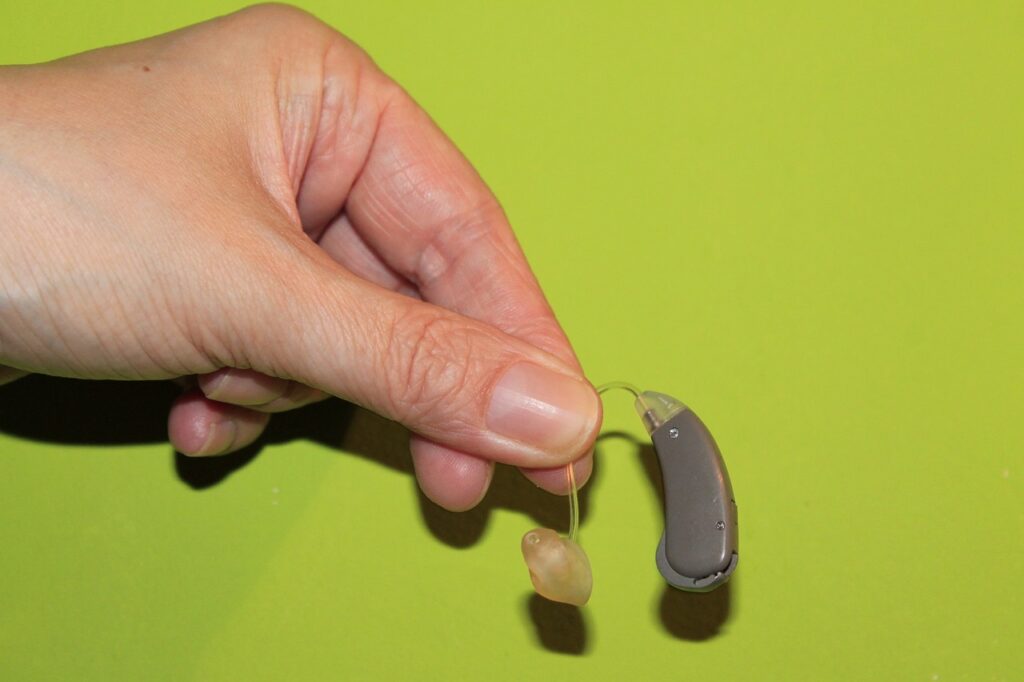
Hearing aids are commonly used to manage hearing loss and improve communication. These devices amplify sound and deliver it to the ear, compensating for the individual’s hearing loss. The fitting and programming of hearing aids are customized to the individual’s specific hearing needs and preferences.
Assistive Listening Devices
Assistive listening devices are devices that can be used in conjunction with or instead of hearing aids to enhance communication. These include devices like FM systems, which transmit sound directly to the individual’s hearing aids or cochlear implants, and captioning or real-time transcription systems for better understanding in different listening environments.
Amplification Options
In cases of severe or profound hearing loss, where hearing aids may not provide sufficient benefit, other amplification options may be considered. These include bone conduction devices, which transmit sound through vibrations in the bones of the skull, and middle ear implants, which bypass the damaged middle ear and directly stimulate the inner ear.
Cochlear Implantation
Cochlear implants are electronic devices that are surgically implanted into the inner ear. They bypass the damaged hair cells and directly stimulate the auditory nerve, providing a sense of sound to individuals with severe to profound sensorineural hearing loss who do not benefit from hearing aids.
Auditory-Verbal Therapy
Auditory-verbal therapy is a specialized form of speech therapy that focuses on developing the auditory skills necessary for understanding and producing spoken language. It aims to maximize the individual’s use of hearing and develop effective communication strategies.
This image is property of pixabay.com.
Role of the Interprofessional Team
Managing hearing loss often requires the expertise and collaboration of various healthcare professionals. The interprofessional team involved in the care of individuals with hearing loss may include:
General Practitioners
General practitioners or family doctors play a crucial role in the identification, referral, and ongoing management of hearing loss. They can conduct initial assessments, provide counseling, and coordinate care with other specialists.
Otolaryngologists
Otolaryngologists, commonly known as ENT (ear, nose, and throat) specialists, are medical doctors who specialize in the diagnosis and treatment of ear, nose, and throat disorders. They may be involved in the evaluation and management of hearing loss related to structural abnormalities, infections, or other medical conditions.
Speech Therapists
Speech therapists, also known as speech-language pathologists, are healthcare professionals who evaluate and treat communication disorders, including those related to hearing loss. They help individuals improve their speech and language skills, enhance communication strategies, and develop auditory processing abilities.
Audiologists
Audiologists are professionals trained in the evaluation, diagnosis, and management of hearing and balance disorders. They conduct hearing tests, provide counseling, and recommend appropriate amplification or intervention options based on the individual’s hearing needs.
Social Workers
Social workers play a vital role in supporting individuals and families affected by hearing loss. They can provide emotional support, help navigate the healthcare system, connect individuals with appropriate resources and support networks, and address any psychosocial or financial concerns that may arise.
Importance of Early Intervention
Early intervention is crucial in the management of hearing loss to minimize its impact on language development, social interactions, and overall quality of life.
Screening Programs
Universal newborn hearing screening programs have been implemented in many countries to identify hearing loss in infants shortly after birth. These programs help ensure early detection and early intervention if necessary, allowing for prompt support and intervention services.
Early Diagnosis and Treatment
Prompt diagnosis of hearing loss, followed by appropriate intervention and treatment, can enhance the child’s language development and overall communication skills. The earlier hearing loss is identified and managed, the better the outcomes in terms of language acquisition and educational success.
Early Access to Amplification and Intervention Services
Early access to appropriate amplification devices, such as hearing aids or cochlear implants, and intervention services, such as auditory-verbal therapy, can help children with hearing loss develop age-appropriate speech and language skills, improve their educational outcomes, and participate fully in social and academic activities.
Supportive Family and Educational Environment
Creating a supportive and inclusive family and educational environment is crucial for children with hearing loss. Providing access to communication support, encouraging the use of hearing aids or cochlear implants, and fostering an understanding and accepting atmosphere can positively impact the child’s overall well-being and academic success.

Educational and Communication Strategies
Children with hearing loss may require specific educational and communication strategies to support their learning and ensure their success in school.
Individualized Education Plans (IEPs)
Individualized Education Plans (IEPs) are tailored educational plans designed to meet the unique needs of students with disabilities, including hearing loss. IEPs outline specific goals, accommodations, and modifications to support the child’s learning and academic progress.
Speech Therapy and Language Intervention
Speech therapy and language intervention are essential components of the educational plan for children with hearing loss. These services help children improve their speech production, language comprehension, expressive language skills, and overall communication abilities.
Use of Assistive Technology
The use of assistive technology can enhance communication and learning for children with hearing loss. This may include the use of hearing aids or cochlear implants, augmentative and alternative communication (AAC) devices, captioning systems, and FM systems for improved sound amplification.
Educational Accommodations and Modifications
In the classroom, students with hearing loss may benefit from specific accommodations and modifications to ensure equal access to education. This may include preferential seating, clear communication techniques, visual aids, captioning, and additional support from teachers or sign language interpreters.
Family Counseling and Training
Providing counseling and training to families of children with hearing loss is crucial for their understanding and effective support of the child’s needs. This may involve educating families about hearing loss, providing resources for communication strategies at home, and addressing any concerns or challenges that may arise.
Research and Advancements in Hearing Loss
Ongoing research and advancements in the field of hearing loss aim to further our understanding of its causes, improve treatment options, and enhance the overall well-being of individuals with hearing loss.
Genetic Studies
Genetic studies play a significant role in understanding the genetic basis of hearing loss and identifying specific genetic factors associated with different types of hearing loss. This research can lead to advances in genetic testing, early detection, and personalized treatment options.
Technological Innovations
Advancements in hearing aid technology, cochlear implants, and assistive listening devices continue to improve the auditory experience and communication abilities of individuals with hearing loss. These innovations aim to provide clearer sound quality, better noise reduction, and increased connectivity options.
Early Detection and Intervention Initiatives
Efforts are underway to enhance early detection and intervention programs for hearing loss. This includes improving screening protocols, increasing awareness among healthcare providers and parents, and ensuring timely access to appropriate intervention services.
Long-Term Outcomes and Follow-up Studies
Long-term outcome studies are critical in measuring the effectiveness of various interventions and treatment options for hearing loss. These studies help evaluate the impact on language development, educational achievement, employment outcomes, and overall quality of life.
As understanding and awareness of hearing loss continue to grow, so does the knowledge and resources available to support individuals with hearing loss and their families. By recognizing the different types and etiologies of hearing loss, implementing early intervention strategies, and utilizing the expertise of an interprofessional team, individuals with hearing loss can access the necessary support and resources to navigate their hearing journey successfully. Ongoing research and advancements in the field continue to drive further improvements in the prevention, diagnosis, and management of hearing loss, offering hope for a more inclusive and accessible world for all.