
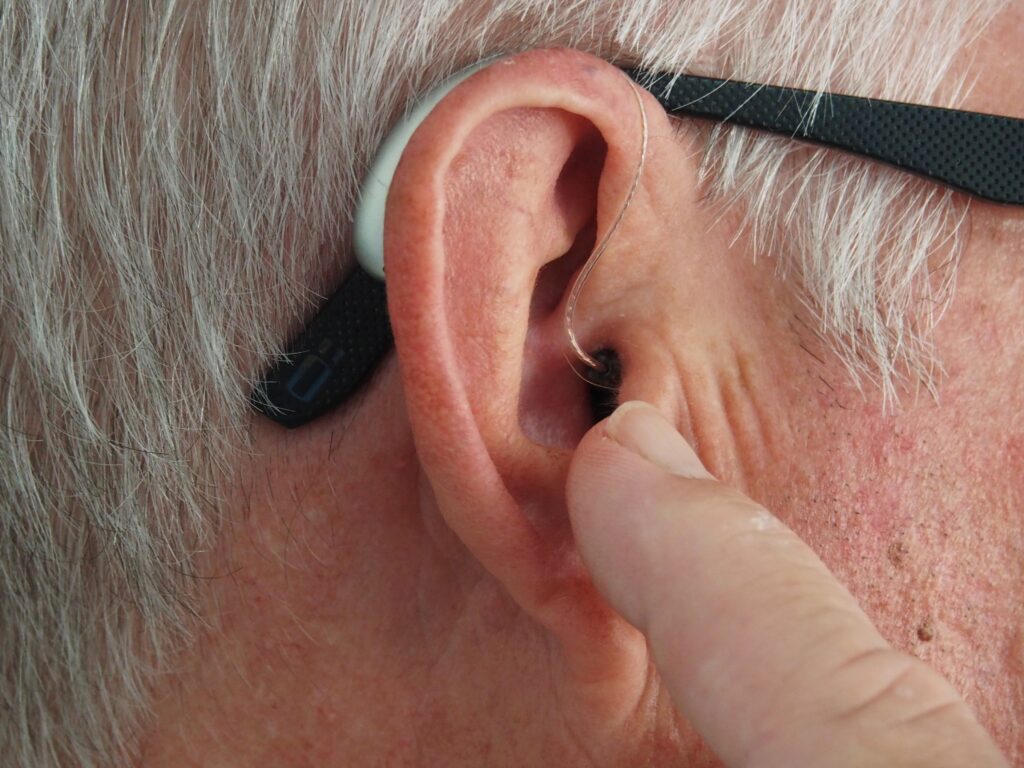
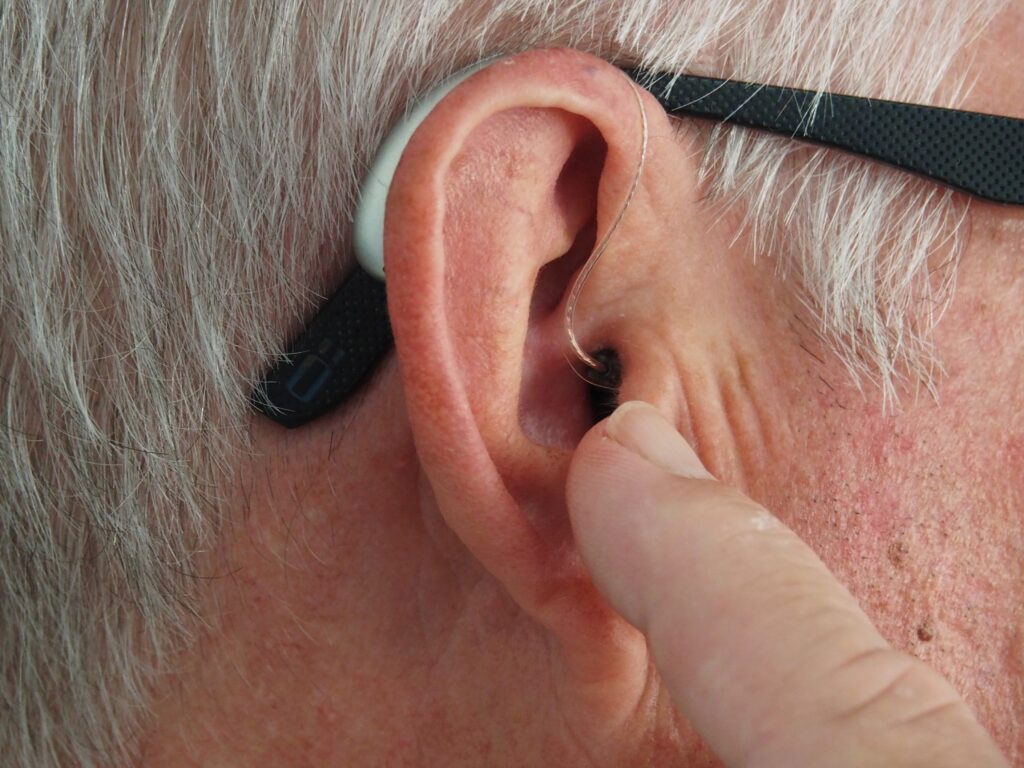
In this informative article, a hearing aid practitioner aims to provide valuable insights into the various classifications of hearing loss. With individuals who are hearing impaired seeking answers and guidance on acquiring assistance, this article proves to be invaluable. By delving into the different categories of hearing loss, readers will gain a better understanding of the unique challenges faced by those with hearing impairments and the potential solutions available to them.
Understanding Different Classifications of Hearing Loss

Introduction to Hearing Loss
Hearing loss is a common condition that affects people of all ages, causing difficulties in perceiving and understanding sounds. It can significantly impact an individual’s quality of life, communication abilities, and overall well-being. There are various classifications of hearing loss, each characterized by different causes and effects. By understanding these classifications, one can gain insights into the specific type of hearing loss they or their loved ones may be experiencing, and seek appropriate treatment and support.
Conductive Hearing Loss
Conductive hearing loss occurs when sound waves are unable to effectively travel from the outer or middle ear to the inner ear. This can result from several factors, including blockages in the ear canal, fluid accumulation behind the eardrum, or abnormalities in the bones of the middle ear. Individuals with conductive hearing loss may experience muffled or faint sounds, difficulty hearing in noisy environments, and ear pain or discomfort. Treatment options for conductive hearing loss often involve medical intervention to address the underlying cause, such as the removal of blockages or the use of hearing aids.
Sensorineural Hearing Loss
Sensorineural hearing loss is the most common type of permanent hearing loss and occurs due to damage or dysfunction within the inner ear or the auditory nerve pathways leading to the brain. This form of hearing loss can be caused by various factors, including aging, exposure to loud noise, genetic conditions, or certain medications. People with sensorineural hearing loss typically have difficulty hearing soft sounds, understanding speech, and discerning pitches. Treatments for sensorineural hearing loss commonly involve the use of hearing aids or cochlear implants, along with communication strategies and assistive devices to enhance auditory function.
Mixed Hearing Loss
Mixed hearing loss is a combination of both conductive and sensorineural hearing losses. Individuals with mixed hearing loss experience the symptoms associated with both types, and the treatment approach often depends on the severity and underlying causes of both components. Intervention may involve a combination of medical interventions, such as surgery or medication, and the use of hearing aids or other assistive devices.
Central Hearing Loss
Central hearing loss refers to a condition in which the central auditory system, which includes the brainstem, auditory pathways, and auditory cortex, is affected. This type of hearing loss is relatively rare and is typically caused by damage or impairment in the neural pathways responsible for processing and interpreting sounds. People with central hearing loss may struggle with speech discrimination, auditory processing difficulties, and challenges in understanding sounds in complex or noisy environments. Treatment may involve a multi-disciplinary approach, including counseling, auditory rehabilitation, and speech therapy.
Auditory Processing Disorders
Auditory processing disorders (APDs) are characterized by difficulties in processing and understanding auditory information, despite having normal hearing sensitivity. This condition occurs when the brain’s ability to interpret sounds is impaired. Individuals with APDs may struggle with speech perception, sound localization, and auditory memory. Treatment for auditory processing disorders often involves a combination of strategies, including environmental modifications, assistive listening devices, and educational accommodations tailored to an individual’s specific needs.

Age-Related Hearing Loss
Age-related hearing loss, also known as presbycusis, is a common type of hearing loss that occurs gradually as a person gets older. It is primarily caused by natural changes in the inner ear, such as the degeneration of hair cells and a decrease in blood flow. Age-related hearing loss often leads to difficulties in understanding speech, hearing high-pitched sounds, and discerning conversations in noisy environments. The use of hearing aids, communication strategies, and regular hearing evaluations are typically recommended for managing age-related hearing loss.
Noise-Induced Hearing Loss
Noise-induced hearing loss (NIHL) is caused by prolonged or repeated exposure to loud noises, such as workplace noise, loud music, or firearms. This type of hearing loss can be either temporary or permanent, depending on the intensity and duration of exposure. Noise-induced hearing loss can affect people of all ages and can lead to difficulties in speech perception, tinnitus (ringing in the ears), and a reduced quality of life. Prevention strategies, such as wearing hearing protection and reducing exposure to loud sounds, are crucial in mitigating the risk of noise-induced hearing loss.
Acquired Hearing Loss
Acquired hearing loss refers to any type of hearing loss that occurs after birth, excluding congenital factors. This category encompasses various causes, including infections, head trauma, certain illnesses, and exposure to ototoxic drugs. Acquired hearing loss can be temporary or permanent, and the treatment and management options depend on the underlying cause and severity of the hearing loss.
Congenital Hearing Loss
Congenital hearing loss is present at birth, and it can occur due to genetic factors, maternal infections during pregnancy, complications during delivery, or exposure to certain medications or toxins. Congenital hearing loss can range from mild to profound and may affect one or both ears. Early intervention, such as the fitting of hearing aids or cochlear implants, auditory-oral or sign language therapy, and family support, is crucial for minimizing the impact of congenital hearing loss on a child’s development and communication abilities.
Conclusion
Understanding the different classifications of hearing loss provides valuable insights into the diverse causes, symptoms, and treatment options available. Whether it is conductive, sensorineural, mixed, central, or age-related hearing loss, each classification requires tailored interventions to optimize communication and quality of life. By seeking appropriate support from hearing care professionals and utilizing available technologies and strategies, individuals with hearing loss can overcome challenges and actively engage in conversations and activities that enrich their lives.