
Did you know that the loss of sensory cells in our inner ears can cause hearing loss? Well, scientists have made an exciting discovery! They have found that by using special drug-like molecules, they can make new hair cells grow in the ears of adult mice. This is important because hair cells help us hear. Normally, the cells in our ears don’t usually become hair cells once they’ve grown up. But these special molecules can reprogram the cells and make them turn into hair cells again. This is a big step towards finding a way to help people who have trouble hearing.
This image is property of www.pnas.org.
Title
Reprogramming by Drug-Like Molecules Leads to Cochlear Hair Cell-Like Cell Regeneration in Adult Mice
Introduction
Imagine a world where people with hearing loss could have their hearing restored. Well, scientists have made an amazing discovery that brings us one step closer to making that dream a reality. They have found that drug-like molecules can be used to reprogram cells in the inner ear of adult mice, leading to the regeneration of cochlear hair cell-like cells. This could potentially help millions of people around the world who suffer from hearing loss.
Background
To understand this exciting breakthrough, we need to first learn about the inner workings of our ears. Our ears are responsible for not only hearing but also maintaining our balance. Inside our ears, we have tiny sensory cells called hair cells. These hair cells are crucial for our ability to hear sounds. Unfortunately, many people experience hearing loss when these hair cells become damaged or die.
Loss of Inner Ear Sensory Cells
When hair cells are lost, either due to aging, exposure to loud noises, or certain medications, our ability to hear is affected. This can be incredibly frustrating and isolating for individuals who are impacted by hearing loss. Until now, there hasn’t been a way to regrow these important hair cells. But thanks to this groundbreaking research, that might change.

This image is property of www.pnas.org.
Terminally Differentiated Supporting Cells
In the inner ear, there are other types of cells called supporting cells. These supporting cells are not able to turn into new hair cells on their own. They are called “terminally differentiated,” which means they have reached a specialized state and are unable to change into other types of cells. This has been a major roadblock in finding a way to regenerate hair cells in the inner ear.
Reprogramming of Supporting Cells
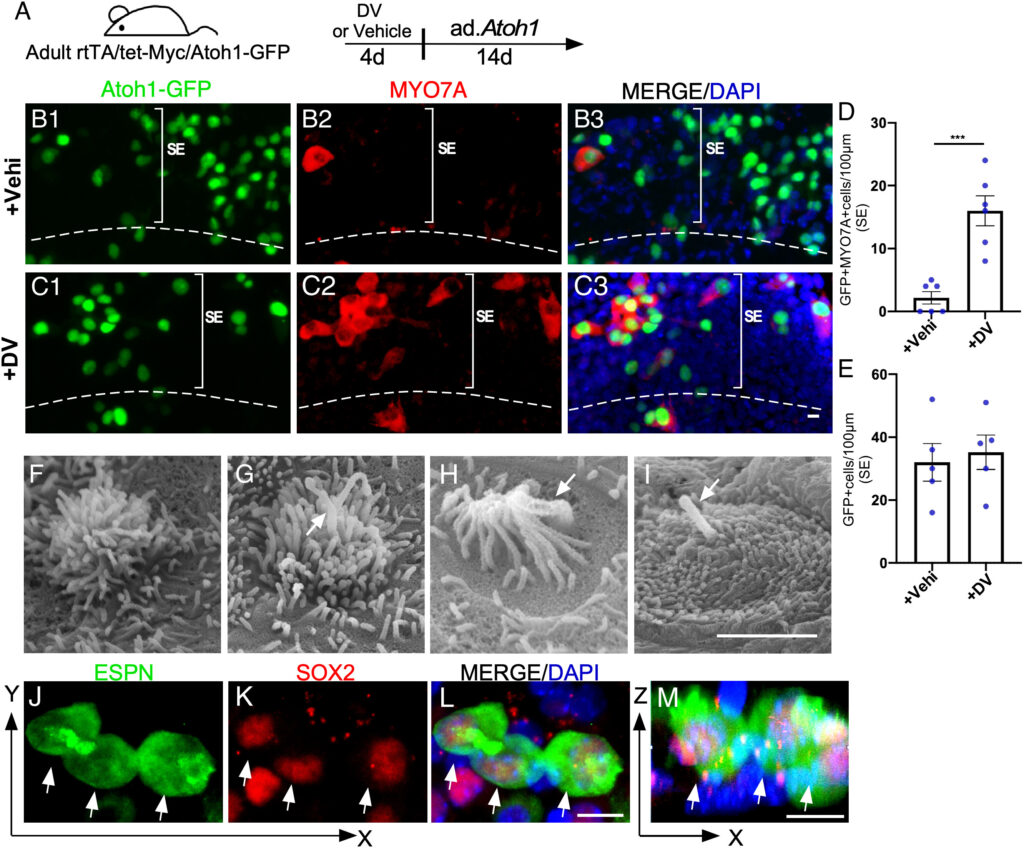
Researchers have been working tirelessly to find a way to reprogram these terminally differentiated supporting cells so that they can turn into hair cells. And they’ve made a significant breakthrough. They have discovered that by using drug-like molecules, they can stimulate these supporting cells to undergo a transformation. These molecules act like special instructions, telling the supporting cells to change into hair cell-like cells.
This image is property of www.pnas.org.
Identification of Drug-like Molecules
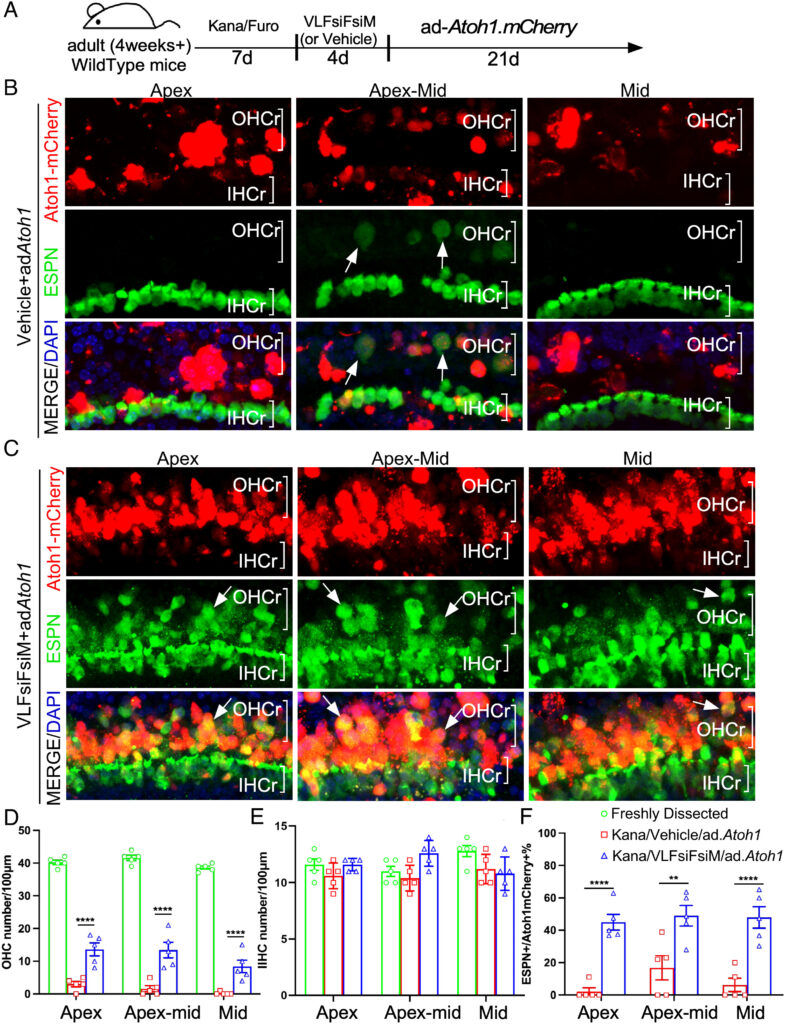
In the study, researchers experimented with different drug-like molecules to see which ones were the most effective at reprogramming the supporting cells. After many trials and observations, they identified a winning combination of molecules. These molecules were able to successfully reprogram the supporting cells in the inner ear of adult mice.
Research Methodology
To conduct their research, the scientists used a mouse model. They carefully administered the drug-like molecules to the inner ear of the adult mice. Over time, they observed the changes happening within the supporting cells. They looked for signs of reprogramming and the development of hair cell-like characteristics.
This image is property of www.pnas.org.
Results
The results of this study were incredible. The drug-like molecules successfully reprogrammed the supporting cells in the inner ear of adult mice, leading to the regeneration of hair cell-like cells. This is a significant achievement because it shows that it is possible to restore hearing by regrowing these essential hair cells.
Significance of the Study
This study is incredibly significant for several reasons. Firstly, it provides hope for the millions of people worldwide who suffer from hearing loss. If this technique can be translated to humans, it could potentially restore their ability to hear. Secondly, it opens up new possibilities for future research and treatment options for hearing loss. Scientists can now focus on fine-tuning this reprogramming technique and exploring its potential applications in humans.
In conclusion, the discovery that drug-like molecules can reprogram supporting cells to regenerate hair cell-like cells in adult mice is a major breakthrough. It brings us one step closer to finding a cure for hearing loss in humans. This research is incredibly promising and gives hope to those who have been affected by hearing loss. With continued progress and advancements in this field, we may soon live in a world where hearing loss is a thing of the past.

This image is property of www.pnas.org.