
When I was a little older than you are now, I found out that our ears are actually very delicate. That’s why I want to share with you some important tips about protecting your ears from losing their ability to hear. In this article, I’ll be talking about ways to help keep your ears safe using some simple changes to how you live your day-to-day life. So, if you love hearing all the beautiful sounds around you, join me as I go through the effective strategies you can follow. We’re going to learn together about “Preventing Hearing Loss: Effective Strategies and Lifestyle Changes”.
Understanding the Nature of Hearing Loss
Hello there! Just like we need to understand how to take good care of our teeth, skin, and other parts of our bodies, we also need to know how to protect our ears. Do you know what hearing loss is? Well, let me explain.
Definition and Causes of Hearing Loss
Hearing loss is when we can’t hear sounds as clearly or as loud as we usually do. Imagine if someone turned down the volume on your favourite cartoon or video game, and you couldn’t turn it back up – that’s what hearing loss can feel like. This can happen for many reasons. Some people are born with it, while others might get it because of illness, injury, or even just getting older. Sometimes, it can also happen if we expose our ears to very loud noises often.
Classifications and Symptoms of Hearing Loss
Now you might be wondering how we can tell if someone has hearing loss. The person might find it hard to hear what others are saying, or they might often ask for things to be repeated. They might also have trouble hearing the television or radio at volumes that other people find comfortable. We categorize hearing loss into three types: conductive (problems with parts of the ear that help sound pass into the inner ear), sensorineural (problem with the inner ear or the pathway to the brain), and mixed hearing loss (a mix of the first two).
Factors Contributing to Hearing Loss
Age-related Hearing Loss
As we grow older, like grandparents, our hearing abilities can naturally decrease. This happens so gradually, just like how hair slowly turns grey. This process is natural and happens with everyone at their own speed.
Exposure to Loud Noise
You know how your ears ring if you’re close to a loud explosion in a video game? That’s your ears’ way of telling you that the noise is too loud. If you expose your ears to loud noises too often, be it firecrackers, loud music, or noise from machines, it can damage your ears over time.
Medications That Damage the Ear
There are some medicines that can harm your ears, especially if taken in large amounts. These are called ototoxic drugs. For example, high dose of aspirin can cause a temporary ringing in your ears, and certain antibiotics can lead to permanent hearing loss.
Illnesses or Infections
Just as you can catch a cold, your ears can also catch an infection. This could be because of a virus or bacteria or due to an injury. Sometimes, certain illnesses like meningitis can also lead to hearing loss in kids.
Genetics
In some families, hearing loss can be passed down from parents to kids, just like the color of our eyes or hair. This means if your parents or grandparents had hearing loss, you might have a chance of having it too.
Importance of Regular Hearing Check-ups
Early Detection of Hearing Issues
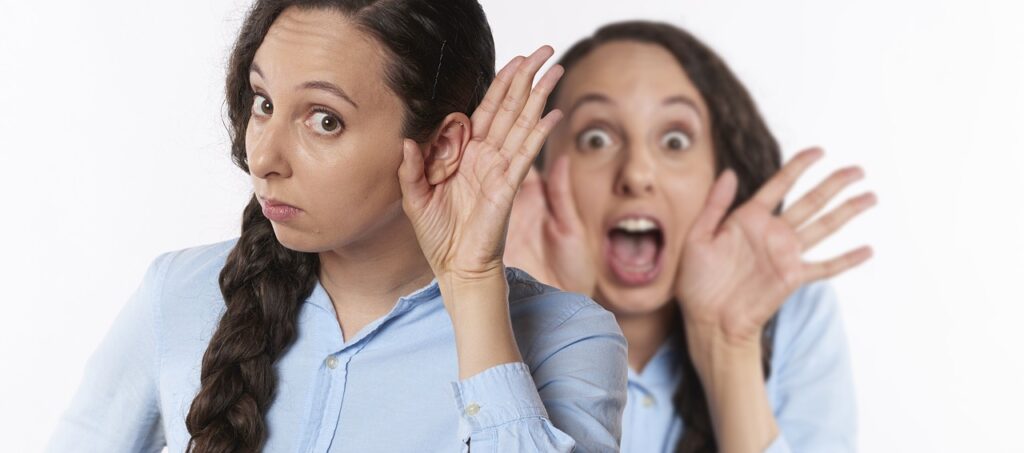
Just like we get a check-up for our teeth at the dentist, we should also get our hearing checked regularly. This can help us find out early if our hearing isn’t as good as it should be, and then we can take action to prevent it from getting worse.
Professional Care Advice
Just like a teacher helps you learn math or language, a hearing healthcare professional can teach you how to take care of your ears and hearing. They can give you advice on what to do and what not to do to keep your hearing sharp.
Keeping Track of Hearing Health
When you keep track of how well you’re hearing, you can notice any small changes and get help if needed. Just like keeping track of your height on the wall, keeping track of your hearing helps to ensure that it’s always at its best.
Appropriate Noise Management
Lowering the Volume
It’s very tempting to raise the volume when your favourite song comes on, but it’s important to keep it at a safe level. This keeps your ears comfortable and prevents any harm.
Using Hearing Protection Devices
Just like you wear a helmet while riding a bike, you can protect your ears using earmuffs or earplugs if you know you’re going to be around loud noises.
Avoiding Recurrent Exposure to Loud Noises
Try to stay away from loud noises as much as you can. Remember too much of a thing is not good.
Healthy Diet for Hearing
Nutrients Essential for Hearing Health
Just like you need to eat your fruits and vegetables for a healthier body, your ears also need nutrients to function well. Foods containing vitamins A, C, and E, and also magnesium, are very good for your ears.
Foods Beneficial for Hearing
Foods like bananas, oranges, green leafy vegetables, nuts, and fish are very beneficial to your hearing health.
Avoiding Foods that Could Damage Hearing
Just like too much ice cream can give you a sore throat, some foods aren’t good for your ears. Foods and drinks with a lot of sugar or caffeine can harm your hearing.
Exercise and Hearing Health
Cardiovascular Exercises for Better Blood Flow
Exercise isn’t only about getting strong muscles. When you stay active, it helps your blood to flow properly inside your body, and this includes your ears too!
Yoga and Meditation for Stress Management
When we are stressed, our whole body, including our ears, can get affected. So doing exercises that keep us calm like Yoga, or sitting quietly and thinking happy thoughts (meditation), can help keep our ears healthy.

Smart Use of Personal Audio Devices
Keeping the Volume at Safe Levels
When you’re using your phone or tablet, keep the volume at a safe level. That means you should still be able to hear someone talking to you, even with your headphones on.
Limiting Listening Time
Just as you have a bed-time, you should have a headphone-time too. Listening non-stop can cause harm to your ears.
Investing in Noise-Cancelling Headphones
There are special headphones that reduce the noises around you, so you can listen at a lower volume. These can be a bit expensive, but they keep your ears safe.
Abstaining from Ototoxic Medications
Understanding Ototoxicity
Ototoxicity is a fancy word that simply means “ear poisoning”. It refers to drugs which can hurt your hearing.
Identifying Common Ototoxic Drugs
Some types of antibiotics and painkillers can be ototoxic. Usually, you only need to worry about this if you are using them often and at high amounts.
Consulting Medical Professionals About Alternatives
If you have to take any of these medicines, its better to ask the doctor if there are other options.
Importance of Quitting Smoking
How Smoking Affects Hearing
Smoking doesn’t just hurt lungs, it can hurt ears too. Smoke reduces the oxygen supply to our ears, which can lead to hearing loss.
Steps to Quitting Smoking
If you or anyone you know smokes, it’s never too late to quit. It might be tough at first, but just like learning to swim or ride a bike, with practice, it can definitely be done.
Benefits of Quitting Smoking on Hearing
When you quit smoking, it’s like giving your ears a huge gift. The changes you’ll see in your hearing will definitely be worth it!
Raising Awareness About Hearing Loss
Educating the Community
Just like you learned about hearing loss today, it’s important that everyone knows about this. By telling your friends and family about what you learned, you help protect their hearing too!
Promoting Healthy Hearing Practices
By following the advice given here and showing others to do the same, you are promoting healthy hearing practices.
Supporting Legislation for Noise Control
There are laws that control how much noise we can make in public places so we don’t disturb others or harm their hearing. It’s important to support and follow these laws.
So, that’s all about it. We’ve now learned lots about our ears and how to keep them healthy. By following these tips, we can keep our hearing sharp and clear for many, many years, just like a superhero with super hearing powers!