
I’m going to share a story with you about little signs our bodies can show us, letting us know something might not be right. Have you ever noticed when sounds seem a bit softer, or when you have to ask your friends to repeat what they just said? This could be your body telling you that your hearing might not be as strong as before. Our story is titled “Signs of Hearing Loss: When to Seek Professional Help” and it will teach us how to spot these little signs and what to do when we notice them.

Understanding Hearing Loss
We often take our sense of hearing for granted. We listen to music, chatter with friends, and hear the chirping of birds every day. But what happens when we start to lose this ability? What we’re talking about here is hearing loss.
Definition of Hearing Loss
In simple words, hearing loss means having trouble hearing sounds as clearly as most other people do, or in some cases, not being able to hear at all. It’s like when you’re underwater and can’t hear clearly, except this happens all the time.
The Anatomy of the Ear
Our ear is made up of three parts: the outer ear, middle ear, and inner ear. The outer ear is what we see and it guides sound into the ear canal. The middle ear has the eardrum which vibrates when sound reaches it. Then comes the inner ear which has tiny hair cells that turn these vibrations into messages that our brain knows is sound.
Types of Hearing Loss
There are three main types of hearing loss: conductive, sensorineural, and mixed. Conductive means something is blocking the path of sound in your ear. Sensorineural is when those tiny hair cells in your inner ear get damaged. Mixed is a combination of both.
Potential Causes of Hearing Loss
There are many things that could cause hearing loss: loud noise, being sick, taking certain medicines, or just getting older. Even being born with certain conditions can lead to hearing loss.
Recognizing the Symptoms of Hearing Loss
Now that we know what hearing loss is, how do we know if someone is experiencing it?
Muffled Speech and Sounds
People with hearing loss might hear sounds as if they’re coming from really far away, or they might sound really soft, like whispers.
Difficulty Understanding Words in Noisy Environments
Moreover, even in a noisy room, their ears can’t pick up what other people are saying. It’s like trying to hear someone talk at a loud party.
Frequent Need to Increase the Volume of TV or Radio
They will often need to turn the TV or radio volume up much higher than others to hear it properly. It’s like trying to hear a quiet song over a fan.
Avoidance of Social Settings
Because of these problems, people with hearing loss might start avoiding places with many people. They might be tired of asking others to repeat what they’re saying.
Exhaustion After Attending Social Events
Even if they do go to social events, they might find it very tiring because they have to try so hard to hear what’s going on.
Types of Hearing Loss Symptoms
Different types of hearing loss come with different symptoms, or signs.
Symptoms of Conductive Hearing Loss
For conductive hearing loss, they might hear better in one ear than the other. They would also find it harder to hear soft sounds rather than loud ones.
Symptoms of Sensorineural Hearing Loss
On the other hand, with sensorineural hearing loss, both soft and loud sounds will be hard to hear. People’s voices might sound muffled or slurred.
Symptoms of Mixed Hearing Loss
Mixed hearing loss means they could have any mix of these symptoms.
Age-Related Hearing Loss
Hearing loss is often something that happens when people get older.
Understanding Presbycusis
Presbycusis is a big, fancy word for age-related hearing loss. Just like old cars might break down, our ears could also get less effective as we age.
Signs of Age-Related Hearing Loss
Some signs of presbycusis are finding it harder to hear high-pitched sounds, like the beep of a microwave, or having trouble hearing in noisy places.
Managing Age-Related Hearing Loss
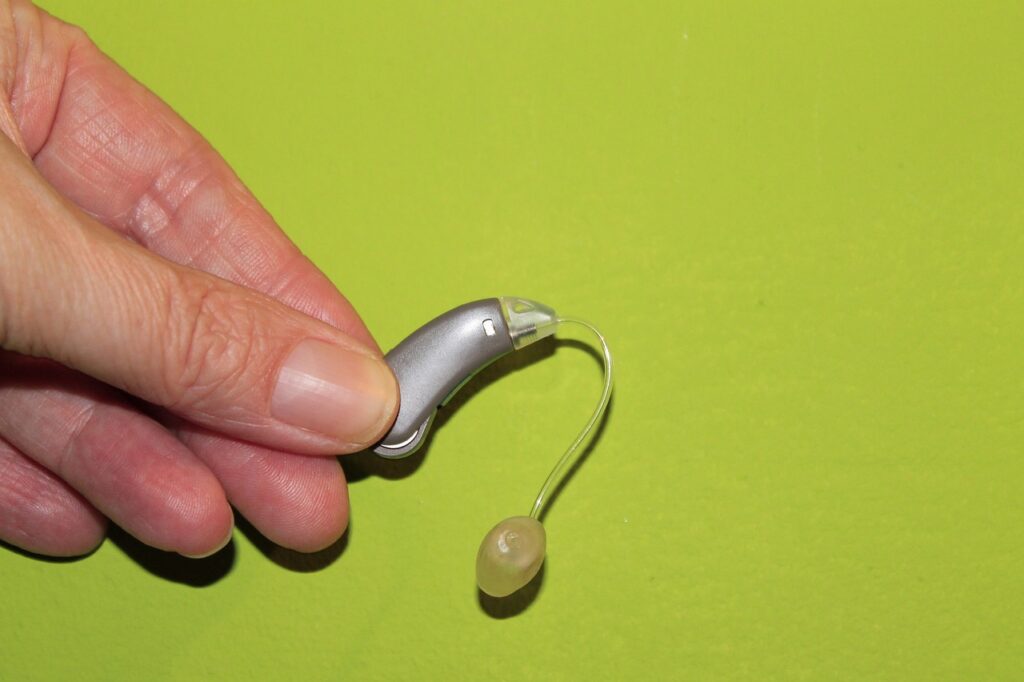
Though we can’t stop presbycusis, we can manage it with things like hearing aids, which make sounds louder for the person wearing them.
Early Warning Signs
There are some signs that could tell us if we’re starting to have hearing loss.
Unusual Fatigue After Listening
One sign could be feeling very tired after listening to people talk for a while, because it takes a lot of focus and effort to hear them.
Increasing Volume on Devices
Another sign is having to constantly turn up the volume on your devices to hear them properly.
Difficulty Hearing High-Pitched Sounds
If you’re finding it difficult to hear high-pitched sounds, such as the beep of your oven timer or children’s voices, it could be an early warning sign of hearing loss.
Constant Ringing in the Ears
A constant ringing noise in the ears, also known as tinnitus, could also be a sign of hearing loss.
Physical Symptoms and Hearing Loss
Certain physical symptoms could also point towards hearing loss.
Impact of Tinnitus on Hearing
Tinnitus, that constant ringing in the ears, doesn’t just signal potential hearing loss. It also makes it harder for people to hear normal sounds over the ringing.
Physical Pain and Hearing Loss
If there’s physical pain in the ears along with hearing difficulties, that’s another sign of potential hearing loss.
Ear Infections and Hearing Impairment
Ear infections could cause temporary hearing loss. If they keep coming back, they could damage the ear and lead to permanent hearing loss.

Hearing Loss in Children
Hearing loss isn’t just something that happens to older people. Even children can experience it.
Noticing Signs in a Child’s Behavior
We might notice them not responding when we call their name, or not being startled by loud noises.
Delayed Speech and Language Development
Children with hearing loss may not learn to speak as quickly as other kids their age, because they can’t hear the words clearly.
Monitoring Hearing in Children with a Family History of Hearing Loss
If someone in your family had hearing loss, it’s best to keep a close eye on any potential signs in the kids, as it might be passed down from generation to generation.
Hearing Tests
To confirm if someone has hearing loss, they would have to take a hearing test.
Understanding the Audiogram
An audiogram is a graph that shows how well someone can hear different sounds. Think of it like a report card for your ears!
Types of Hearing Tests
There are different types of hearing tests, like pure tone tests which tests how well you hear different pitches and volumes, or speech tests which check how well you can hear and understand words.
Interpreting Test Results
These tests help doctors understand what kind of hearing loss someone has, and how severe it is, so they can suggest the best ways to manage it.
Impact of Neglected Hearing Loss
If a person ignores their hearing loss and doesn’t do anything about it, it can lead to more problems.
Social Isolation
They might start to avoid being around people because they can’t hear what’s going on, leading to them feeling lonely.
Mental Health Issues
This loneliness could make them sad, leading to depression or other mental health problems.
Cognitive Decline
Ignoring hearing loss could also make it harder for their brain to remember things or learn new ones.
When to Seek Professional Help
Sometimes, hearing loss can get suddenly worse, or come with severe symptoms.
Sudden or Rapid Hearing Loss
A sudden loss of hearing or a quick, steady decrease in hearing capabilities are clear signs that professional help is needed.
Continuous Ringing in Ears
If that ringing in your ears just won’t stop, it’s time to go see a doctor.
Persistent Ear Pain
Ear pain that doesn’t go away could also be a sign of a serious issue that needs medical attention.
Implications of Ignoring Symptoms
Ignoring the early warning signs of hearing loss might make the problem worse in the long run. It’s like pretending a broken toy isn’t broken. It won’t get better on its own — we need to fix it to make it work properly again!
In conclusion, hearing loss is a serious condition, but with early detection and the right help, it can be managed effectively. So, if you or someone you know is experiencing any of the symptoms mentioned above, don’t ignore them. Seek professional help, because everyone deserves to listen to the beautiful sounds of the world in clear, vibrant detail.