
Hello young friends! My name’s Johnny and today I’m going to tell you a very interesting story about growing older and how it can change the way we hear sounds. In the story called “The Connection Between Aging and Hearing Loss: What You Need to Know”, I will share how as people grow older, like your grandma and grandpa, they sometimes find it hard to hear things well. We’re going to learn why that happens, how it can affect their lives, and what can be done about it. So sit tight, listen carefully, and let’s start our adventure together!
Understanding Hearing Loss
Hearing loss is something that happens when I can’t hear as well as I could before. Sometimes it can happen all of a sudden, or it can happen slowly over a long time. Just like when we lose a tooth, useful bits inside our ears can fall or break down and it becomes hard for us to hear properly.
Defining Hearing Loss
Hearing loss is when our ears are not able to catch all the sounds around us. It is like trying to listen to a song on the radio, but the radio is not working properly. We might not be able to hear the song clearly, or miss parts of it.
Main Causes of Hearing Loss
There are a number of reasons that can make our ears stop working properly. Sometimes it’s because of loud noises, like fireworks or loud music. Sometimes it’s because we get sick, or because of things we cannot control, like getting older.
Symptoms and Signs of Hearing Loss
When someone has hearing loss, they might feel like everyone is whispering or making sounds that are too soft for them to hear. They might ask people to repeat what they have said. It may also be hard to tell where sounds are coming from or hear well when there is a lot of noise around.
The Aging Process and its Impact on Hearing
As we grow older, like a toy that has been played with lots and lots of times, our body parts start to run slower and sometimes, they stop working as well as they used to. This also happens to our ears, making it hard to hear.
Rate of Hearing Loss in Older Adults
A great number of older people find it hard to hear. Many of my grandma and grandpa’s friends also have the same problem. In fact, more than half of the people who are over 75 years old find it really hard to hear.
The Biological Changes of Aging that Affect Hearing
As we get older, like how leaves on a tree change color and fall off, small parts inside our ears can break down. This makes it tougher for the sounds to pass into our ears and helps our brains figure out what the sounds mean.
How Aging Complicates Existing Hearing Conditions
Just like how it can be harder to read if we have a blurry spot on our glasses, getting older can make problems with our ears more difficult. If we are already having difficulty hearing, it might get worse as time passes.
Types of Hearing Loss Common in the Elderly
There are three main types of hearing loss that grandmas and grandpas often have. These are called sensorineural hearing loss, conductive hearing loss and mixed hearing loss.
Sensorineural Hearing Loss
Sensorineural hearing loss happens when the little things that help send sounds to our brains are broken or wear out. It’s like a toy car that can’t move because its wheels are not working properly.
Conductive Hearing Loss
Conductive hearing loss happens when something blocks sounds from getting into our ears. It’s like trying to listen to music when there are thick, fluffy earmuffs covering your ears.
Mixed Hearing Loss
Mixed hearing loss is a problem that combines both of the above. It’s like having a toy car with broken wheels and being stuck in mud at the same time. It makes it really hard to hear.
Common Conditions that Cause Hearing Loss in Older Adults
There are some special names for the health problems that make it hard for older people to hear. These include Presbycusis, Tinnitus, Otosclerosis, and Meniere’s disease.
Presbycusis
Presbycusis is something that happens to a lot of older people. It makes sounds seem softer and less clear. It is almost like trying to watch a favourite cartoon but the characters are speaking in a very soft voice and we can’t understand them.
Tinnitus
Tinnitus is a problem that makes people hear a noise that is not really there. It is like listening to a ringing phone that doesn’t stop, even when there is no phone around.
Otosclerosis
Otosclerosis is when a little bone in our ear grows the wrong way. It makes it hard for sounds to be sent to our brains. It is like trying to push a round peg through a square hole.
Meniere’s disease
Meniere’s disease is when fluid in our ears build up too much. It can cause us to feel dizzy, and make our ears ring or our hearing go in and out.
The Psychological Impact of Hearing Loss Among the Elderly
When people can’t hear easily, it can make them feel very bad.
Isolation and Loneliness
Not being able to hear well can make some people avoid talking to others, making them feel alone. It’s like being at a party, but not being able to join in the fun because we don’t understand what is happening.
Depression
Sometimes, people who can’t hear well feel so sad and no hopeful thoughts come into their minds. They stop enjoying all the things they used to love. It’s like feeling like every day is a gloomy, rainy day with no sunshine.
Cognitive Decline and Dementia
Still, other times, people who cannot hear well start to forget things and can become really confused. They might forget their names, where they live or who their friends are. It’s like trying to read a book but the words keep moving around and make no sense.
The Effect of Hearing Loss on Communication
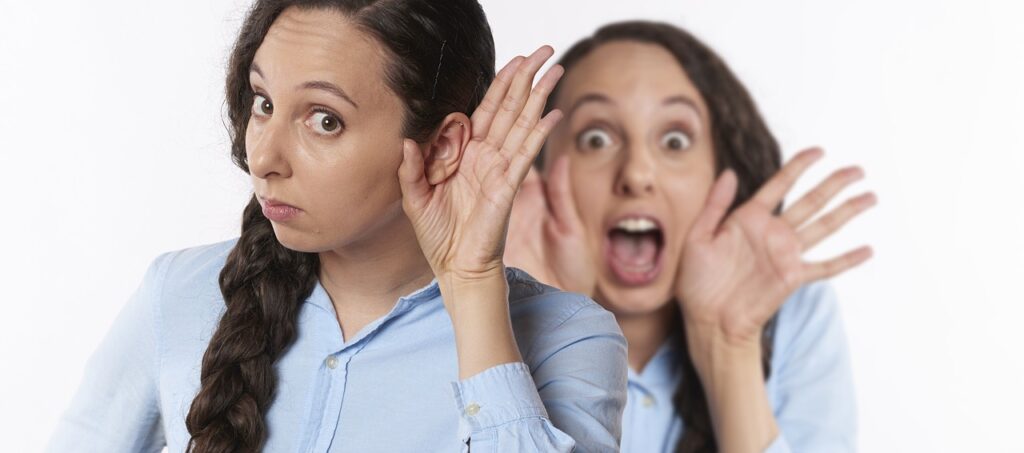
When people have trouble hearing, it can make talk to others super hard.
Impact on Personal Relationships
If someone can’t hear well, they might find their friends or family members hard to understand. This can cause fights and make everyone feel bad. It’s like trying to play a game, but not knowing the rules because we can’t hear them.
Struggle with Daily Conversations
People who can’t hear often find it really hard to chat with others, especially when there are many people or lots of noise around.
The Role of Genetics in Age-Related Hearing Loss
Just like how we might look like our parents or grandparents, our genes might make us more likely to have trouble hearing as we get older.
Genetic Factors and Hearing Loss
Our genes are like a great big recipe book that tells our bodies how to work. Sometimes, the recipes that tell our ears how to work are a bit mixed up, which makes it harder for us to hear.
Research on Genetic Mutations Related to Hearing Loss
Scientists are trying to find out which parts of our gene recipes can make our ears work improperly. Understanding this can help them think of ways to fix or prevent hearing loss.
How to Prevent Hearing Loss
There are a few things we can do to keep our ears healthy.
Importance of Regular Hearing Checks
Regular hearing tests can help catch any problems early. It’s just like how a dentist checks our teeth to catch cavities before they become painful.
Role of Healthy Lifestyle in Preventing Hearing Loss
Eating good food, exercising, and keeping our bodies healthy can also help to keep our hearing sharp. It’s like strolling a bike nicely to keep it from falling apart.
Protection from Noise Exposure
We should also protect our ears from very loud noises, like fireworks or loud music. This is like putting a cover on a phone to protect it from falling or scratches.
Treatment and Coping Mechanisms for Age-Related Hearing Loss
There are ways to fix or help people with hearing loss.
Hearing Aids and Assistive Listening Devices
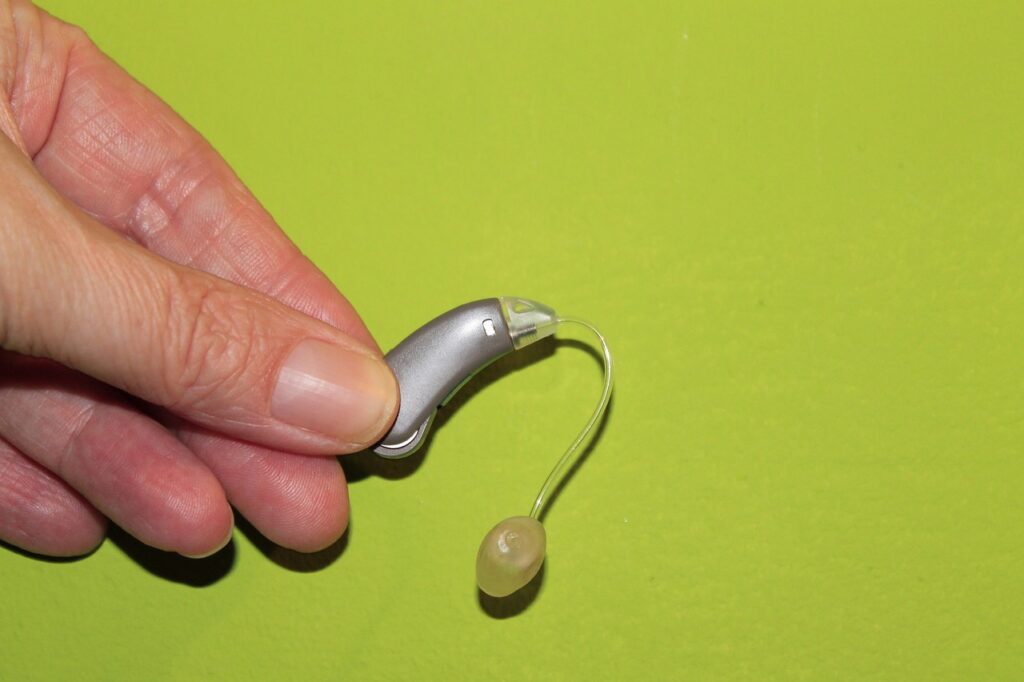
Hearing aids and assistive listening devices can help people hear better, like magnifying glasses can help us see tiny things.
Cochlear Implants
Another way to help is by using cochlear implants, which are a small device that helps the ear send sound signals to the brain.
Communication Strategies and Therapies
Services, like speech therapy and learning to lip-read, can help people with hearing loss too, like how a guide can help us follow a map.
Future Research and Innovations in Hearing Loss
Scientists are always trying to find new ways to help people with hearing loss.
New Treatments and Technologies
There are many new discoveries that could help people hear better in the future, like new types of hearing aids or different ways to protect our ears.
Impact of Stem Cell Research on Hearing Loss
Scientists are also looking into how stem cells might be used to restore hearing.
Advancements in Genetic Therapy for Hearing Loss
Lastly, scientists are also finding new ways to fix those mixed-up gene recipes, so they can prevent or even cure hearing loss in the future. It’s like finding a magic eraser to fix up a messy drawing.
And so, while hearing loss can be a big problem especially as people get older, there are many people working hard to help. Until then, it’s important to take good care of our ears, just like we do when taking care of our teeth or eyes.