
This article is all about the important role that certain nutrients play in reducing the risk of hearing loss. A study was done to see how carotenoids, vitamin A, vitamin C, vitamin E, and folate intake can affect a person’s risk of developing hearing loss. The study followed a large group of women for many years, and the results showed some interesting findings. Higher intake of certain carotenoids, like β-carotene and β-cryptoxanthin, were associated with a lower risk of hearing loss. On the other hand, having very low folate intake was linked to a higher risk of hearing loss. It also found that higher vitamin C intake was associated with a higher risk. These findings suggest that taking in more β-carotene, β-cryptoxanthin, and folate can be helpful in protecting against hearing loss. So, let’s dive into the details of this study and learn more about the suggested supplements to take for good hearing health.
The Role of Carotenoids in Reducing the Risk of Hearing Loss
This image is property of pixabay.com.

Introduction
Hearing loss is a common problem that can affect people of all ages. It can make it difficult to communicate and participate in daily activities. It is important to take care of our hearing health to prevent or minimize the risk of hearing loss. One way to do this is by following a nutritious diet that includes carotenoids, which are a group of pigments found in fruits and vegetables. Carotenoids have been found to play a role in reducing the risk of hearing loss.
Background Information
A study called the Nurses’ Health Study II looked at the relationship between carotenoid intake and self-reported hearing loss in women. The study followed 65,521 women from 1991 to 2009. Self-reported hearing loss means that the participants themselves reported if they had experienced hearing loss.

Study Design
The objective of the study was to examine the relationship between carotenoids, as well as vitamins A, C, E, and folate, and the risk of hearing loss. The researchers collected data on the participants’ dietary intake through food frequency questionnaires. They analyzed the data using statistical methods to determine the associations between carotenoid intake and hearing loss.
Results of the Study
The study found that higher intake of β-carotene and β-cryptoxanthin, which are types of carotenoids, was associated with a lower risk of hearing loss. This means that women who consumed more foods rich in β-carotene and β-cryptoxanthin were less likely to experience hearing loss. On the other hand, very low folate intake was associated with a higher risk of hearing loss, while higher folate intake tended to be associated with a lower risk. Higher vitamin C intake was actually associated with a higher risk of hearing loss. However, no significant associations were found for intake of other carotenoids or vitamin A.
This image is property of pixabay.com.
Significance of Carotenoids
Carotenoid-rich foods are important for maintaining good hearing health. Carotenoids act as powerful antioxidants in the body, which means they help protect cells from damage caused by harmful molecules called free radicals. When there is too much oxidative stress in the body, it can lead to inflammation and damage to the delicate hair cells in the inner ear, resulting in hearing loss. Carotenoids play a role in reducing oxidative stress and protecting against damage to the inner ear.
Specific Carotenoids and their Effects
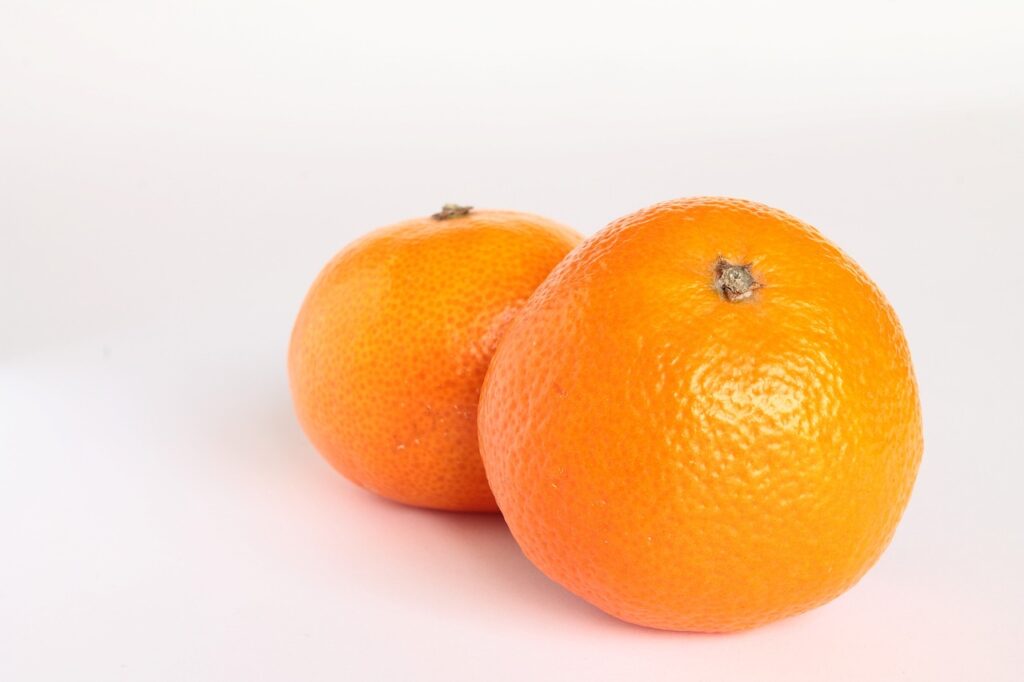
Specific carotenoids, such as β-carotene and β-cryptoxanthin, have been found to have a positive effect on hearing health. These carotenoids can be found in fruits and vegetables, such as carrots, sweet potatoes, oranges, and red peppers. Consuming these foods regularly can help reduce the risk of hearing loss. Other carotenoids, such as lutein and zeaxanthin, may also have benefits for hearing health, although more research is needed to fully understand their effects.

This image is property of pixabay.com.
Role of Vitamin A
Interestingly, the study did not find significant associations between vitamin A intake and hearing loss. Vitamin A is important for overall health, including vision and immune function, but it may not play a major role in protecting against hearing loss.
Role of Vitamin C
Contrary to what we might expect, higher vitamin C intake was actually associated with a higher risk of hearing loss in the study. However, the reasons for this association are not yet fully understood. It is possible that high vitamin C intake may be a marker of unhealthy lifestyle factors that could contribute to hearing loss.
Role of Vitamin E
The study did not specifically examine the association between vitamin E intake and hearing loss. However, vitamin E is another important antioxidant that may have benefits for overall health. Including foods rich in vitamin E, such as nuts, seeds, and vegetable oils, as part of a balanced diet is still recommended for overall well-being.
Role of Folate
Folate, a B-vitamin found in foods like leafy green vegetables, legumes, and fortified grains, appears to play a role in hearing health. The study found that very low folate intake was associated with a higher risk of hearing loss, while higher folate intake tended to be associated with a lower risk. Folate is important for DNA synthesis and repair, and it may help protect against damage to the inner ear.
Supplements for Hearing Health
While getting nutrients from a balanced diet is always preferable, some people may consider taking supplements to support their hearing health. It is important to talk to a healthcare professional before starting any new supplements. If the healthcare professional determines that a supplement is necessary, they can provide guidance on the recommended dosage.
When considering supplements for hearing health, it is also important to consider other nutrients that may have benefits. Omega-3 fatty acids, found in fatty fish like salmon and tuna, have been associated with a lower risk of hearing loss. Additionally, antioxidants like vitamins C and E, as well as zinc, may also have protective effects on hearing.
In conclusion, carotenoids, such as β-carotene and β-cryptoxanthin, and folate play important roles in reducing the risk of hearing loss. Consuming a variety of carotenoid-rich foods, including fruits and vegetables, can help protect against damage to the inner ear. Vitamin C intake should be moderated, as higher intake may be associated with a higher risk of hearing loss. Considering other nutrients, such as omega-3 fatty acids, vitamins E and C, and zinc, may also be beneficial for hearing health. Remember to talk to a healthcare professional before starting any new supplements to ensure they are appropriate for you. By taking care of your hearing health through good nutrition, you can reduce the risk of hearing loss and maintain good quality of life.
