
Hi! I’m here to share a story about a very special journey I took. Once upon a time, I had to find the perfect little helper that could make sounds louder for me because my ears were having a hard time doing that. Yes, I was on a quest to choose the right hearing aid just for me. This journey had a lot of discoveries, twists, and turns, just like a fun adventure story. This is my story, “The Ultimate Guide to Choosing the right hearing aid for You”, and I think you will learn a lot from it!
Understanding the Basics of Hearing Loss
Hearing loss is like not being able to hear some or all sounds. It can happen to anybody, just like getting glasses because you can’t see well.
Some common causes of hearing loss
There are many different things that can cause hearing loss. Sometimes, it happens because of loud noise, like a loud firework or music. Other times, it’s because a person gets older or when they get sick with certain diseases. Sometimes, babies are even born with hearing loss.
Degrees of hearing loss
Just like how some people might need glasses more than others, hearing loss can vary from person to person too. Some people might only have a little bit of trouble hearing, while others might not be able to hear at all. Doctors usually say if it’s mild, moderate, severe, or profound hearing loss.
Hearing testing and assessment
If you or other people notice that you might have trouble hearing, it is good to go to a doctor. The doctor will do some tests to see how well you hear. You might listen to different sounds, and mention when you can and can’t hear them. This helps the doctor understand your hearing loss better.
Different Types of Hearing Aids
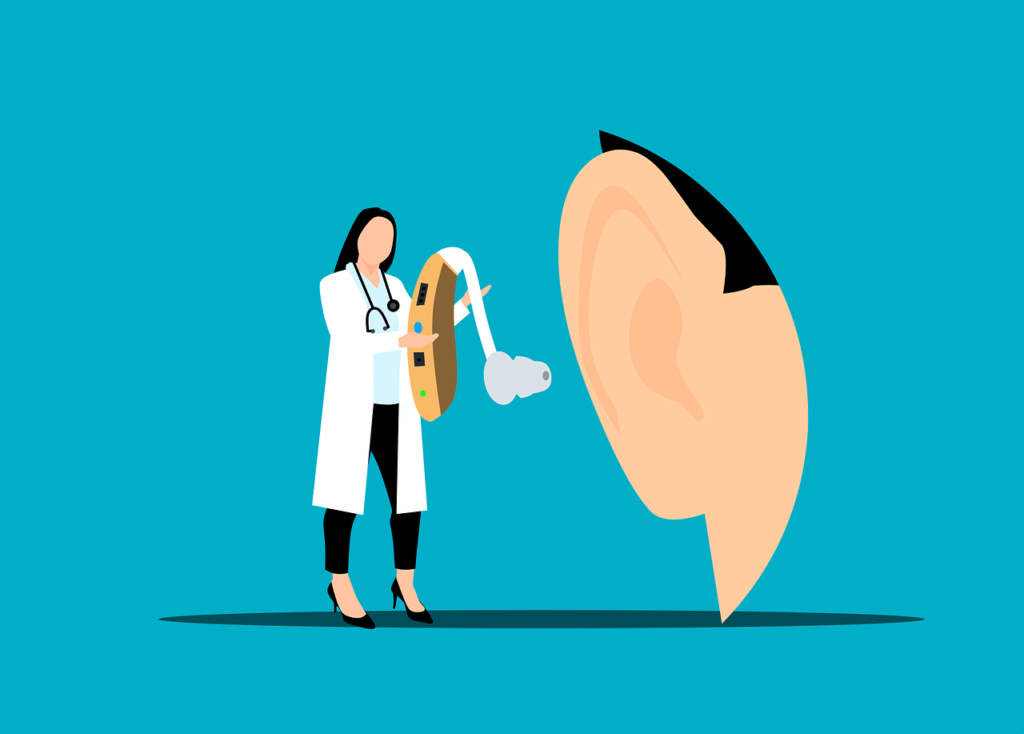
Hearing aids are like little helpers for your ears. They make the sounds louder so you can hear better. There are many types of hearing aids, like different shaped eye glasses.
Behind-the-ear (BTE) hearing aids
These hearing aids are small and stay put behind your ear. A small tube connects it to an ear mold that fits in your ear. It’s like having a tiny speaker in your ear.
In-the-ear (ITE) hearing aids
These hearing aids fit completely inside your outer ear. They have a hard plastic case that holds the parts necessary to make you hear better.
In-the-canal (ITC) hearing aids
Similar to ITE hearing aids, these sit inside the ear canal, but they are smaller and more hidden. The only part that sticks out a bit is a tiny handle to pull it out.
Completely-in-the-canal (CIC) hearing aids
These are even smaller than the ITC hearing aids. They go the furthest in your ear canal and are almost invisible. Just like hidden treasure, others wouldn’t even know it’s there!
Receiver-in-the-canal (RIC) hearing aids
RIC hearing aids are similar to BTE aids, but the speaker is inside the ear canal and the other parts are behind the ear. This two part system helps make sounds clearer.
Invisible-in-the-canal (IIC) hearing aids
These hearing aids are so small that they fit inside the ear canal completely, making them invisible!

Features of Modern Hearing Aids
Hearing aids nowadays are like tiny computers! They have many functions to help you hear better and make your life easier.
Noise reduction function
This function helps reduce the noise around you when you’re in a busy place. Makes it easier for you to have conversations with others.
Direct audio input
This allows you to plug your hearing aid directly into devices such as your TV, computer, or music device. It’s like wearing headphones directly in your ears.
Telecoil
Telecoils help when you are on the phone or in some special rooms with sound systems that work with hearing aids. It makes the sounds clearer and louder.
Wireless connectivity
Some hearing aids can connect to devices without any wires, like your phone or TV, only through a system called Bluetooth. You can even control your hearing aid through an app on your phone!
Rechargeable batteries
Just like with your toys, some hearing aids have batteries you can recharge. This means you don’t have to keep buying new batteries, which is very good for the environment.
Artificial intelligence features
These are very clever functions in hearing aids that can learn and adjust according to your needs, like lowering the sound when it’s too loud.
How To Choose the Right Hearing Aid For Your Lifestyle
Choosing the right hearing aid is like choosing the best toy, it should be something you like and something that you can use a lot.
Consider your daily activities
Think about what you do in a day. Do you play outside a lot? Watch TV? Talk on the phone? This will help you figure out which hearing aid is best for you.
Think about where you spend most of your time
If you spend a lot of time in noisy places, you might need a hearing aid with better noise reduction. If you spend a lot of time watching TV, you might need one with direct audio input.
Take into account your hobbies and interests
If you love swimming, you will need a hearing aid that can resist water. Or maybe if you love playing soccer, you will need a hearing aid that can stay secure when you run or jump.
Hearing Aid Considerations for Working Individuals
Sometimes adults need to consider their work when they choose a hearing aid, just like you need the right equipment for your school.
Meeting and conference requirements
If adults have meetings in their work, they may need hearing aids that can focus on hearing the person who is speaking, this is similar to listening to your teacher in class.
Workplace noise levels
In some jobs, there’s lots of noise. So, workers might need hearing aids with good noise reduction.
Phone and video conference usability
Sometimes, adults use phones or computers for meetings. So, they need hearing aids that can connect directly to these devices.
Hearing Aids And Sports: What You Need To Know
If you like sports and play a lot, here’s what you need to know about hearing aids.
Waterproof and sweat-resistant features
Just like your swimsuit, some hearing aids can resist water and sweat from your body. This is very helpful when you swim or run a lot.
Durability of hearing aids
When you play and move a lot, you need hearing aids that can handle it. Some are made extra tough just for this!
Comfort and security during physical activities
You need hearing aids that won’t bother you when you run, jump, or swim. Like nice fitting shoes, they should be comfortable and not fall off easily.

Understanding the Cost of Hearing Aids
Just like toys, hearing aids come with different prices. Some are more expensive than others, but they also have more functions.
Price range of different types of hearing aids
Some hearing aids cost more because they have more features or they are smaller. But remember, the most expensive is not always the best for you.
Considering your budget
Think about how much money you have and how much you want to spend on hearing aids. Take the time to think about which features you really need and want.
Insurance and hearing aid coverage
Sometimes, health insurance can help pay for your hearing aids, just like they can help pay for medicine. You or your parents can check with your insurance company to see how they can help.
Hearing Aid Brands and Manufacturers
Just like all the different toy brands out there, you have many options when it comes to choosing a hearing aid brand.
Popular hearing aid brands
Some hearing aid brands are more popular because many people use and like them. They are known for their quality and good service.
Comparing different manufacturers
It is a good idea to compare different brands, just like when you buy toys or clothes. Look at the features, prices, and reviews of each brand to make an informed decision.
Reading hearing aid reviews
Reviews are other people’s experiences with the product. You can learn from them to see if that specific hearing aid will suit you or not.
Getting a Hearing Aid: The Process
Getting a hearing aid is like a journey, it involves a few steps.
Hearing tests and consultations
This is the first step, where you go to the doctor and do some tests to check your hearing. Your doctor, like your teacher, will help you understand more about your hearing loss and the different types of hearing aids.
Getting fitted for a hearing aid
Once you choose a hearing aid, the doctor will make sure it fits you perfectly, just like your shoes or glasses. They will also adjust the sounds so it’s perfect for you.
Adjusting your hearing aid
It might take a few days or weeks to get used to your hearing aid. If you have any discomfort or issues, it’s okay to go back to your doctor for adjustments.
Maintaining Your Hearing Aid
Taking care of your hearing aid is very important, just like taking care of your toys. It will help them last longer and work better.
Cleaning and caring for your hearing aid
You will need to clean it regularly to keep it free from dust or earwax. Don’t forget to be gentle and use the right tools!
Troubleshooting common issues
Sometimes, just like with your toys, you might have some problems with your hearing aids. But don’t worry, you can learn how to fix common issues or ask for help.
When to consult a hearing professional
Remember, if anything goes wrong with your hearing aid, or if your hearing changes, you should go to a hearing professional, just like going to a doctor when you are sick.