
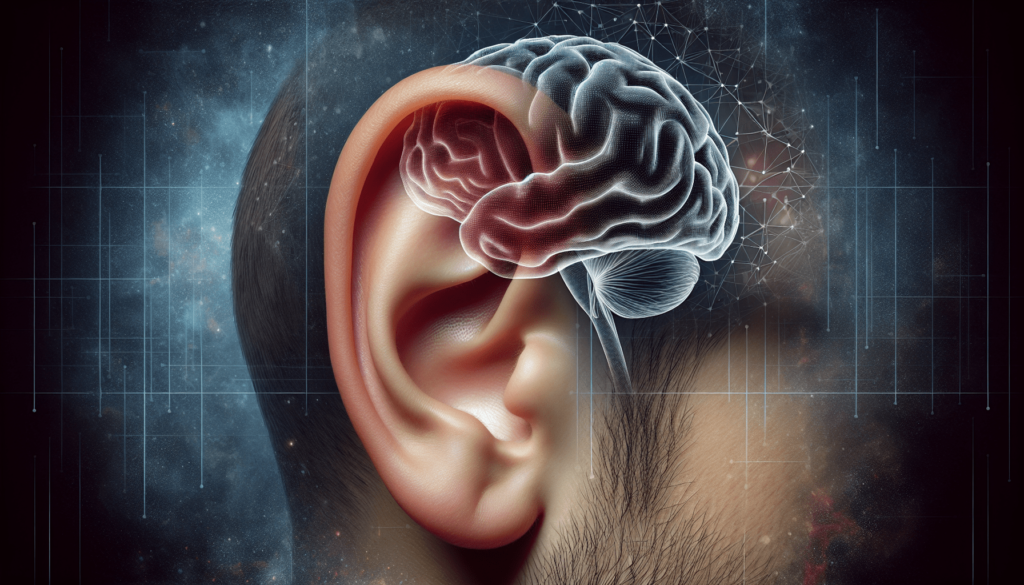
I am going to tell you an exciting story about how losing your hearing can affect how your mind works. It’s important to know this because people with hearing troubles can also face challenges with their feelings and thoughts. This article is like a secret decoder ring; it helps us understand the hidden messages that our ears send to our brain. In a way, we are detectives decoding a mystery called “The Impact of Hearing Loss on Mental Health.”
Understanding Hearing Loss
Definition of hearing loss
Hearing loss is when your ability to hear is reduced. A mild hearing loss makes it harder to understand soft speech, while a severe hearing loss can make you unable to hear even very loud sounds.
Different types and causes of hearing loss
There are two main types of hearing loss. The first one is conductive hearing loss, caused by problems in the ear canal, eardrum, or middle ear. The second one is sensorineural hearing loss, which happens because there’s damage to the inner ear or to the nerve pathways that go from the inner ear to the brain. Hearing loss can be caused by many things like loud noises, infections, certain medications, aging, and genetics.
Epidemiology of hearing loss
Hearing loss affects people of all ages. However, it’s more common in older people. A study has shown that about a third of people age 65 or older have hearing loss. In fact, hearing loss is one of the most common conditions affecting older adults.
Anatomy of Hearing
How normal hearing function works
Your ears work by conducting sound waves into the inner ear, where tiny hair cells pick up the vibrations and turn them into electrical signals. These signals are sent to your brain, which interprets them as sound.
Understanding the auditory system
The auditory system is made up of several parts. Your outer ear collects sound waves and directs them into your ear canal. From there, the sound vibrations move to your eardrum and enter the middle ear. In the middle ear, three tiny bones amplify the sound and send it to the inner ear. In the inner ear, the waves move through a spiral-like structure filled with fluid called the cochlea. Here, thousands of tiny hair cells transform the vibrations into electrical signals which are sent to your brain.
Effects of hearing loss on the auditory system
When you have hearing loss, sound doesn’t reach your brain like it should. Maybe sound waves can’t pass through your ear correctly, or maybe your ear can’t send the electrical signals to your brain correctly. This can cause you to not hear things as well as you used to, or maybe not at all.
Connection between Hearing Loss and Mental Health
Initial researches linking hearing loss with mental health
Some researchers have found that if you have hearing loss, you might also have more chance of feeling sad, anxiety, or other mental health issues. This doesn’t mean that hearing loss directly causes these things, but they are related.
Role of communication in mental health
Communication is very important for mental health. When you feel connected to others, you feel happier. But if you have hearing loss, you might find it harder to talk with people, and this can make you feel lonely.
Social isolation caused by hearing loss
Hearing loss can make it harder for you to communicate. This can lead to social isolation, where you might feel lonely because you’re not as social as before. This feeling can be very hard on your mental health.
Hearing Loss and Depression
Statistical analysis of hearing loss patients with depression
Many studies have found that people with hearing loss may have more chances of feeling depressed. For example, one study found that older adults with hearing loss were more likely to experience depression than those without hearing loss.
Reasons behind depression in individuals with hearing loss
There could be many reasons why people with hearing loss might feel depressed. It could be because they feel isolated, or because they’re not able to enjoy things they used to, like music or talking with friends.
Mitigation strategies for depression associated with hearing loss
There are things that can help with feeling depressed if you have hearing loss. You can use hearing aids or other devices to help you hear better. You can also talk to a therapist or a counselor about how you’re feeling.
Hearing Loss and Anxiety
Frequency of anxiety in individuals with hearing loss
Some studies have found that people with hearing loss might also have more chances of feeling anxious. This might be because they’re worried about not being able to hear things properly.
Explanation behind the correlation of hearing loss and anxiety
When you can’t hear properly, it can be scary. You might worry about missing out on things or not being able to communicate. These worries can make you feel anxious.
Tips for alleviating anxiety related to hearing loss
There are some things that can help you feel less anxious if you have hearing loss. For example, you could try using hearing aids, or you could try learning sign language. It could also help to talk to someone about your worries.
Hearing Loss and Cognitive Decline
Evidence linking hearing loss and cognitive decline
Cognitive decline is when your brain doesn’t work as well as it used to. Some researchers have found that people with hearing loss might have more chances of having cognitive decline. But more research is needed to understand this link better.
Understanding cognitive load and hearing loss
Cognitive load is how much your brain has to work at one time. If you have hearing loss, your brain might have to work harder to understand sounds. This might mean it has less resources for other things, like memory or attention.
Risk of dementia in individuals with hearing loss
Dementia is a disease where you lose your memory and other mental skills. Some studies have found that people with hearing loss might have a higher risk of getting dementia. But we need more research to understand this better.
Psychological Impact of Hearing Loss in Children
Early detection and intervention essentiality
Finding and helping hearing loss in children early on is very important. That’s because hearing is crucial for their language development and learning. The earlier we can help children with hearing loss, the better it is for their growth and development.
Effects of hearing loss on academic performance
If a child has hearing loss, it could make it harder for them to do well in school. That’s because they might have trouble hearing the teacher or their classmates. This can make learning more difficult.
Social and emotional impact on children with hearing loss
Hearing loss can also affect a child’s social and emotional health. They might feel different from their peers, and this can make them feel isolated or sad.
Role of Audiologists in Mental Health Support
Audiologists’ part in identifying mental health issues
Audiologists are professionals who specialize in hearing and balance. They can play an important role in helping to identify mental health issues in people with hearing loss. They can ask questions and recommend a person to see a mental health professional if needed.
Coordination between audiologists and mental health professionals
Sometimes, audiologists and mental health professionals work together. This helps to make sure that a person with hearing loss gets the all-round care they need.
Counseling strategies for individuals with hearing loss
There are special counseling techniques that can be used for people with hearing loss. These methods can help a person cope with their hearing loss, improve their communication skills, and enhance their overall quality of life.
Importance of Hearing Aids and Devices
Function and benefits of hearing aids
Hearing aids are devices that make sounds louder so you can hear them better. They can improve your hearing and make it easier for you to communicate.
Impact of hearing aids on mental health
Hearing aids can also have a positive impact on your mental health. They can help reduce feelings of isolation, depression, and anxiety.
Overcoming stigma and barriers related to the use of hearing aids
Sometimes people might feel embarrassed about wearing hearing aids. But it’s important to remember that hearing aids are just like any other tool that helps us in life. They are nothing to be ashamed of and can greatly improve the quality of life.
Promoting Public Awareness and Advocacy
Need for public awareness about hearing loss-related mental impacts
Many people don’t know about the mental health impacts of hearing loss. It’s important to raise awareness so that people can get the help they need.
Government policies and programs
Governments can play an important role in this. They can create policies and programs to provide support to individuals with hearing loss and raise public awareness.
Role of community in providing support to individuals with hearing loss
Communities can also support individuals with hearing loss. They can provide social connections, resources, and help raise awareness about the impact of hearing loss on mental health.
In conclusion, hearing loss can have a big impact on mental health. But with the right support, understanding and tools, individuals with hearing loss can lead fulfilling and healthy lives.