
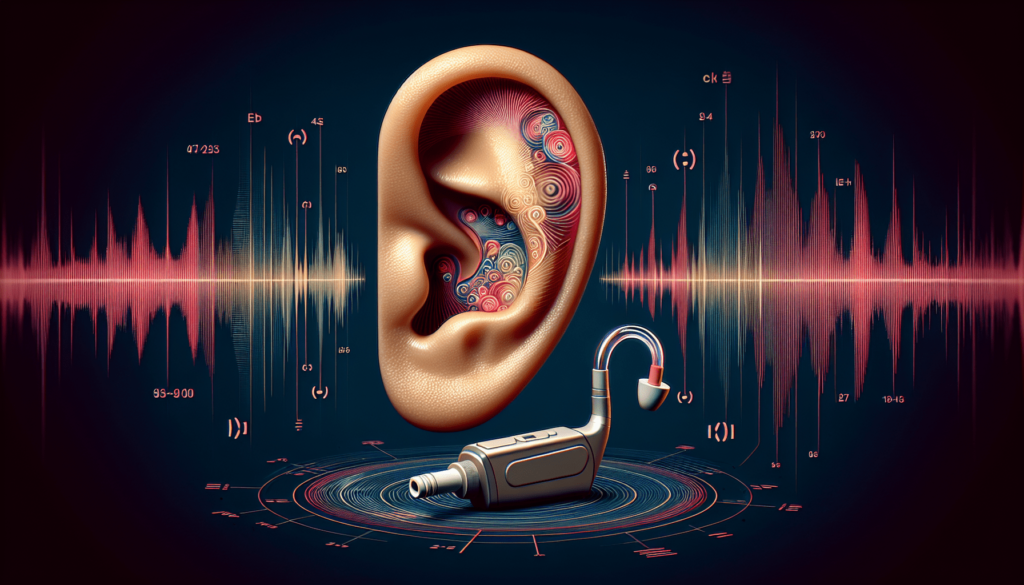
Ever find yourself struggling to hear certain frequencies? Imagine missing out on the sound of your favorite song or struggling to understand conversations. That’s where specific frequency hearing aids come in. Designed to target and amplify specific frequencies, these hearing aids are the perfect solution for individuals who have difficulty hearing certain sounds. By providing accurate information with empathy, facts, and a call to action, this article aims to convince you why specific frequency hearing aids should be your go-to choice. Say goodbye to missing out on the world’s beautiful symphonies and hello to a newfound appreciation for sound.

Heading 1: Understanding Specific Frequency Hearing Loss
Subheading 1: How Does Hearing Loss Occur?
Hearing loss can occur due to various factors, including age, noise exposure, genetics, and certain medical conditions. When it comes to specific frequency hearing loss, it refers to a type of hearing impairment where an individual experiences difficulty in perceiving or understanding sounds within a particular range of frequencies. This can make it challenging for individuals to hear and comprehend specific speech sounds or tones.
Subheading 2: Different Types of Hearing Loss
Before delving into specific frequency hearing loss, it’s important to understand the different types of hearing loss. There are three main types: conductive, sensorineural, and mixed.
Conductive hearing loss occurs when there is a problem with the middle or outer ear, such as a blockage or damage to the ear canal or eardrum. Sensorineural hearing loss, on the other hand, involves damage to the inner ear or the auditory nerve, typically caused by age, noise exposure, or certain medical conditions. Mixed hearing loss is a combination of both conductive and sensorineural hearing loss.
Subheading 3: What is Specific Frequency Hearing Loss?
Specific frequency hearing loss is a unique type of hearing impairment that primarily affects an individual’s ability to hear and understand sounds within a particular frequency range. This means that while they may have normal hearing in some frequencies, they struggle to perceive or discriminate sounds within the affected range.
For example, someone with specific frequency hearing loss may have difficulty understanding speech sounds with certain frequencies, leading to challenges in communication and comprehension. This type of hearing loss can vary in degree, from mild to severe, and it can have a significant impact on an individual’s daily life.
Subheading 4: Challenges Faced by Individuals with Specific Frequency Hearing Loss
Individuals with specific frequency hearing loss face several unique challenges that can impact both their personal and professional lives. These challenges include:
-
Speech Understanding: Understanding and deciphering speech sounds within the affected frequency range can be incredibly difficult. This can lead to misunderstandings, communication breakdowns, and frustration in various social and professional settings.
-
Background Noise Interference: Specific frequency hearing loss can make it particularly challenging to filter out background noise. This can make it difficult to focus on and understand conversations in noisy environments, making social interactions more challenging.
-
Limited Music Appreciation: Since hearing loss can impact an individual’s ability to perceive specific frequencies, enjoying music can become a challenge. Essential elements of music, such as melody and harmony, may be compromised for individuals with specific frequency hearing loss.
-
Emotional Impact: Struggling with specific frequency hearing loss can be emotionally challenging. It can lead to feelings of isolation, low self-esteem, and frustration, as individuals may feel left out during conversations or miss out on important information.
Heading 2: The Importance of Specific Frequency Hearing Aids
Subheading 1: Addressing Specific Frequency Hearing Loss
Specific frequency hearing aids play a crucial role in addressing the challenges faced by individuals with specific frequency hearing loss. These specialized devices are designed to amplify and enhance sounds within the affected frequency range, improving speech comprehension and overall sound perception.
By specifically targeting the frequencies that are difficult for individuals to perceive, specific frequency hearing aids can provide a customized solution that optimizes their listening experience.
Subheading 2: Benefits of Specific Frequency Hearing Aids
Specific frequency hearing aids offer several benefits to individuals with specific frequency hearing loss. Some of these benefits include:
-
Improved Speech Understanding: By amplifying and prioritizing sounds within the specific frequency range that the individual struggles with, specific frequency hearing aids enhance speech perception. This allows individuals to better understand conversations, even in challenging listening environments.
-
Enhanced Sound Quality: Specific frequency hearing aids are designed to provide targeted amplification, resulting in a clearer and more natural sound experience. This improved sound quality leads to better overall auditory perception and enjoyment.
-
Reduced Listening Fatigue: Struggling to hear and understand sounds can be mentally and physically draining. Specific frequency hearing aids alleviate this strain by providing individuals with the necessary amplification, reducing listening fatigue, and improving their ability to engage in conversations for longer periods.
-
Increased Confidence and Social Engagement: By addressing specific frequency hearing loss, these hearing aids help individuals regain their confidence in social situations. Improved speech understanding allows them to actively participate in conversations, boosting social engagement and overall quality of life.
Subheading 3: Advanced Technology in Specific Frequency Hearing Aids
Specific frequency hearing aids incorporate advanced technology to deliver optimal listening experiences. Some of the key technological features found in these devices include:
-
Frequency-Specific Signal Processing: Specific frequency hearing aids use advanced algorithms to analyze incoming sound and amplify specific frequencies that are challenging for the individual. This targeted approach ensures maximum benefit for the wearer.
-
Automatic Environmental Adaptation: Many specific frequency hearing aids have automatic sound classification and environmental adaptation features. These technologies allow the devices to automatically adjust and optimize sound settings based on the listening environment, ensuring the best possible listening experience in different situations.
-
Connectivity and Compatibility: Modern specific frequency hearing aids often feature wireless connectivity options, enabling seamless connection to smartphones, televisions, and other audio devices. This connectivity enhances the overall listening experience, allowing individuals to stream audio directly to their hearing aids.
-
Feedback Management: Feedback, such as whistling or squealing sounds, can occur with hearing aids. Advanced specific frequency hearing aids utilize feedback management systems to minimize or eliminate feedback, ensuring comfortable and clear sound transmission.
Heading 3: Customizing Hearing Solutions for Specific Frequencies
Subheading 1: Hearing Aid Programming for Specific Frequencies
The programming of specific frequency hearing aids is a crucial step in customizing them to an individual’s specific hearing needs. During the fitting process, an audiologist or hearing care professional will assess the individual’s hearing profile and adjust the hearing aid settings accordingly.
This involves programming the hearing aids to amplify and enhance sounds within the specific frequency range that the individual struggles with. Additionally, other parameters, such as gain, compression, and noise reduction, are adjusted to optimize sound quality and speech understanding.
Subheading 2: The Role of Audiologists in Customizing Specific Frequency Hearing Aids
Audiologists play a vital role in customizing specific frequency hearing aids to ensure the best possible outcomes for individuals with specific frequency hearing loss. They have the expertise and knowledge to accurately assess hearing profiles, determine the specific frequencies that need amplification, and fine-tune the devices accordingly.
Audiologists also provide ongoing support and counseling to individuals, helping them adapt to their new hearing aids and addressing any concerns or difficulties that may arise. This personalized care ensures that individuals receive tailored solutions and achieve the maximum benefit from their specific frequency hearing aids.
Subheading 3: Real-Time Adjustments and Automatic Filtering
One of the remarkable features of specific frequency hearing aids is their ability to make real-time adjustments and automatically filter out unwanted background noise. By continuously monitoring the listening environment, these devices can adapt and optimize sound settings on the go, providing individuals with a seamless and dynamic listening experience.
By reducing background noise and enhancing speech clarity, real-time adjustments and automatic filtering contribute to improved speech understanding and overall sound perception, even in challenging acoustic environments.
Subheading 4: Optimizing Sound Quality for Specific Frequencies
Specific frequency hearing aids are designed not only to amplify sounds within the affected frequency range but also to optimize sound quality, ensuring a natural and balanced auditory experience. These devices utilize advanced algorithms and signal processing technologies to adjust the amplification and equalization of specific frequencies, providing clear and accurate sound reproduction.
This optimization of sound quality enables individuals with specific frequency hearing loss to enjoy a wide range of sounds, including music and environmental sounds, in a more natural and enjoyable manner.
Heading 4: Improving Communication and Quality of Life
Subheading 1: Enhancing Speech Perception
One of the primary goals of specific frequency hearing aids is to improve speech perception for individuals with specific frequency hearing loss. By amplifying and enhancing speech sounds within the affected frequency range, these devices allow individuals to understand conversations more effectively.
Enhanced speech perception leads to improved communication, reduced misunderstandings, and increased confidence in social interactions. It enables individuals to actively engage in conversations, maintain relationships, and participate in various aspects of daily life, ultimately enhancing their overall quality of life.
Subheading 2: Reducing Listening Fatigue
Struggling to perceive and understand sounds within specific frequencies can be mentally and physically exhausting. Individuals with specific frequency hearing loss often experience listening fatigue, causing them to withdraw from social interactions or become exhausted after prolonged listening tasks.
Specific frequency hearing aids alleviate this fatigue by providing amplification tailored to the individual’s specific frequency needs. By reducing the strain on the auditory system, these devices enable individuals to engage in conversations and auditory tasks for longer periods without experiencing excessive fatigue.
Subheading 3: Boosting Social Engagement and Confidence
Hearing loss, especially when it affects specific frequencies, can significantly impact an individual’s social engagement and confidence. Difficulty understanding speech and participating in conversations can lead to feelings of isolation and frustration.
Specific frequency hearing aids play a crucial role in boosting social engagement and confidence by improving speech perception and enabling individuals to actively participate in conversations. With better hearing, individuals can navigate social interactions more effectively, maintain relationships, and regain their confidence in various social settings.
Subheading 4: Enhancing Overall Well-being
The impact of specific frequency hearing loss extends beyond communication and social interactions. When individuals struggle to hear and understand sounds within specific frequencies, it can affect their overall well-being.
By addressing specific frequency hearing loss, specific frequency hearing aids contribute to overall well-being. They allow individuals to enjoy the sounds of nature, music, and everyday life, enhancing their emotional well-being and overall quality of life.
Heading 5: Different Styles and Features Available
Subheading 1: Behind-The-Ear (BTE) Hearing Aids
Behind-The-Ear (BTE) hearing aids are a popular choice for individuals with specific frequency hearing loss. These devices sit comfortably behind the ear, with a tube or wire connecting to a custom earmold or earpiece that sits within the ear canal. BTE hearing aids provide excellent sound quality and can accommodate a wide range of hearing loss levels.
Subheading 2: In-The-Ear (ITE) Hearing Aids
In-The-Ear (ITE) hearing aids are custom-made to fit within the outer ear. They are discreet and blend seamlessly with the natural shape of the ear. ITE hearing aids are suitable for individuals with mild to severe specific frequency hearing loss. They offer easy handling and can include advanced features such as telecoil technology and wireless connectivity.
Subheading 3: Completely-In-Canal (CIC) Hearing Aids
Completely-In-Canal (CIC) hearing aids are the most discreet hearing aid style available. These devices sit deep within the ear canal, making them virtually invisible. CIC hearing aids are custom-made to fit the individual’s ear canal, ensuring a comfortable and secure fit. While they may not include advanced features due to their small size, CIC hearing aids are an excellent option for individuals with mild to moderate specific frequency hearing loss.
Subheading 4: Wireless Connectivity and Compatibility
Modern specific frequency hearing aids often come equipped with wireless connectivity options. This enables individuals to connect their hearing aids to various audio devices, such as smartphones, televisions, and music players. Wireless connectivity allows for seamless streaming of audio directly to the hearing aids, enhancing the listening experience and providing individuals with greater flexibility and convenience.
Heading 6: How to Choose the Right Specific Frequency Hearing Aid
Subheading 1: Professional Hearing Evaluation
Choosing the right specific frequency hearing aid requires a comprehensive and professional hearing evaluation. A hearing care professional will assess your hearing profile, including the specific frequencies that are challenging for you, as well as other important factors such as degree of hearing loss and lifestyle considerations.
This evaluation will help determine the most suitable hearing aid options and ensure a customized solution that meets your specific needs.
Subheading 2: Consideration of Lifestyle and Specific Needs
When selecting a specific frequency hearing aid, it’s important to consider your lifestyle and specific needs. Different models and features are available to accommodate various lifestyles. For example, if you are highly active and often exposed to challenging listening environments, you may benefit from a hearing aid with advanced noise reduction and directional microphone features.
Considering your specific needs, such as connectivity options and rechargeable vs. disposable batteries, will help you choose a specific frequency hearing aid that seamlessly integrates into your daily life.
Subheading 3: Budget and Financial Considerations
Budget is an important aspect to consider when choosing a specific frequency hearing aid. The cost of hearing aids can vary depending on the style, technology level, and additional features. It’s essential to work with your hearing care professional to find a hearing aid that fits within your budget while still meeting your specific frequency hearing needs.
Additionally, insurance coverage or financing options may be available to help alleviate the financial burden of purchasing specific frequency hearing aids. Consultation with your insurance provider and exploring financing options can provide you with a clearer understanding of the financial aspect of acquiring these devices.
Subheading 4: Consultation with Audiologists and Hearing Aid Specialists
Consulting with audiologists and hearing aid specialists is crucial throughout the process of choosing a specific frequency hearing aid. These professionals have in-depth knowledge and expertise in various hearing aid options and can guide you towards the most suitable solution for your specific frequency hearing loss.
They will conduct thorough evaluations, provide recommendations, and offer ongoing support and adjustments to ensure that your specific frequency hearing aid provides the best possible outcomes and meets your individual needs.
Heading 7: Overcoming Objections and Misconceptions
Subheading 1: Affordability and Insurance Coverage
One common objection or misconception about specific frequency hearing aids is their affordability and insurance coverage. While hearing aids can represent a significant investment, it’s important to consider them as a long-term investment in your overall well-being and quality of life.
Many insurance plans provide coverage for hearing aids, and there are also financing options available to help make these devices more accessible. Seeking guidance from your insurance provider and exploring financing options can help address any affordability concerns.
Subheading 2: Size and Visibility of Hearing Aids
Another objection or misconception is related to the size and visibility of hearing aids. Some individuals may be hesitant about wearing hearing aids because they don’t want others to notice or judge them.
However, hearing aid technology has advanced significantly, and there are now various styles available that are discreet and virtually invisible when worn. In-The-Ear (ITE) and Completely-In-Canal (CIC) hearing aids, for example, offer a subtle and comfortable fit, ensuring minimal visibility while providing optimal amplification for specific frequency hearing loss.
Subheading 3: Maintenance and Care Requirements
Maintaining and caring for hearing aids is another concern that individuals may have. However, modern hearing aids are designed to be durable and easy to maintain. Regular cleaning and maintenance routines, which can be easily learned from your hearing care professional, will ensure optimal performance and longevity of your specific frequency hearing aids.
Additionally, hearing aid clinics often offer service plans or warranty options to provide peace of mind and additional support for repairs or adjustments, further reducing the maintenance and care burden.
Subheading 4: Getting Accustomed to Wearing Hearing Aids
Getting accustomed to wearing hearing aids is a common concern for individuals considering specific frequency hearing aids. It’s important to understand that adapting to hearing aids is a gradual process, and it may take some time to fully adjust to the new sounds and sensations.
Working closely with your audiologist or hearing care professional is key during this adjustment period. They will provide guidance on wearing schedules, gradually increasing the wearing time, and offer ongoing support, counseling, and adjustments to ensure a smooth transition to using specific frequency hearing aids.
Heading 8: Success Stories: Real-life Experiences with Specific Frequency Hearing Aids
Subheading 1: Testimonials and Personal Stories
Real-life testimonials and personal stories can offer valuable insights into the benefits of specific frequency hearing aids. Many individuals have experienced significant improvements in their communication, relationships, and overall quality of life with the help of these devices.
Testimonials and personal stories not only provide encouragement and empathy but also showcase the positive impact that specific frequency hearing aids can have in real-world situations.
Subheading 2: Improved Communication and Relationships
One of the most common success stories revolves around the significant improvement in communication and relationships. Individuals who have struggled with specific frequency hearing loss often report a marked improvement in their ability to understand conversations, leading to stronger connections with their loved ones, friends, and colleagues.
Clearer and more effective communication minimizes misunderstandings and allows individuals to actively participate in conversations, strengthening their relationships and overall social interactions.
Subheading 3: Regaining Independence and Enjoyment of Everyday Sounds
With specific frequency hearing aids, individuals can regain their sense of independence and enjoyment of everyday sounds. The ability to perceive specific frequencies that were once challenging allows individuals to fully experience the richness of the auditory world around them.
Activities such as listening to music, enjoying the sounds of nature, or engaging in hobbies are once again a source of pleasure and fulfillment, enhancing overall well-being and quality of life.
Subheading 4: Empowering Individuals with Specific Frequency Hearing Loss
The success stories of individuals with specific frequency hearing aids are not only about improved hearing and communication but also about empowerment. By addressing specific frequency hearing loss, individuals regain control over their lives and overcome the barriers that hearing loss may have imposed on them.
Specific frequency hearing aids empower individuals to actively engage in various aspects of life, pursue their passions, and confidently interact with others, ensuring they can live life to the fullest potential.

Heading 9: The Future of Specific Frequency Hearing Aids
Subheading 1: Advancements in Technology and Research
The future of specific frequency hearing aids looks promising, as advancements in technology and ongoing research continue to push the boundaries of what is possible. Engineers, scientists, and audiologists are working together to develop innovative solutions that further enhance the performance and functionality of specific frequency hearing aids.
Advancements in signal processing, connectivity options, and miniaturization are just a few areas where progress is being made. These advancements will ensure that individuals with specific frequency hearing loss have access to even more tailored and effective solutions.
Subheading 2: Potential for More Tailored and Precise Solutions
As research and technological advancements progress, there is significant potential for more tailored and precise solutions for specific frequency hearing loss. Customization and personalization will continue to be at the forefront of hearing aid development, allowing for devices that address the unique challenges faced by individuals with specific frequency hearing loss.
By fine-tuning amplification and optimizing sound quality within the affected frequency range, future specific frequency hearing aids will provide even better speech perception and overall sound experience.
Subheading 3: Integration with Artificial Intelligence
Artificial intelligence (AI) is a rapidly growing field, and its integration with specific frequency hearing aids holds immense promise. AI algorithms can analyze and adapt to individual listening environments, further optimizing sound processing and amplification.
By learning from user preferences and behavior, AI-powered specific frequency hearing aids can provide highly personalized and dynamic amplification to ensure the best possible auditory experience in any situation.
Subheading 4: Imminent Innovations in Specific Frequency Hearing Aids
The future of specific frequency hearing aids is full of exciting possibilities. From improved connectivity options to intelligent sound processing, imminent innovations are expected to redefine the field of specific frequency hearing aids.
Some of the anticipated innovations include enhanced wireless capabilities, increased battery life, improved speech recognition algorithms, and even more discreet form factors. These innovations will continue to push the boundaries of specific frequency hearing aids and ensure that individuals with specific frequency hearing loss have access to the most advanced and effective solutions available.
Heading 10: Taking the First Step towards Better Hearing
Subheading 1: Seeking Professional Advice and Evaluation
If you believe you may be experiencing specific frequency hearing loss, the first step towards better hearing is to seek professional advice and undergo a comprehensive hearing evaluation. Consult an audiologist or hearing care professional who specializes in specific frequency hearing loss to assess your hearing and determine the best course of action.
A thorough evaluation will provide valuable insights into your specific frequency hearing loss and guide the selection and customization of the most suitable hearing aids.
Subheading 2: Exploring Hearing Aid Options
Once you have received a professional evaluation, it’s important to explore the various hearing aid options available for specific frequency hearing loss. Discuss your needs and preferences with your audiologist or hearing care professional, who will guide you in selecting the most appropriate hearing aids based on your lifestyle, degree of hearing loss, and specific frequency challenges.
Exploring different models, styles, and features will help you make an informed decision and choose hearing aids that provide the best possible outcome for your specific frequency hearing loss.
Subheading 3: Understanding Financing Options and Insurance Coverage
Understanding the financial aspect of acquiring specific frequency hearing aids is crucial. Inquire with your insurance provider about coverage for hearing aids, as many insurance plans offer some level of reimbursement or benefits.
Additionally, consult with your hearing care professional about financing options that may be available to help make the cost of hearing aids more manageable. These options can provide flexibility and accessibility, ensuring that you can receive the specific frequency hearing aids you need without undue financial strain.
Subheading 4: Embracing Better Hearing and a Higher Quality of Life
Taking the first step towards better hearing means embracing the potential to improve your overall quality of life. By addressing specific frequency hearing loss with appropriate hearing aids, you can regain confidence in your communication abilities and actively engage in conversations and activities that were once challenging.
Embrace the opportunity for better hearing, enhanced relationships, and a higher quality of life. With specific frequency hearing aids, you can once again fully experience the richness and beauty of the auditory world around you.
