
Are you in need of hearing aids, but unsure if your insurance will cover the cost? This article provides the essential information you need to know about insurance coverage for hearing aids. Discover the options available to you, learn about the potential benefits of having insurance coverage, and find out how you can take action to explore your options further. Don’t let financial concerns hold you back from improving your hearing health – explore whether insurance can help cover the cost of hearing aids today.

Does insurance cover the cost of hearing aids?
If you are considering getting hearing aids, one important question you may have is whether insurance will cover the cost. Fortunately, many insurance plans do offer coverage for hearing aids, as they are recognized as a vital medical device for individuals with hearing loss. In this comprehensive article, we will explore the different types of hearing aids, the importance of using them, and the factors to consider when choosing the right hearing aids for yourself. We will also delve into the topic of insurance coverage for hearing aids, including private health insurance and Medicare. So, let’s dive in and find out if your insurance will cover the cost of hearing aids.
Overview of hearing aids
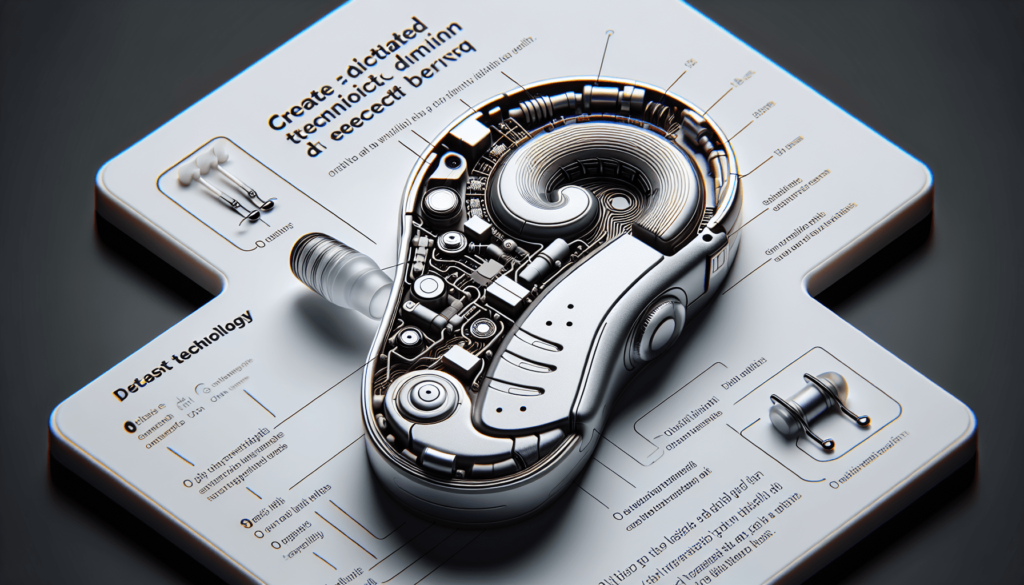
Hearing aids are small electronic devices that are designed to amplify sound and improve the hearing ability of individuals with hearing loss. These devices come in various shapes, sizes, and styles, and are worn either behind or inside the ear. The main components of a hearing aid include a microphone to pick up sound, an amplifier to enhance the sound, and a speaker to deliver the amplified sound into the ear. With advancements in technology, modern hearing aids are more discreet, comfortable, and effective than ever before.
Types of hearing aids
When it comes to choosing the right hearing aid, it’s essential to understand the different types available. Here are the most common types of hearing aids:
Behind-the-ear (BTE) hearing aids
BTE hearing aids are the most common type and are suitable for individuals with mild to profound hearing loss. These aids are worn behind the ear and have a tube that connects to a custom-molded earpiece or an earbud placed inside the ear canal.
In-the-ear (ITE) hearing aids
ITE hearing aids are custom-made to fit in the outer ear. They are slightly larger than the in-the-canal models, making them easier to handle and adjust. ITE hearing aids are an excellent choice for individuals with mild to severe hearing loss.
In-the-canal (ITC) hearing aids
ITC hearing aids are custom-made to fit partially in the ear canal while still being visible from the outside. They are slightly smaller than ITE hearing aids and are suitable for individuals with mild to moderate hearing loss.
Completely-in-the-canal (CIC) hearing aids
CIC hearing aids are custom-made to fit entirely inside the ear canal, making them nearly invisible. Due to their discreet design, they are popular among individuals with mild to moderate hearing loss.
Invisible-in-the-canal (IIC) hearing aids
IIC hearing aids are the smallest and most discreet type of hearing aids available. They fit deep inside the ear canal, making them virtually invisible when worn. IIC hearing aids are suitable for individuals with mild to moderate hearing loss.
Importance of hearing aids
Now that you have a basic understanding of the different types of hearing aids, let’s delve into why they are essential for individuals with hearing loss.
Improving quality of life
Hearing loss can significantly impact your quality of life, as it affects your ability to communicate and engage with the world around you. Hearing aids can help improve your hearing ability, allowing you to participate in conversations, enjoy music, and appreciate the sounds of nature. By enhancing your hearing, hearing aids can enhance your overall quality of life.
Enhancing communication
Clear communication is vital for maintaining relationships, whether it’s with family, friends, or colleagues. Hearing aids enable you to hear and understand conversations more effectively, reducing the frustration and stress that can arise from miscommunication. With the assistance of hearing aids, you can stay connected and engaged in conversations, leading to stronger and more meaningful relationships.
Reducing mental health issues
Untreated hearing loss has been linked to various mental health issues, including depression, anxiety, and social isolation. By addressing hearing loss with the use of hearing aids, you can potentially reduce the risk and severity of these issues. Hearing aids allow you to stay connected to the world, reducing feelings of loneliness and improving your overall mental well-being.
Factors to consider when choosing hearing aids
When selecting the right hearing aids for yourself, it’s crucial to consider several factors to ensure the best fit and functionality. Here are some key factors to keep in mind:
Degree of hearing loss
The degree of your hearing loss will play a significant role in determining the most suitable type of hearing aids for you. It’s essential to have your hearing assessed by a professional to determine the level of amplification you require.
Lifestyle and individual needs
Consider your daily activities and lifestyle when choosing hearing aids. If you are an active individual who enjoys sports or outdoor activities, you may opt for more durable and water-resistant hearing aids. Additionally, if you frequently use electronic devices, you may benefit from hearing aids with Bluetooth connectivity.
Physical appearance and size
The physical appearance and size of hearing aids can be important to some individuals, as they want a device that is discreet and aesthetically pleasing. If the visibility of the hearing aid is a concern for you, options like in-the-canal or invisible-in-the-canal hearing aids may be more suitable.
Budget and insurance coverage
The cost of hearing aids can vary significantly depending on the type, features, and brand. It’s important to establish a budget and consider your insurance coverage when selecting hearing aids. Insurance coverage for hearing aids will be further explored in the following sections.
Insurance coverage for hearing aids
Now comes the crucial part – understanding whether insurance will cover the cost of hearing aids. Insurance coverage for hearing aids varies depending on the type of insurance plan you have. Let’s explore the different types of insurance plans and what they generally cover.
Understanding insurance policies
Insurance plans can be broadly classified into private health insurance and government-sponsored healthcare plans, such as Medicare. Here’s a brief overview of these insurance types:
Types of insurance plans
Private health insurance plans, which are typically provided by employers or purchased individually, often offer some coverage for hearing aids. On the other hand, government-sponsored programs like Medicare have specific guidelines and limitations when it comes to hearing aid coverage.
Coverage limitations and exclusions
Insurance plans often have coverage limitations and exclusions related to hearing aids. Some plans may cover a significant portion of the cost, while others may have a maximum dollar amount or frequency of coverage. It’s important to review your insurance policy to understand the specific coverage details and any restrictions that may apply.
Out-of-pocket expenses
Even with insurance coverage, you may still be responsible for out-of-pocket expenses related to hearing aids. These expenses can include deductibles, co-payments, or the cost of upgrades and accessories. Be sure to factor in these additional costs when considering your overall budget for hearing aids.
Private health insurance
Private health insurance plans can vary greatly in terms of coverage for hearing aids. Here are some factors to consider when assessing your private health insurance coverage for hearing aids:
Policy variations
Each private health insurance plan can have its own coverage variations when it comes to hearing aids. Some plans may cover a percentage of the cost, while others may have a fixed maximum dollar amount per year. It’s important to contact your insurance provider or review your insurance policy to understand the details of your coverage.
In-network vs. out-of-network coverage
Private health insurance plans often have preferred provider networks. In-network providers have agreements with the insurance company to provide services at discounted rates. If you choose to go to an out-of-network provider, your coverage may be limited or you may have to pay higher out-of-pocket expenses. It’s essential to check with your insurance provider and ensure that the hearing care professionals you plan to work with are in-network.
Pre-authorization requirements
Some private health insurance plans require pre-authorization before you can obtain hearing aids. This means you will need to seek approval from your insurance provider before purchasing the devices. Pre-authorization may involve submitting audiograms, medical records, or other documentation that supports the medical necessity of hearing aids. It’s important to understand and follow the pre-authorization requirements to ensure your coverage is not compromised.

Medicare coverage for hearing aids
Medicare is a federal health insurance program primarily for individuals who are 65 years or older. Here’s a closer look at Medicare coverage for hearing aids:
Part A coverage
Medicare Part A generally covers inpatient hospital care, skilled nursing facility care, and some home health care. Unfortunately, Part A does not cover the cost of hearing aids or routine hearing exams.
Part B coverage
Medicare Part B covers medically necessary services, including doctor visits, preventive care, and certain diagnostic tests. While Part B does cover diagnostic hearing exams when ordered by a doctor, it typically does not cover the cost of hearing aids or fittings.
Medicare Advantage plans
Medicare Advantage plans, also known as Medicare Part C, are offered by private insurance companies approved by Medicare. These plans provide the same coverage as Original Medicare (Part A and Part B) and may include additional benefits like coverage for hearing aids. If you have a Medicare Advantage plan, it’s essential to review your plan’s specific coverage details to determine if hearing aids are included.
Conclusion
In conclusion, insurance coverage for hearing aids is available, but it varies depending on your insurance plan. Private health insurance plans often provide some level of coverage, but the extent of coverage can differ substantially. Medicare, while generally not providing coverage for hearing aids under Part A or Part B, may offer coverage through certain Medicare Advantage plans. To make the most informed decision about your coverage options, it’s crucial to review your insurance policy, contact your insurance provider, and consult with a hearing care professional. Don’t let the cost of hearing aids hold you back from enjoying better hearing and improving your quality of life. Take the necessary steps to explore your insurance coverage and find a solution that suits your needs and budget. With the right hearing aids and support, you can regain your ability to communicate, connect with others, and fully engage in the world around you.
