
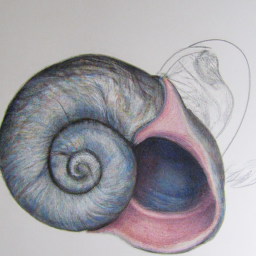
Have you ever wondered how we hear and why some people have difficulty hearing? Well, the latest research and findings on hearing loss can help us understand this better. Our ears have a special organ called the cochlea, which receives sound waves and sends them to our brain. In people with normal hearing, this process works smoothly. Sound waves are created when objects vibrate, like a guitar string or a loudspeaker. The volume or loudness of a sound is measured in decibels (dB), and the pitch or frequency is measured in hertz (Hz). But what happens when someone has hearing loss? Keep reading to learn more about hearing loss and how we can protect our ears!
Understanding Hearing Loss: Latest Research and Findings
Introduction
Hearing loss is a common condition that affects many people around the world. It is important to understand how hearing works and the various factors that can lead to hearing loss. In this article, we will explore the latest research and findings on hearing loss, including the anatomy of the cochlea, sound levels and frequencies, different types of hearing loss, causes and risk factors, the effects of noise, prevention and protection, age-related hearing loss, and advancements in hearing aid technology.
The Cochlea and the Process of Hearing
The cochlea is an important organ in the inner ear that plays a crucial role in hearing. It receives sound waves and sends signals to the brain, allowing us to perceive and interpret sounds. Sound waves are created when an object vibrates, such as a guitar string or a loudspeaker membrane. These sound waves are then converted into electrical signals by the cochlea and transmitted to the brain for processing.

This image is property of www.ncbi.nlm.nih.gov.
Decibels and Hertz: Explaining Sound Levels and Frequencies
When it comes to sound, two important measurements are decibels (dB) and hertz (Hz). Decibels measure the volume or loudness of a sound, while hertz measure the frequency or pitch. The higher the decibel level, the louder the sound, and the higher the hertz level, the higher the pitch of the sound. For example, a soft conversation may be around 40 dB, while a rock concert can reach 120 dB.
Auditory Thresholds and Sound Perception
The auditory threshold is the minimum level of sound that can be detected by the human ear. The human auditory threshold is around 0 decibels, and sounds above this threshold are perceived as louder noises. The perception of sound is also influenced by the intensity or sound pressure level. For instance, sounds above 110 decibels can become uncomfortable, and sounds above 130 decibels can be painful to the ears. To give you an idea of volume levels, quiet countryside sounds are around 20 dB, while a jet engine can reach 140 dB.

Different Types of Hearing Loss
There are different types of hearing loss, each with its own causes and characteristics. Normal hearing refers to the ability to hear sounds at or above the auditory threshold. Mild, moderate, severe, and profound hearing loss describes the degree of hearing impairment. Conductive hearing loss occurs when there is a problem with the middle ear or ear canal, while sensorineural hearing loss is caused by damage to the inner ear or the auditory nerve. Mixed hearing loss is a combination of both conductive and sensorineural hearing loss.
Causes and Risk Factors of Hearing Loss
Hearing loss can be caused by various factors and risk factors. Age-related hearing loss is a common type of hearing loss that occurs as people get older. Noise-induced hearing loss is caused by exposure to loud noises, such as loud music or occupational noise. Genetic factors, medical conditions, medications, ear infections, ototoxicity, and traumatic injuries can also contribute to hearing loss.

Effects of Noise on Hearing
Noise can have damaging effects on our hearing. Acute noise exposure, such as a loud explosion, can cause immediate hearing loss. Chronic noise exposure, such as prolonged exposure to loud music or occupational noise, can lead to permanent hearing damage. Occupational hazards, such as working with loud machinery, and recreational activities, such as attending concerts without ear protection, can impact our hearing.
Prevention and Protection Against Hearing Loss
It is important to protect our hearing to prevent hearing loss. This can be done through various methods, such as wearing ear protection, practicing safe listening habits, and following workplace regulations and guidelines. Foam earplugs and acoustic ear muffs can provide protection against noise. It is also important to be aware of the volume levels of our surroundings and to take breaks from prolonged exposure to loud noises.
Age-Related Hearing Loss: Causes and Treatments
Age-related hearing loss is a common condition that affects many older individuals. As we age, changes in the inner ear and the brain can contribute to hearing loss. This type of hearing loss often affects the ability to understand conversations, particularly in noisy environments. However, advancements in hearing aid technology have made it possible to improve hearing and enhance communication for individuals with age-related hearing loss.
Advancements in Hearing Aid Technology
Hearing aid technology has come a long way in recent years. Digital hearing aids offer numerous benefits, such as improved sound quality and customization options. Modern hearing aids also come with features and functionalities that enhance the listening experience, such as noise cancellation and directional microphones. Wireless connectivity and smartphone integration allow users to connect their hearing aids to other devices, such as phones and televisions. These advancements have greatly improved the quality of life for individuals with hearing loss.
In conclusion, understanding hearing loss is crucial in order to prevent and manage this common condition. By exploring the latest research and findings, we can gain insights into the anatomy of the cochlea, sound levels and frequencies, different types of hearing loss, causes and risk factors, the effects of noise, prevention and protection, age-related hearing loss, and advancements in hearing aid technology. With this knowledge, we can take proactive measures to protect our hearing and seek appropriate treatments when necessary.