
Imagine if you couldn’t hear anything around you – no birds chirping, no music playing, no whispers from your friends. Hearing is so important because it helps us stay safe and connect with others. Scientists have been studying how our ears work for a long time, and they’ve discovered some really cool things. Did you know that inventions like telephones and radios have made hearing even more important in our daily lives? Sound is a type of energy that travels in waves, and our hearing organs help us analyze these sounds and send signals to our brain. Our ears have evolved to be really good at capturing and interpreting these waves. So, next time you hear a sound, remember how amazing your ears are!
This image is property of www.ncbi.nlm.nih.gov.
The Importance of Hearing in Daily Life
Introduction
Hearing is a crucial sense that plays a vital role in our daily lives. It not only provides us with the ability to perceive and interpret sounds but also offers several survival advantages. Furthermore, our ability to hear is essential for human social structures, such as communication and the formation of relationships. In this article, we will explore the historical milestones of understanding the inner ear, delve into the fundamentals of sound and hearing, discuss the function of the hearing organs, and highlight the impact of hearing loss on daily life. We will also provide tips for promoting healthy hearing and discuss advancements in hearing aid technology. By the end of this article, you will recognize and appreciate the value of hearing and understand the importance of taking care of your ears.
Survival Advantages of Hearing
Hearing plays a crucial role in our survival as human beings. It allows us to detect important sounds in our environment, such as approaching predators or potential dangers. For example, the sound of a growling dog or a car horn can alert us to potential threats. Additionally, hearing enables us to communicate with others, allowing for the exchange of information and the coordination of actions in various situations. Whether it’s alerting someone to a hazard or participating in a conversation, our ability to hear is essential for our safety and well-being.
Role of Hearing in Human Social Structures
Hearing is not only important for our physical survival but also for our social interactions. It plays a crucial role in communication, allowing us to understand and interpret spoken language. Through hearing, we can listen to others, respond appropriately, and engage in meaningful conversations. Furthermore, hearing helps us establish and maintain relationships by enabling us to listen, understand, and empathize with others. It allows us to enjoy music, appreciate the sounds of nature, and partake in various social activities. Without the sense of hearing, our social interactions and connections with others would be severely compromised.
Historical Milestones of Understanding the Inner Ear
Early Studies of the Inner Ear
For centuries, scientists and researchers have been fascinated by the inner workings of the ear. Early studies focused on understanding its structure and function, leading to significant milestones in our understanding of hearing. These studies involved dissecting and examining the human ear, as well as the ears of various animals. Through meticulous observations and experiments, scientists began to unravel the mysteries of how sound is perceived and processed.
Inventions and Impact on Hearing
The invention of various devices greatly impacted the importance of hearing in daily life. The telephone, invented by Alexander Graham Bell, revolutionized the way we communicate by enabling us to transmit and receive sound over long distances. Similarly, the phonograph brought about the ability to record and play back sounds, allowing for the preservation and enjoyment of music and spoken word. The radio further expanded our access to auditory information, providing entertainment, news, and educational content. These inventions not only enhanced our ability to hear and understand the world around us but also contributed to the development of our social structures.
Discovery of the Active Mechanism of the Inner Ear
Early scientists believed that the ear was a passive receptor, simply receiving and transmitting sound waves. However, through further research and experimentation, it was discovered that the inner ear possesses an active mechanism. This mechanism, known as the cochlear amplifier, enhances the sensitivity and frequency selectivity of our hearing. It is responsible for amplifying and fine-tuning the sound vibrations that enter the inner ear, allowing us to perceive sounds with great precision. This groundbreaking discovery significantly deepened our understanding of the intricate workings of the ear and its role in the perception of sound.
Fundamentals of Sound and Hearing
Sound as Mechanical Energy
Sound is a form of mechanical energy that is generated by vibrations. When an object vibrates, it creates pressure waves in the surrounding medium, which can be air, water, or solid materials. These pressure waves travel through the medium, carrying the energy of the vibration with them.
Formation and Transmission of Pressure Waves
When a sound is produced, such as someone speaking or a musical instrument being played, it creates vibrations in the air molecules surrounding it. These vibrations cause the air molecules to move back and forth rapidly, creating areas of high pressure and low pressure in the form of waves. These waves travel through the air, reaching our ears and allowing us to perceive the sound.
Relationship between Frequency, Pitch, and Intensity
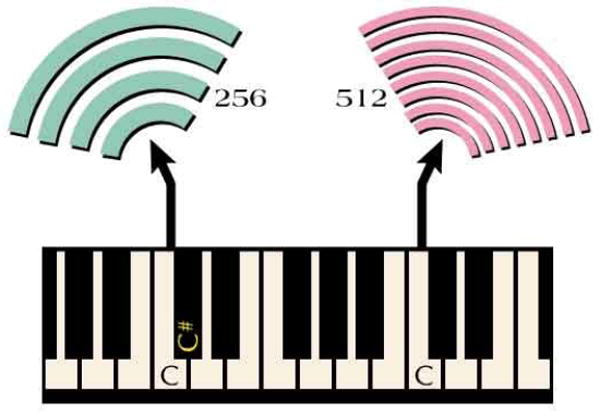
Frequency refers to the number of vibrations per second and determines the pitch of a sound. Sounds with a high frequency, such as the chirping of a bird, are perceived as high-pitched, while sounds with a low frequency, like the rumble of thunder, are perceived as low-pitched. Intensity, on the other hand, refers to the magnitude or strength of a sound and determines its loudness. Louder sounds have a higher intensity, while softer sounds have a lower intensity. Understanding the relationship between frequency, pitch, and intensity is essential in comprehending how we perceive and interpret different sounds.
The Hearing Organs and Their Function
Analysis of Environmental Sounds
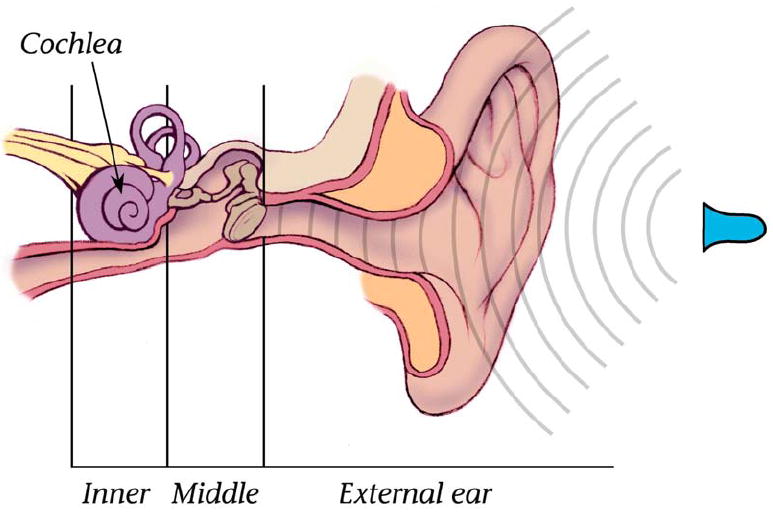
Our hearing organs, including the outer ear, middle ear, and inner ear, work together to analyze environmental sounds. The outer ear, consisting of the pinna (the visible part of the ear) and the ear canal, collects and directs sound waves towards the eardrum. The middle ear, which includes the eardrum and the three small bones called the ossicles (hammer, anvil, and stirrup), amplifies the sound vibrations and transmits them to the inner ear. The inner ear, specifically the cochlea, is responsible for converting these sound vibrations into electrical signals that can be interpreted by the brain.
Transmission of Results to the Brain
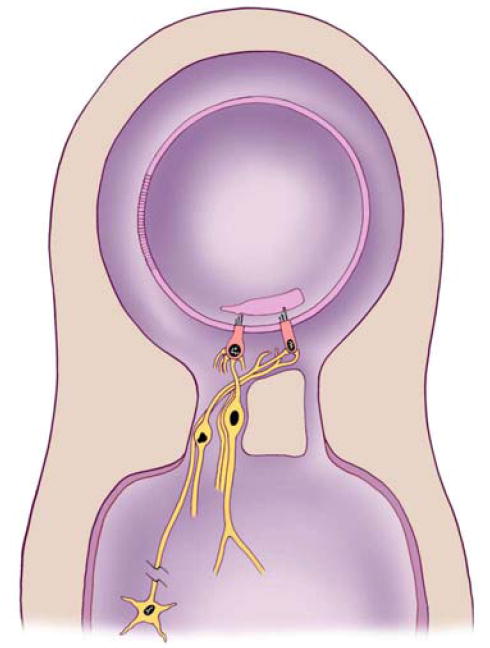
Once the sound vibrations reach the inner ear, they travel through the fluid-filled cochlea, causing tiny hair cells to bend and generate electrical signals. These electrical signals are then transmitted to the auditory nerve, which carries them to the brain for further processing and interpretation. The brain, in turn, decodes these electrical signals into meaningful sounds that we can perceive and understand.
Evolution of Land Animal’s External and Middle Ears
Land animals, including humans, have evolved external and middle ears to maximize the transfer of sound energy from the air to the fluid-filled inner ear. The shape of the external ear (pinna) helps to collect and direct sound waves towards the ear canal. The ear canal, along with the eardrum and the ossicles, acts as a mechanical amplifier, increasing the sound pressure and transmitting it efficiently to the cochlea. This evolutionary adaptation has allowed land animals to optimize their hearing abilities and better perceive the sounds in their environment.

This image is property of www.ncbi.nlm.nih.gov.
Maximizing Transfer of Sound Energy
The Role of the External Ear
The external ear, consisting of the pinna and the ear canal, plays a crucial role in maximizing the transfer of sound energy from the environment to the inner ear. The unique shape and structure of the pinna help to collect and funnel sound waves towards the ear canal, increasing the efficiency of sound capture.
Reflection of Sound towards the Ear Canal
The shape and curves of the pinna cause sound waves to bounce off its surfaces, effectively reflecting them towards the ear canal. This reflection helps to amplify and concentrate the sound energy, ensuring that more sound waves are directed towards the eardrum.
Impact of Pressure Waves on the Ear Drum
When sound waves enter the ear canal, they strike the eardrum, causing it to vibrate. The eardrum acts as a barrier between the outer ear and the middle ear, separating the two compartments. As the eardrum vibrates in response to the incoming sound waves, it transmits these vibrations to the ossicles, which then amplify and transmit the sound energy to the inner ear. This chain of events ensures that the pressure waves generated by the sound are efficiently transferred to the hearing organs for further processing.
Determining the Origin of Sounds
Frequency Composition and its Importance
The frequency composition of sounds plays a crucial role in helping our auditory system determine their origin. Different sounds have distinct patterns of frequency, with certain frequencies being more prominent than others. By analyzing the frequency content of a sound, our auditory system can infer important information about its source and location.
Auditory System’s Role in Locating Sound
Our auditory system possesses remarkable capabilities in locating the origin of sounds. It relies on several cues, including differences in intensity, timing, and phase between the sound arriving at our two ears. By comparing these cues, the brain can triangulate the origin of the sound, allowing us to accurately perceive its direction and distance.
Understanding Sound Origin through Frequency Analysis
In addition to analyzing timing and intensity cues, our auditory system also utilizes frequency analysis to determine the origin of sounds. Different frequencies have distinct characteristics when they interact with the structures of our ears. These interactions provide valuable information to the brain, enabling us to identify and locate the sources of various sounds in our environment.

This image is property of www.ncbi.nlm.nih.gov.
Impact of Hearing Loss on Daily Life
Types and Causes of Hearing Loss
Hearing loss can occur due to various factors and can be classified into different types. Conductive hearing loss occurs when there is a problem with the transmission of sound waves through the outer and middle ears. Sensorineural hearing loss, on the other hand, occurs when there is damage or dysfunction in the inner ear or the auditory nerve. There can also be a combination of both types, known as mixed hearing loss. Hearing loss can be caused by factors such as aging, exposure to loud noise, certain medical conditions, genetic factors, and ototoxic medications.
Consequences of Untreated Hearing Loss
If left untreated, hearing loss can have significant consequences on daily life. It can lead to communication difficulties, making it challenging to understand and participate in conversations. This can result in social isolation, reduced quality of life, and even feelings of frustration, anxiety, and depression. Hearing loss can also impact cognitive function, as the brain’s auditory processing abilities rely on consistent and accurate auditory input. Furthermore, untreated hearing loss can affect work performance, educational outcomes, and overall well-being.
Psychological and Social Implications
Hearing loss can have profound psychological and social implications for individuals affected by it. Social interactions may become strained, as understanding and participating in conversations become more difficult. Individuals with untreated hearing loss may experience feelings of frustration, embarrassment, or isolation. This can lead to a decline in overall mental well-being, impacting one’s self-esteem, confidence, and overall quality of life. Recognizing the early signs of hearing loss and seeking appropriate treatment can help mitigate these psychological and social challenges.
Promoting Healthy Hearing
The Importance of Regular Hearing Check-ups
Regular hearing check-ups are crucial for maintaining healthy hearing and for promptly identifying and addressing any potential issues. By visiting a hearing healthcare professional, such as a hearing aid instrument specialist, regularly, you can ensure that your hearing is regularly monitored and any changes or concerns are addressed in a timely manner. These check-ups may involve various tests and assessments to evaluate your hearing abilities and determine if any intervention is necessary.
Preventive Measures for Noise-Induced Hearing Loss
Noise-induced hearing loss is a common type of hearing loss that can be prevented by taking certain precautions. Avoiding exposure to loud noises, wearing proper hearing protection, and practicing safe listening habits can greatly reduce the risk of damaging your hearing. When in noisy environments, such as concerts, sporting events, or construction sites, it is essential to use earplugs or earmuffs to help attenuate the intensity of the sound and protect your ears.
Adopting Hearing Protection Habits
In addition to taking preventive measures in noisy environments, it is important to adopt hearing protection habits in daily life. Limiting exposure to excessive noise, such as turning down the volume on personal listening devices, can help protect your hearing. Additionally, giving your ears regular breaks from loud or continuous noise can allow them to rest and recover from sound exposure. By incorporating these habits into your routine, you can take proactive steps to maintain healthy hearing throughout your life.

This image is property of www.ncbi.nlm.nih.gov.
Advancements in Hearing Aid Technology
Improvements in Sound Amplification
Hearing aid technology has advanced significantly, providing improved sound amplification and enhanced hearing experiences. Modern hearing aids are designed to amplify sounds specific to an individual’s hearing needs, providing personalized amplification. They can adjust to different listening environments, reducing background noise while amplifying speech and other important sounds. These advancements have made hearing aids more effective and efficient in addressing various types and degrees of hearing loss.
Smart Features and Connectivity Options
Many modern hearing aids now come equipped with smart features and connectivity options, allowing for seamless integration with other devices. Bluetooth connectivity enables direct streaming of phone calls, music, and other audio content from compatible devices to the hearing aids. This connectivity also allows for remote control and adjustment of settings, improving user convenience and accessibility. Additionally, hearing aids with artificial intelligence capabilities can learn and adapt to the user’s preferences and listening environments, providing a more customized hearing experience.
Personalized Treatment for Hearing Loss
Advancements in hearing aid technology have enabled personalized treatment for individuals with hearing loss. Through thorough assessments and evaluations, hearing healthcare professionals can determine the unique needs and preferences of each individual. This information helps in the selection and fitting of hearing aids that are tailored to the specific hearing requirements of the individual. The customization and personalized programming of hearing aids aim to optimize their effectiveness and provide the best possible hearing outcomes for each user.
Conclusion
Recognizing and understanding the value of hearing is paramount for appreciating the importance of taking care of our ears. Hearing plays a crucial role in our daily lives, from providing survival advantages to facilitating communication and social interactions. Through centuries of study and research, we have made remarkable progress in understanding the inner workings of the ear and the processing of sound. By comprehending the fundamentals of sound and hearing, we can further appreciate the intricate mechanisms involved and the complexity of our auditory system. It is essential to recognize the impact of hearing loss on our daily lives, both in terms of communication difficulties and psychological well-being. By promoting healthy hearing, seeking appropriate treatment, and embracing advancements in hearing aid technology, we can improve the quality of life for individuals with hearing loss. Through education and awareness, we can create a society that values and supports healthy hearing, leading to a more inclusive and enriched environment for all.
This image is property of www.ncbi.nlm.nih.gov.