
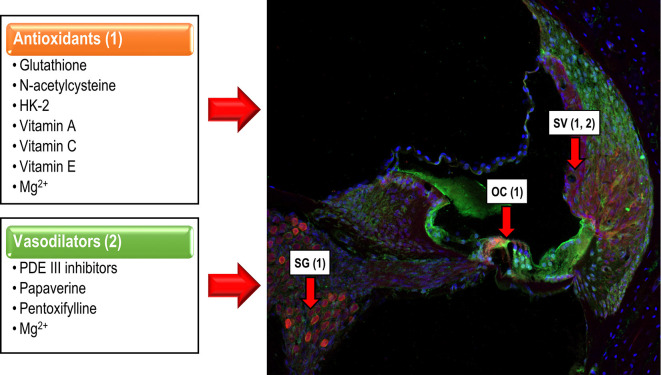
There are a lot of people in the world who have trouble hearing because they were exposed to really loud noises. It’s a big problem that affects over 400 million people! Right now, there aren’t any medicines or treatments specifically for this problem. But scientists are studying some drugs that might help. These drugs target things in our body that cause damage to our ears when we hear loud sounds. One type of drug is called an antioxidant, which helps protect our ears from getting hurt. Some antioxidants, like glutathione and N-acetylcysteine, have shown promise in studies with animals. But there are still more research studies that need to be done to see if these drugs will work for people too.

This image is property of www.ncbi.nlm.nih.gov.

Introduction
Have you ever wondered why it’s important to protect your ears from loud noises? Well, there’s a condition called Noise-Induced Hearing Loss (NIHL) that can affect people who are exposed to high-level noise. NIHL is a serious health problem that affects over 400 million people worldwide. Unfortunately, there are currently no therapeutic measures available to treat NIHL. However, scientists are researching different options, such as antioxidants and vasodilators, to find potential treatments for this condition. In this article, we will explore what NIHL is, the current treatment options, the role of antioxidants and vasodilators, the importance of nutrition and vitamins, and some suggested supplements to help prevent or treat NIHL.
Understanding Noise-Induced Hearing Loss (NIHL)
Definition and causes of NIHL
NIHL is a condition that occurs when our ears are exposed to loud noises for a long period of time or to a single extremely loud sound. These loud sounds can damage our delicate inner ear structures, specifically the hair cells responsible for transmitting sound signals to the brain. When these hair cells are damaged, it becomes difficult for us to hear certain sounds or understand speech clearly. Some common causes of NIHL include loud music, machinery, fireworks, or even prolonged exposure to loud noises in our everyday environment.
Prevalence and impact of NIHL
NIHL is more common than you might think. It affects millions of people worldwide, including both children and adults. In fact, studies have shown that around 15% of people between the ages of 20 and 69 have some degree of hearing loss due to noise exposure. The impact of NIHL can be significant, as it can make it harder for people to communicate, perform well in school or work, and enjoy various activities. It is crucial to take steps to prevent and find treatments for NIHL.

Current Treatment Options for NIHL
Lack of therapeutic measures
Unfortunately, at present, there are no specific treatments available to cure or reverse NIHL completely. Once the delicate hair cells in our inner ear are damaged, they cannot be repaired or regenerated. The only available options are hearing aids or cochlear implants, which can help amplify sounds and improve hearing to some extent. However, these devices do not restore the hearing to its original state. That’s why researchers are actively investigating new treatment options to address the root cause of NIHL and potentially find a way to reverse or prevent the damage in the first place.
Investigation of pharmacological agents
Scientists are focusing on identifying pharmacological agents that could target specific mechanisms involved in NIHL. One such mechanism is the excessive generation of free radicals, which leads to oxidative stress and damage to the cells in the inner ear. Researchers are studying antioxidants, substances that can counteract the effects of free radicals, as potential treatments for NIHL. Another mechanism under investigation is blood flow restriction to the cochlea, which can cause damage and hearing loss. Vasodilators, substances that can improve blood flow, are also being explored as potential treatments for NIHL.
Exploring Antioxidants as Potential Treatments
Mechanisms targeted by antioxidants in NIHL
Antioxidants play a crucial role in protecting our cells from damage caused by free radicals. In the case of NIHL, excessive noise exposure leads to the production of free radicals, which can cause oxidative stress and damage to the delicate hair cells in the inner ear. Antioxidants help neutralize these harmful free radicals, reducing the damage and protecting the hearing cells from further harm.
Glutathione and N-acetylcysteine as promising antioxidants
Two antioxidants that have shown promise in animal studies for reducing cochlear damage and threshold shifts are glutathione and N-acetylcysteine. Glutathione is a powerful antioxidant naturally found in our cells, and N-acetylcysteine is a supplement that can increase glutathione levels in the body. Both have been shown to have protective effects on the hair cells in animal studies, but further research is needed to determine their effectiveness in humans.
Effectiveness of antioxidants in animal studies
Animal studies have provided encouraging results regarding the effectiveness of antioxidants in preventing NIHL. For example, research conducted on animals exposed to loud noises showed that treatment with antioxidants reduced both the damage to the inner ear and the hearing loss. These findings suggest that antioxidants may hold potential as treatments for NIHL. However, it’s important to note that human studies are still needed to confirm these results.
This image is property of www.ncbi.nlm.nih.gov.
Limitations of Using Antioxidants for NIHL in Humans
Availability and administration route of antioxidants
While antioxidants have shown promise in animal studies, there are some limitations to consider when exploring their use in humans. One of the challenges is the availability of these antioxidants in therapeutic forms. Glutathione, for example, is a fragile molecule that is easily broken down in the digestive system. Finding a way to deliver antioxidants effectively to the inner ear is an ongoing challenge for researchers.
Considerations for human treatments
Before antioxidants can be used as treatments for NIHL in humans, further research is needed to fully understand their safety, optimal dosage, and potential side effects. Clinical trials are essential for evaluating the effectiveness of antioxidants and determining the best way to administer them to individuals with NIHL.
Research on Effectiveness of Antioxidants in Humans
Need for further studies
While animal studies have shown promising results, it is important to conduct further research in humans to determine the effectiveness of antioxidants in treating NIHL. Human studies will provide more accurate and reliable data on the potential benefits and risks associated with using antioxidants as a treatment option.
Clinical trials and their findings
Clinical trials are underway to investigate the use of antioxidants in humans with NIHL. These trials involve carefully designed studies with human participants to evaluate the safety and efficacy of antioxidants. These studies will help determine whether antioxidants can effectively protect against or mitigate the damage caused by NIHL. The findings from these clinical trials will ultimately guide healthcare professionals in recommending or prescribing these treatments to patients.
This image is property of pixabay.com.
Other Potential Treatments: Vasodilators
Role of blood flow restriction in NIHL
Another mechanism being studied in the context of NIHL is blood flow restriction to the cochlea. Insufficient blood flow can lead to damage and hearing loss in the inner ear. Researchers are investigating the use of vasodilators, substances that can widen blood vessels and improve blood flow, as potential treatments for NIHL.
Investigation of vasodilators as potential treatments
Vasodilators, such as certain medications or natural compounds, may have the ability to increase blood flow to the inner ear, providing vital nutrients and oxygen to the cells and promoting their survival. Preliminary studies have shown promising results in animals, but further research is needed to determine their effectiveness in humans and ensure their safety for long-term use.
The Role of Nutrition and Vitamins in Hearing Loss
Overview of relevant scientific papers
Scientists have conducted specific studies on nutrition and vitamins to understand their potential role in preventing or reducing the risk of hearing loss. These studies have explored the impact of various nutrients and vitamins on the health of our hearing system.
Key findings on nutrition and vitamins
Some key findings from these studies include:
- Omega-3 fatty acids, commonly found in fish oil, may have a protective effect on the inner ear and reduce the risk of age-related hearing loss.
- Vitamin D deficiency has been linked to an increased risk of hearing loss, particularly in older adults. Adequate vitamin D levels can help maintain the health of our hearing system.
- Antioxidant vitamins, such as vitamins A, C, and E, may reduce the risk of hearing loss caused by oxidative stress. These vitamins can be obtained through a balanced diet or as supplements.

This image is property of pixabay.com.
Suggested Antioxidant and Vitamin Supplements
Glutathione supplements
If you’re interested in exploring antioxidant supplements as a preventive measure against NIHL or as a potential treatment, you may consider glutathione supplements. Glutathione is a natural antioxidant found in our bodies, and its levels can be increased through supplementation. However, it is important to consult with a healthcare professional before starting any new supplement regimen to ensure that it is right for you.
N-acetylcysteine supplements
Another antioxidant supplement that has shown promise in animal studies is N-acetylcysteine. This supplement can increase the levels of glutathione in the body and potentially protect against the damage caused by loud noises. As with any supplement, it is important to discuss with a healthcare professional before starting N-acetylcysteine or any other supplements.
Other recommended vitamins and nutrients
In addition to antioxidants, maintaining a balanced diet rich in essential vitamins and nutrients can also support the overall health of your hearing system. Some vitamins and nutrients that are important for hearing health include:
- Omega-3 fatty acids: Found in fish, nuts, and seeds, these fatty acids have shown potential benefits for reducing the risk of age-related hearing loss.
- Vitamin D: Exposure to sunlight and consuming foods fortified with vitamin D can help maintain adequate levels of this nutrient.
- Vitamin A: Found in orange fruits and vegetables, vitamin A is essential for the proper functioning of the cells in the inner ear.
- Vitamin C: Citrus fruits and vegetables are excellent sources of vitamin C, which has antioxidant properties and can support healthy hearing.
Remember, it is always best to consult with a healthcare professional or a registered dietitian before making any significant changes to your diet or starting a new supplement regimen.
Conclusion
Noise-Induced Hearing Loss (NIHL) is a serious health problem affecting millions of people worldwide. Currently, there are no therapeutic measures available to treat NIHL, but researchers are exploring potential treatment options such as antioxidants and vasodilators. Antioxidants like glutathione and N-acetylcysteine have shown promise in animal studies for protecting the delicate hair cells in the inner ear. However, there are limitations in using antioxidants for NIHL in humans, and further research is needed to determine their effectiveness and safety. Vasodilators are also being investigated for their potential to improve blood flow to the cochlea and mitigate damage. Additionally, nutrition and vitamins play a role in hearing health, with certain nutrients and vitamins showing potential benefits in preventing or reducing the risk of hearing loss. At the end of the day, it is essential to protect our ears from loud noises, follow healthy lifestyle habits, and consult with healthcare professionals for personalized advice on preventing or managing NIHL.
