
This article explores the effects of giving rats antioxidant vitamins (A, C, and E) and magnesium in order to prevent hearing loss caused by loud noises. The researchers wanted to see how these vitamins and magnesium can help the rats’ hearing ability and the survival of the cells in their ears. Results from the study showed that when the rats took these vitamins and magnesium, their hearing ability improved and the cells in their ears were more likely to survive. The researchers also found that these supplements helped regulate certain enzymes and proteins in the ears, which protected them from damage. Overall, the study suggests that taking these supplements can improve hearing by preventing cell death and maintaining the health of the ears.
Effects of Oral ACEMg on Noise-Induced Hearing Loss in Rats
The Effects of Oral ACEMg on Noise-Induced Hearing Loss in Rats is a study that examines how taking antioxidant vitamins (A, C, and E) and magnesium orally can help protect against hearing loss caused by exposure to loud noise. The study uses rats as experimental animals to understand the effects of ACEMg on auditory function and the survival of sensory hair cells in the inner ear.

Effects on Auditory Threshold Shifts
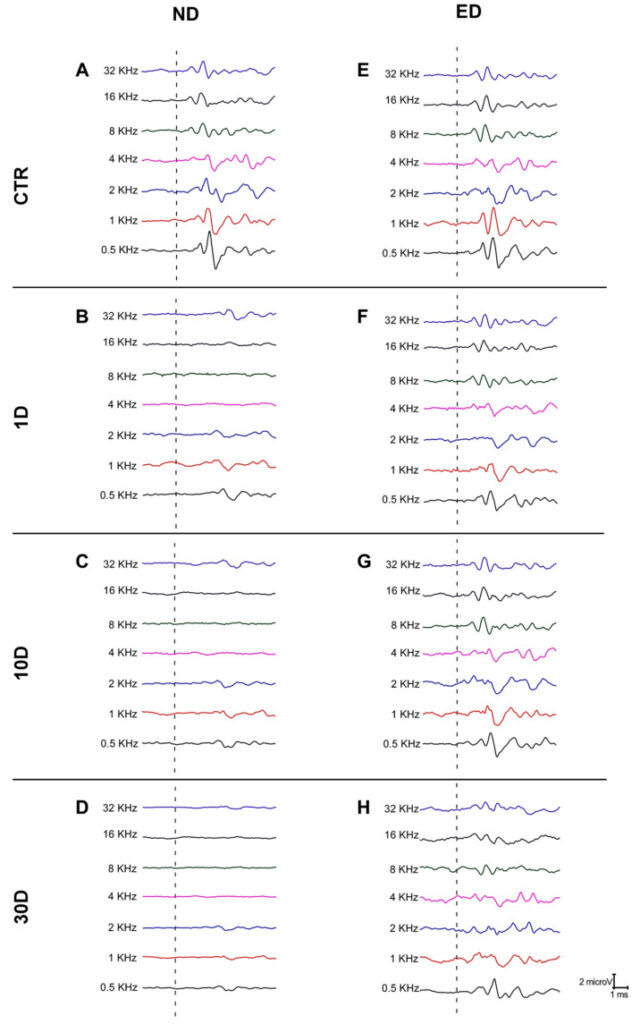
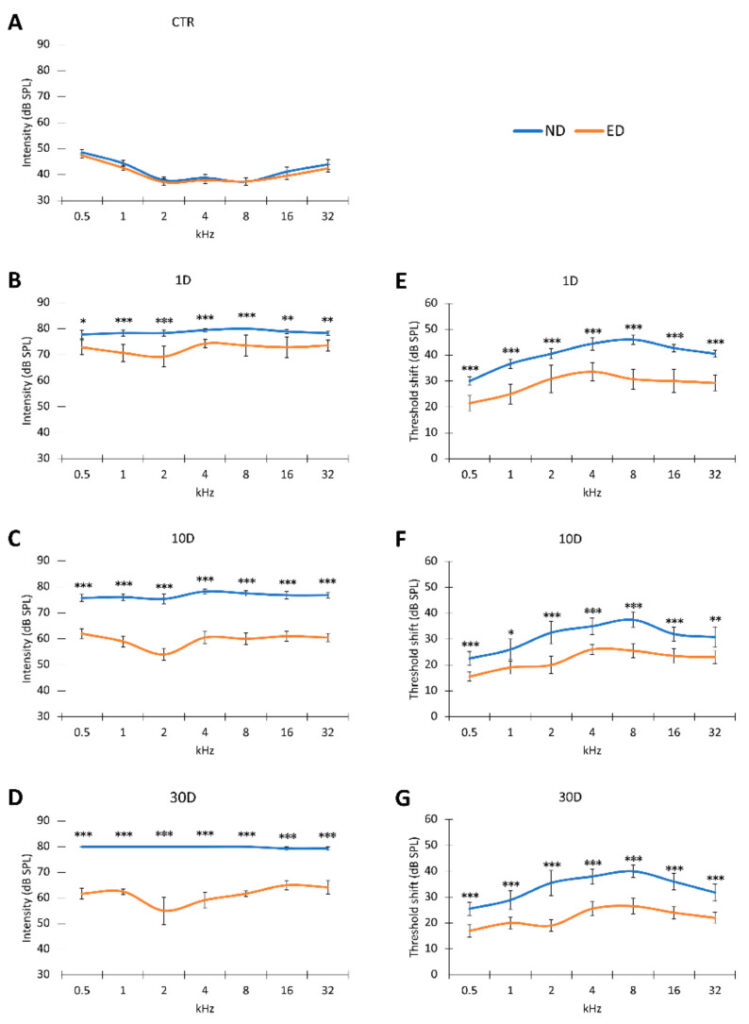
One of the key findings of the study is that oral ACEMg can reduce auditory threshold shifts. Auditory threshold shift refers to the minimum sound intensity required for a person to hear a sound. When exposed to loud noise, the auditory threshold can increase, making it more difficult to hear sounds at normal levels. The study found that by taking ACEMg orally, the rats experienced less of a shift in their auditory thresholds, meaning their hearing was protected from the damaging effects of loud noise.
Improvement of Auditory Function
In addition to reducing auditory threshold shifts, oral ACEMg also improves auditory function. Auditory function refers to how well the ear can detect, process, and interpret sound. The study found that rats that received ACEMg orally had better auditory function compared to those that did not receive the treatment. This means that ACEMg can help maintain or restore normal hearing abilities even after exposure to loud noise.

This image is property of www.ncbi.nlm.nih.gov.

Increased Survival of Sensory Outer Hair Cells
Sensory outer hair cells are specialized cells in the inner ear that play a crucial role in hearing. These hair cells convert sound vibrations into electrical signals that can be interpreted by the brain. Exposure to loud noise can cause damage and death to these hair cells, leading to hearing loss. The study found that rats treated with oral ACEMg had a higher survival rate of sensory outer hair cells compared to those without the treatment. This suggests that ACEMg can help protect these important cells and preserve hearing function.
Modulation of Antioxidant Enzymes
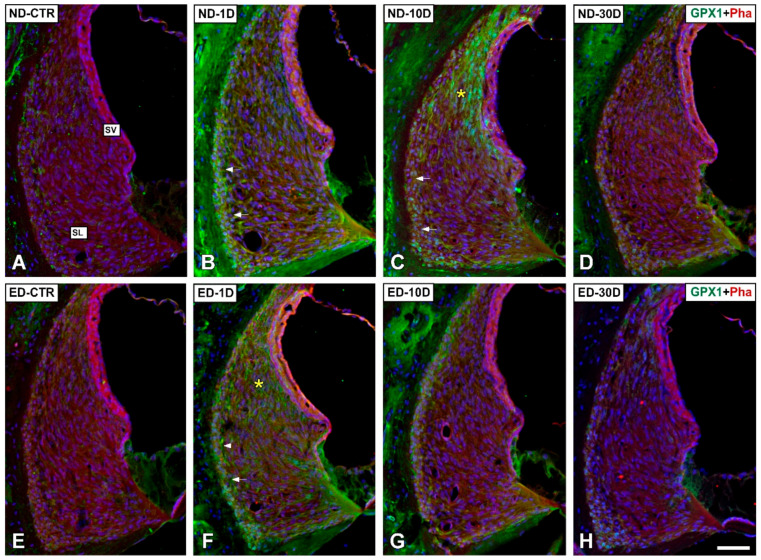
Antioxidant enzymes play a vital role in protecting cells from damage caused by harmful molecules called free radicals. These free radicals can be generated in higher amounts during exposure to loud noise, leading to oxidative stress and damage to the inner ear. The study found that taking ACEMg orally helps modulate the expression of antioxidant enzymes, such as glutathione peroxidase and catalase. By regulating these enzymes, ACEMg can help reduce oxidative stress and protect the inner ear from damage.

This image is property of www.ncbi.nlm.nih.gov.
Regulation of Apoptosis-Related Proteins
Apoptosis refers to the programmed cell death that occurs naturally in the body. However, excessive cell death, including in the sensory hair cells of the inner ear, can lead to irreversible hearing loss. The study found that ACEMg treatment decreases the levels of pro-apoptotic proteins and increases the levels of anti-apoptotic protein. This suggests that ACEMg has a regulatory effect on apoptosis-related proteins, helping to prevent excessive cell death and preserve hearing.
Otoprotective Mechanism
Based on the findings of the study, it is suggested that ACEMg has an otoprotective mechanism. Otoprotection refers to the ability to protect the ear from damage. ACEMg achieves otoprotection by limiting sensory hair cell death, regulating antioxidant enzymes, and controlling apoptosis-related proteins in the cochlea, the part of the inner ear responsible for hearing. By combining these protective mechanisms, ACEMg helps maintain and improve auditory function even after exposure to loud noise.
This image is property of www.ncbi.nlm.nih.gov.
Improvement of Auditory Function
To summarize, oral ACEMg has been shown to improve auditory function by reducing auditory threshold shifts and protecting sensory hair cells from damage. It achieves these effects by modulating antioxidant enzymes and regulating apoptosis-related proteins. Taking ACEMg orally can help protect against noise-induced hearing loss and maintain healthy hearing abilities.
Limitation of Sensory Hair Cell Death
There are specific cells in the inner ear called sensory hair cells that play a crucial role in hearing. However, these hair cells can be damaged or even die due to exposure to loud noise, leading to hearing loss. The study found that oral ACEMg treatment can limit the death of sensory hair cells, increasing their survival rate. This means that by taking ACEMg, the delicate and important cells responsible for hearing can be better protected.
This image is property of www.ncbi.nlm.nih.gov.
Regulation of Antioxidant Enzymes
Antioxidant enzymes are important molecules in the body that help protect cells from damage caused by harmful substances called free radicals. Free radicals can be produced in larger amounts when exposed to loud noise, leading to oxidative stress and damage to the inner ear. The study found that oral ACEMg can regulate the expression of antioxidant enzymes like glutathione peroxidase and catalase. By doing so, ACEMg helps reduce oxidative stress and minimize the damage caused by free radicals, thus preserving the health of the inner ear.
Regulation of Apoptosis-Related Proteins
Apoptosis refers to programmed cell death that occurs naturally in the body. However, when too many cells, including sensory hair cells in the inner ear, die, it can result in permanent hearing loss. The study discovered that ACEMg can regulate apoptosis-related proteins, reducing the levels of proteins that promote cell death and increasing the levels of proteins that protect against cell death. By controlling these proteins, ACEMg helps prevent the excessive death of sensory hair cells and preserves hearing function.
In conclusion, the Effects of Oral ACEMg on Noise-Induced Hearing Loss in Rats study provides valuable insights into the benefits of taking antioxidant vitamins (A, C, and E) and magnesium orally for protecting against hearing loss caused by exposure to loud noise. The study shows that oral ACEMg reduces auditory threshold shifts, improves auditory function, increases the survival of sensory outer hair cells, modulates antioxidant enzymes, and regulates apoptosis-related proteins. By combining these protective effects, ACEMg helps preserve hearing and prevent noise-induced hearing loss. Taking ACEMg orally can be a proactive approach to safeguarding your hearing health.
