
Today, I’m going to share with you some tips from experts on how to keep your ears healthy and your hearing clear. It’s like keeping your toys clean and working well, but this time, it’s about your ears. Tips include things like not putting things in your ears, protecting them from very loud noises, and more. Let’s find out how we can take good care of our ears!
Understanding the Importance of Hearing Health
Our hearing allows us to connect with the world around us. It helps us communicate with others, enjoy our favorite music, and stay aware of the sounds in our environment.
Role of hearing in daily life
Everyday activities like talking with friends, listening to the birds chirping, or hearing a car coming are all possible because of our ability to hear. Without hearing, our connection to our surroundings and other people would be limited.
Effects of hearing loss on overall health
Losing your hearing can affect more than just your ability to listen. It can affect your overall health in many ways. You might find it harder to keep a balance, it can cause tiring more quickly, or even make you feel lonely or sad because it’s more difficult to talk with friends.
Understanding hearing acuity and frequencies
Hearing acuity means how well you can hear. It’s a way of measuring the clarity or sharpness of your hearing. Frequency tells us about the pitch of sound, like how high or low a sound is. Understanding these things can help us know more about our own hearing and how to take care of it.
Recognizing Symptoms of Hearing Loss
Being aware of changes in your hearing can help you get help early.
Early signs of hearing loss
The signs of hearing loss can be different for everyone. Some people might start asking others to repeat themselves more often because they couldn’t understand what was said at first. They might also find it difficult to hear in noisy places.
Different types of hearing loss
There are a few types of hearing loss. Some people are born unable to hear, while others might lose their hearing as they get older. Hearing loss can also happen suddenly because of an illness or a loud noise.
Understanding the degrees of hearing loss
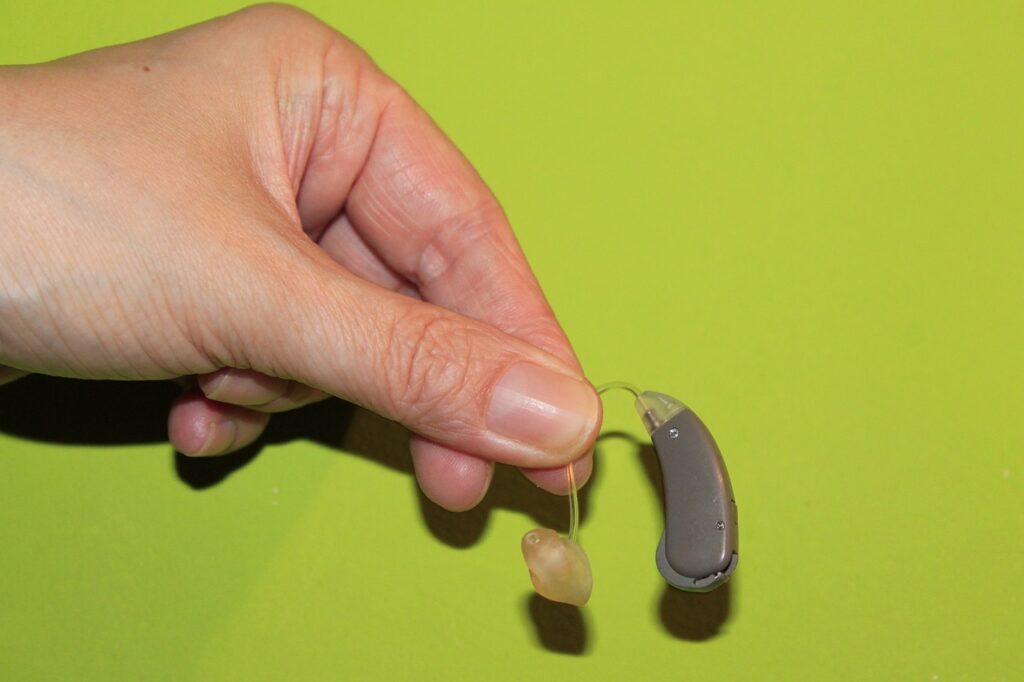
There are different degrees of hearing loss, from slight to profound. You might notice you’re having a bit of trouble hearing, or you might not be able to hear at all. Knowing the degree of your hearing loss can help doctors decide the best way to help you.
Incorporating Healthy Dietary Habits
What we eat can affect our hearing.
Foods that promote hearing health
Eating healthy foods can help keep your hearing strong. Foods like fruits, vegetables, and fish can help protect your hearing.
Impact of vitamins and minerals on hearing
Our body needs vitamins and minerals to stay healthy. They can help keep your ears working correctly, too. For example, Vitamin A can help keep your ear drum healthy, while the mineral potassium helps your ears convert sounds into signals that your brain can understand.
Avoiding food and drink that can damage hearing
Just like some foods can help your hearing, others can hurt it. Try to stay away from very sugary snacks or drinks and foods high in salt.
Avoiding Exposure to Loud Noises
Loud noises can harm our ears.
Effects of noisy environments on hearing
Being in a loud place for a long time can damage your ears and make it harder for you to hear. Think about how your ears might ring after a loud concert – that’s a sign that the noise was too loud for your ears.
Preventing noise-induced hearing loss
To protect your ears, try to stay away from very loud noises. If you can’t avoid them, it’s a good idea to wear things like earplugs that can protect your ears.
Safe noise levels for adult and child hearing
Sounds that are 85 decibels (dB) or more can be harmful. That’s about as loud as a lawnmower. For children, who have more sensitive hearing, sounds should be even quieter.
Benefits of Regular Hearing Checkups
Just like we need to see the dentist to keep our teeth healthy, we should see a hearing professional to keep our ears healthy.
Role of audiologists in assessing hearing health
Audiologists are doctors who know a lot about hearing. They can help find out if there’s anything wrong with your hearing and how to help you hear better.
Frequency of audiology checkups for different age groups
It’s a good idea for grown-ups to check their hearing every 10 years until they reach 50, then every three years after that. For kids, they should have their hearing tested when they’re born, and then a few times while they grow up.
Understanding hearing tests and their results
Hearing tests are not scary. They usually involve listening to different sounds through headphones. The results can help you and your audiologist understand more about your hearing.
Wearing Proper Hearing Protection
Protecting our ears from loud noise can keep our hearing healthy.
Types of hearing protection devices
There are many things that can protect your ears. Earplugs, earmuffs, and noise-cancelling headphones can all help keep your ears safe from loud sounds.
Situations that require hearing protection
You should protect your ears in any loud situation. That might be a concert, a noisy sports game, or even when using loud tools at home.
Dealing with discomfort while wearing hearing protection
Sometimes, things like earplugs might feel uncomfortable. But there are many different types of earplugs, and you might find some that feel better in your ears. Remember, a little discomfort is better than damaging your hearing!

Utilizing Sound Therapy for Hearing Health
Sound therapy involves using sounds to help your hearing.
Understanding sound therapy
Sound therapy can use different types of sounds to help your ears. It might involve listening to soft sounds, or to more complex sounds like white noise.
Benefits of sound therapy
Sound therapy can help your ears learn to pick out important sounds from background noise. This can make it easier for you to understand what people are saying even in a noisy room.
How to practice sound therapy at home
With a grown-up’s help, you can try sound therapy at home. You could listen to soft music or white noise, or even try apps or programs designed for sound therapy.
The Link Between Lifestyle Choices and Hearing
How we live our lives can affect our hearing.
Effect of smoking and alcohol on hearing
Being around smoke or drinking alcohol can hurt your ears and make your hearing worse.
Influence of physical activity on hearing
Exercise keeps your body healthy, and that includes your ears! Regular exercise can help your ears stay in tip-top shape.
Importance of adequate sleep for hearing health
Sleep is important for your whole body, including your ears. Getting plenty of sleep can help your ears rest and recover from the day.
Staying Hydrated For Optimal Hearing
Drinking plenty of water helps our whole bodies, including our ears!
Understanding the link between hydration and hearing
Your body needs water to work properly. That includes the tiny parts inside your ears that help you hear.
How to ensure adequate hydration daily
Drinking lots of water every day can help keep your hearing sharp. You can carry a water bottle with you to remind you to drink enough.
Potential impacts of dehydration on hearing quality
If you don’t drink enough water, your body can get dehydrated. That can make it harder for your ears to work properly and might make your hearing worse.
Managing Stress Levels for Better Hearing
Taking care of our stress can also help our hearing.
The relationship between stress, anxiety and hearing
When we’re stressed or anxious, our bodies are not at their best. That includes our ears. High levels of stress can potentially make hearing loss worse over time.
Stress management techniques for hearing preservation
Doing things that help you relax can be good for your hearing. That might be listening to calming music, doing some deep breathing or anything else that helps you feel calm and relaxed.
Scientific studies supporting the stress-hearing health connection
Scientists have found that people who are less stressed are less likely to have hearing problems. So remember, take care of your stress to take care of your ears!