
This article called “The Impact of Nutrition on Hearing Loss: A Comprehensive Analysis” is all about how the food you eat can affect your ability to hear. Did you know that hearing loss is the fifth leading cause of years lived with disability around the world? It’s true! And there’s a strong connection between what you put into your body and the health of your ears. If you don’t get enough of certain nutrients, it can contribute to hearing loss. But the good news is that there have been studies that show how certain vitamins and supplements can help prevent hearing loss. Hearing loss can affect people of all ages, from children to older adults, and it can have a big impact on their quality of life. So, it’s really important to take care of our hearing by eating right and living a healthy lifestyle. In this article, we’ll learn more about the relationship between nutrition and hearing loss and some suggested supplements that can help.
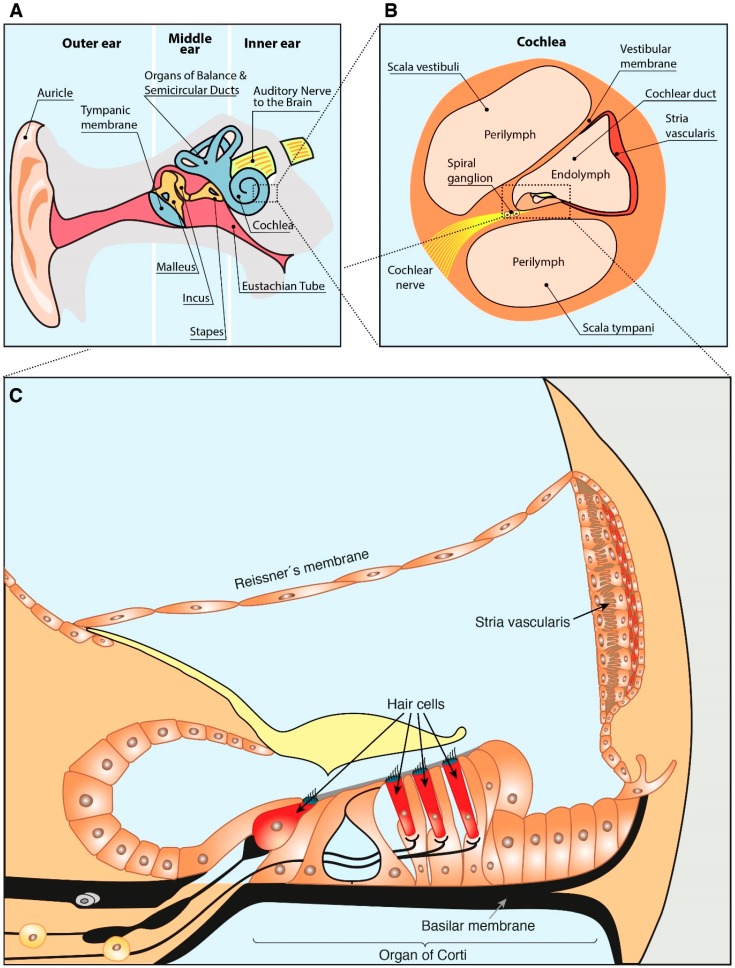
This image is property of www.ncbi.nlm.nih.gov.

The Global Impact of Hearing Loss
Hearing loss is a significant global health issue, ranking as the fifth leading cause of years lived with disability worldwide. This means that it greatly affects people’s lives and their ability to participate fully in society. Hearing loss can occur at any age and can impact individuals across different population segments.
Hearing loss as a leading cause of disability
Hearing loss is considered one of the leading causes of disability because it affects people’s ability to communicate effectively and can lead to social isolation. Everyday activities, such as talking on the phone, participating in conversations, and enjoying music, become challenging for individuals with hearing loss. It can even impact a child’s ability to learn and develop language skills.
Prevalence of hearing loss in different population segments
The incidence of hearing loss varies across different population segments. Approximately 10% of children experience hearing loss, which can affect their speech and language development. As people age, the prevalence of hearing loss increases significantly, affecting nearly 30% of the population over the age of 65. This age-related hearing loss is known as presbycusis.
Consequences of untreated hearing loss
Untreated hearing loss can have significant consequences on an individual’s quality of life. It can lead to feelings of frustration, embarrassment, and social isolation. Many individuals with hearing loss may experience anxiety and depression due to difficulty in communication and a lack of understanding from others. Hearing loss can also affect cognitive functions, making it challenging to concentrate and remember information.
Economic impact of unaddressed hearing loss
Unaddressed hearing loss not only affects individuals personally but also has a considerable economic impact. Globally, unaddressed hearing loss costs approximately 750 billion US dollars annually. This cost includes healthcare expenses, loss of productivity, and reduced earnings. By addressing hearing loss early and providing appropriate interventions, we can not only improve individuals’ lives but also reduce the economic burden caused by hearing impairment.
Understanding the Association between Nutrition and Hearing Loss
Did you know that what you eat can have an impact on your hearing health? There is a strong association between nutrition and hearing loss, and nutrient deficiencies can contribute to the onset and progression of hearing loss. Therefore, paying attention to your diet can be an essential step towards maintaining healthy hearing.
The link between nutrient deficiencies and hearing loss
Certain vitamins and minerals play a crucial role in maintaining the health of our ears. Nutrient deficiencies, such as a lack of vitamin A, vitamin C, omega-3 fatty acids, and zinc, have been linked to an increased risk of hearing loss. These nutrients are essential for the proper functioning and protection of the cells in our ears.
Effects of nutrition on the onset and progression of hearing loss
Proper nutrition throughout our lives can have a significant impact on the prevention and progression of hearing loss. A healthy diet that includes a variety of fruits, vegetables, whole grains, lean proteins, and healthy fats can provide the necessary nutrients to support optimal hearing health. On the other hand, a diet high in processed foods, sugar, and unhealthy fats may contribute to the development of hearing loss.
Exploring the potential of nutritional therapy for prevention
Researchers have explored the potential of nutritional therapy for preventing hearing loss. Several studies have shown promising results in using specific nutrients to reduce the risk of hearing impairment. By including these nutrients in our diet or through dietary supplements, we may be able to protect our hearing and prevent or delay the onset of hearing loss.

The Role of Specific Nutrients in Hearing Health
Certain nutrients have been found to play a crucial role in maintaining good hearing health. Let’s take a closer look at some of these nutrients and their impact on hearing.
Vitamin A and its impact on hearing
Vitamin A is essential for the proper functioning of the cells in our ears. It helps in the production of a protein called retinal, which is involved in converting sound waves into electrical signals that our brain can interpret. A deficiency in vitamin A can lead to hearing problems, including difficulty hearing high-frequency sounds.
Vitamin C’s role in protecting against hearing loss
Vitamin C is known for its immune-boosting properties, but it also plays a role in protecting our hearing. It acts as an antioxidant, helping to neutralize harmful free radicals that can damage the cells in our inner ear. Including vitamin C-rich foods like oranges, strawberries, and broccoli in our diet can help protect our hearing health.
Omega-3 fatty acids and their potential benefits
Omega-3 fatty acids are healthy fats that are crucial for our overall health, including hearing health. They have anti-inflammatory properties and help maintain the integrity of the blood vessels in our ears. Including sources of omega-3 fatty acids such as fatty fish, walnuts, and flaxseeds in our diet can have potential benefits for our hearing.
Zinc and its influence on hearing functions
Zinc is a mineral that plays a role in various bodily functions, including our hearing. It is involved in the metabolism of proteins and DNA repair, crucial for the normal functioning of the cells in our ears. Adequate levels of zinc have been associated with a decreased risk of age-related hearing loss. Good dietary sources of zinc include oysters, beef, and legumes.
Antioxidants and their protective effects
Antioxidants are compounds that help protect our cells from damage caused by harmful free radicals. They play a crucial role in maintaining the health of our ears by reducing oxidative stress. Foods rich in antioxidants, such as berries, green leafy vegetables, and nuts, can help protect against hearing loss caused by oxidative damage.
Scientific Studies on Nutrition and Hearing Loss
Several scientific studies have been conducted to explore the relationship between nutrition and hearing loss. Let’s take a look at some key findings and recommendations from these studies.
Study 1: Findings and implications
One study examined the association between specific nutrients and hearing loss in older adults. The researchers found that individuals with higher dietary intake of vitamin A, vitamin C, omega-3 fatty acids, and zinc had a lower risk of developing age-related hearing loss. These findings suggest that a healthy diet rich in these nutrients could help protect against hearing impairment.
Study 2: Key discoveries and recommendations
Another study investigated the impact of antioxidant vitamins on hearing loss in industrial workers exposed to excessive noise. The researchers found that supplementation with vitamins C and E reduced the incidence and severity of noise-induced hearing loss. Based on these findings, they recommended considering antioxidant supplementation for individuals at risk of noise-induced hearing loss.
Study 3: Insights into the relationship between diet and hearing health
A systematic review of multiple studies examined the relationship between diet and hearing health. The researchers identified a positive association between a healthy diet and better hearing outcomes. They recommended a diet rich in fruits, vegetables, whole grains, lean proteins, and healthy fats to support optimal hearing health.
Study 4: Promising results of nutritional interventions
A randomized controlled trial investigated the effects of a nutritional intervention on hearing loss in older adults. The participants were given a combination of antioxidants and B vitamins or a placebo. The study found that the group receiving the nutritional intervention had a slower decline in hearing compared to the placebo group. These findings suggest that certain nutritional interventions may help slow the progression of age-related hearing loss.
This image is property of pixabay.com.
Recommended Supplements for Hearing Health
In addition to maintaining a healthy diet, certain dietary supplements can provide additional support for hearing health. Here are some recommended supplements and their benefits:
Supplement 1: Benefits and dosage recommendations
- Omega-3 fatty acids supplement: Omega-3 fatty acids have been shown to support optimal hearing health. A daily dosage of 1000-2000 mg of omega-3 fatty acids, obtained from fish oil or algae-based supplements, is recommended for adults.
Supplement 2: Effectiveness and potential side effects
- Vitamin C supplement: Vitamin C is an antioxidant that can help protect against hearing loss. A daily dosage of 500-1000 mg of vitamin C is generally considered safe for most individuals. However, high doses of vitamin C may cause digestive upset in some people.
Supplement 3: Targeted population and usage guidelines
- Zinc supplement: Zinc is essential for maintaining healthy hearing. Daily dosages of 15-30 mg of zinc have been recommended for adults to support optimal hearing health. However, excessive zinc intake can have adverse effects, so it’s essential to follow the recommended dosage guidelines.
Remember, before starting any new supplements, it’s always a good idea to consult with a healthcare professional to ensure they are safe and appropriate for your specific needs.
Impact of Lifestyle Factors on Hearing Loss
In addition to nutrition, several lifestyle factors can influence the risk of hearing loss. Let’s take a look at some of these factors and their effects on hearing health.
Smoking and its influence on hearing
Smoking is known to have numerous detrimental effects on our health, and hearing loss is one of them. Studies have shown that smokers are more likely to experience hearing loss compared to non-smokers. The chemicals in tobacco smoke can damage the delicate cells in our inner ear, leading to hearing impairment.
Alcohol consumption and its effects on auditory functions
Excessive alcohol consumption can also have a negative impact on our hearing health. Alcohol is a known ototoxic substance, meaning it can damage the cells in our ears. Prolonged and excessive alcohol intake can lead to both temporary and permanent hearing loss.
Obesity as a risk factor for hearing loss
Obesity has been identified as a risk factor for various health conditions, including hearing loss. Excess weight can contribute to cardiovascular problems, which can impair blood flow to the ears and affect their proper functioning. Maintaining a healthy weight through a balanced diet and regular exercise can help reduce the risk of obesity-related hearing loss.

This image is property of pixabay.com.
Early Diagnosis and Intervention
Early diagnosis and intervention are crucial in mitigating the impact of hearing loss. Let’s explore why early detection is essential and the various methods of diagnosing and monitoring hearing loss.
Importance of early detection in preserving hearing
Early detection of hearing loss is vital because prompt intervention can help prevent further deterioration and improve outcomes. With early diagnosis, appropriate interventions such as hearing aids, assistive devices, or therapy can be implemented to address the hearing loss and support individuals in their communication needs.
Diagnostic methods for identifying and monitoring hearing loss
Several diagnostic methods can be used to identify and monitor hearing loss. These include:
- Pure-tone audiometry: This test measures an individual’s ability to hear different frequencies (pitches) and volumes (loudness) of sounds.
- Speech audiometry: This test assesses an individual’s ability to understand and repeat spoken words or sentences at different volume levels.
- Otoacoustic emissions (OAE) test: This test measures the sounds that are produced by the inner ear in response to a sound stimulus. It helps determine the integrity of the inner ear structures.
- Tympanometry: This test measures the movement of the eardrum in response to changes in air pressure, helping to assess the condition of the middle ear.
By using a combination of these diagnostic methods, healthcare professionals can accurately diagnose and monitor hearing loss in individuals of all ages.
Intervention options and their effectiveness
Once hearing loss is diagnosed, various intervention options can be considered based on the severity and type of hearing loss. These options include:
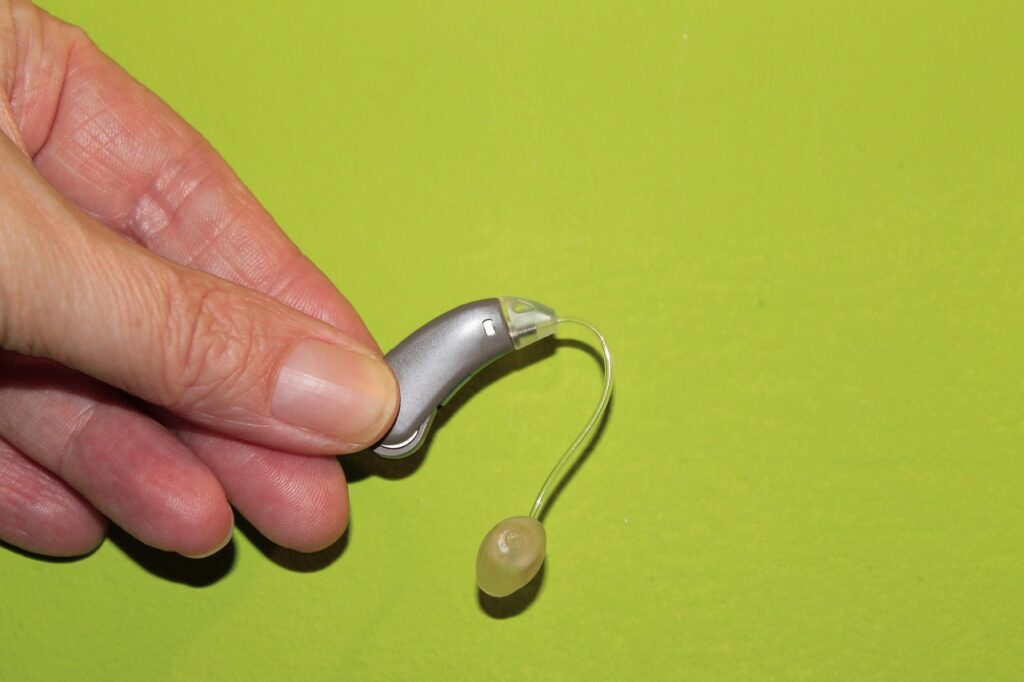
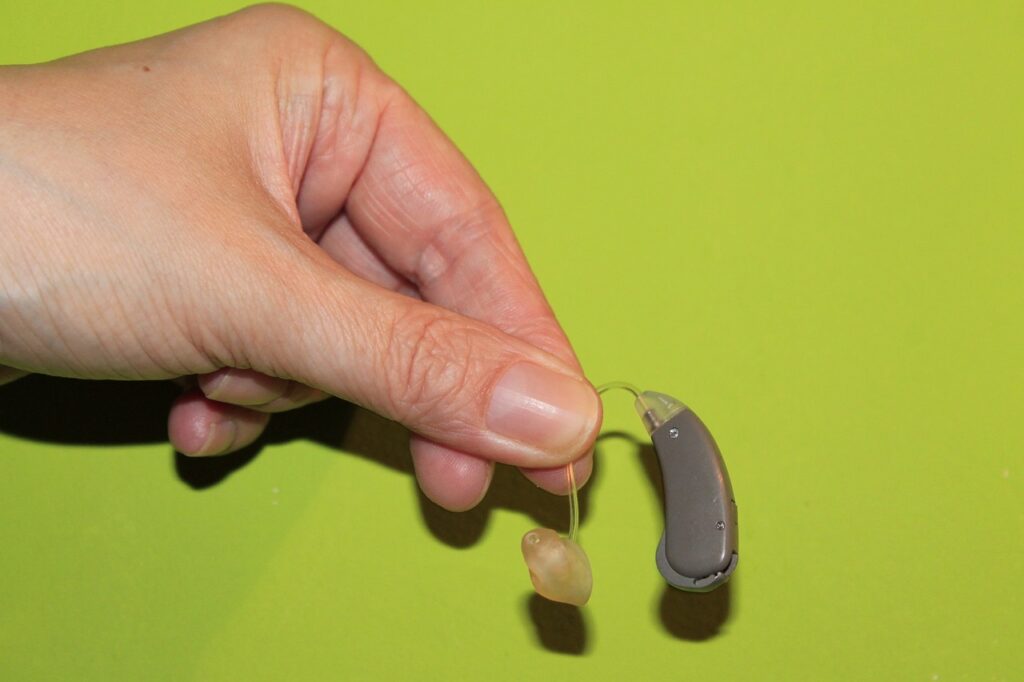
- Hearing aids: Hearing aids are small electronic devices that amplify sounds and help individuals with hearing loss hear more clearly. They are available in various styles and can be customized to meet individual needs.
- Assistive listening devices (ALDs): ALDs are devices that can be used in conjunction with hearing aids or independently. They help individuals hear more clearly in specific listening environments, such as classrooms or theaters.
- Cochlear implants: Cochlear implants are surgically implanted devices that bypass the damaged parts of the inner ear and directly stimulate the auditory nerve, providing a sense of sound to individuals with severe or profound hearing loss.
The effectiveness of these interventions varies depending on individual factors and the specific characteristics of the hearing loss. A hearing healthcare professional can guide individuals in selecting the most appropriate intervention option for their needs.
Improving Quality of Life for Individuals with Hearing Loss
Living with hearing loss can present challenges, but there are strategies and technologies available to improve the quality of life for individuals with hearing loss.
Addressing emotional and psychological impact
Hearing loss can have a significant emotional and psychological impact on individuals. It is essential to address these aspects to support their overall well-being. Counseling, support groups, and therapy can help individuals cope with the emotional effects of hearing loss and develop strategies for managing communication difficulties effectively.
Behavioral adaptations for better communication
Adopting specific communication strategies can help individuals with hearing loss better navigate social interactions. These strategies include:
- Facing the person you are speaking to and maintaining eye contact.
- Speaking clearly and at a moderate pace.
- Asking for repetitions or clarifications when needed.
- Avoiding background noise and finding quieter environments for conversations.
- Using visual cues, such as gestures or facial expressions, to aid understanding.
By implementing these behavioral adaptations, individuals can improve their communication skills and effectively participate in conversations.
Cognitive challenges and strategies for coping
Hearing loss can also impact cognitive functions, such as memory and attention. Individuals with hearing loss may find it challenging to concentrate on conversations, remember information, or filter out background noise. The following strategies can help individuals cope with cognitive challenges:
- Taking breaks during conversations to rest the brain and reduce cognitive overload.
- Using external memory aids, such as note-taking or smartphone apps, to assist with remembering important information.
- Engaging in brain-training exercises and activities to strengthen cognitive functions.
Supportive technologies and devices
Advancements in technology have resulted in various devices to support individuals with hearing loss. These include:
- Telecoil systems: Telecoil-equipped hearing aids and assistive listening devices can connect directly to compatible telephones, public address systems, and induction loop systems, enhancing sound clarity for individuals with hearing loss.
- Captioned telephones: These devices display written captions of the telephone conversation, allowing individuals with hearing loss to read the conversation in real-time.
- Hearing loops: Hearing loops are audio systems that can be installed in public spaces, such as theaters or lecture halls. They transmit sound directly to hearing aids or cochlear implants equipped with telecoil technology, making it easier for individuals with hearing loss to hear speech clearly.
By utilizing these technologies and devices, individuals with hearing loss can enhance their listening experience and improve their overall quality of life.
This image is property of pixabay.com.
Conclusion
In conclusion, the impact of nutrition on hearing loss is significant, highlighting the importance of maintaining a healthy diet rich in essential nutrients. Specific vitamins, minerals, and antioxidants play a crucial role in supporting optimal hearing health. Scientific studies have shown the potential of nutritional interventions in preventing or slowing the progression of hearing loss. However, it’s essential to consult with a healthcare professional before starting any new supplements.
Lifestyle factors, such as smoking, alcohol consumption, and obesity, also contribute to hearing loss risk. By adopting a healthy lifestyle, individuals can reduce their risk of developing hearing impairment.
Early diagnosis and intervention are vital to mitigate the impact of hearing loss. Diagnostic methods and intervention options, such as hearing aids and assistive devices, can help individuals manage their hearing loss and improve their communication abilities.
Improving the quality of life for individuals with hearing loss involves addressing emotional and psychological aspects, adopting behavioral adaptations, coping with cognitive challenges, and utilizing supportive technologies and devices.
Moving forward, it is crucial to continue research in the field of nutrition and hearing loss to further understand the relationship and optimize prevention and intervention strategies. Embracing a holistic approach to hearing health, encompassing nutrition, lifestyle factors, diagnosis, intervention, and emotional support, is key to promoting overall well-being for individuals with hearing loss.
