
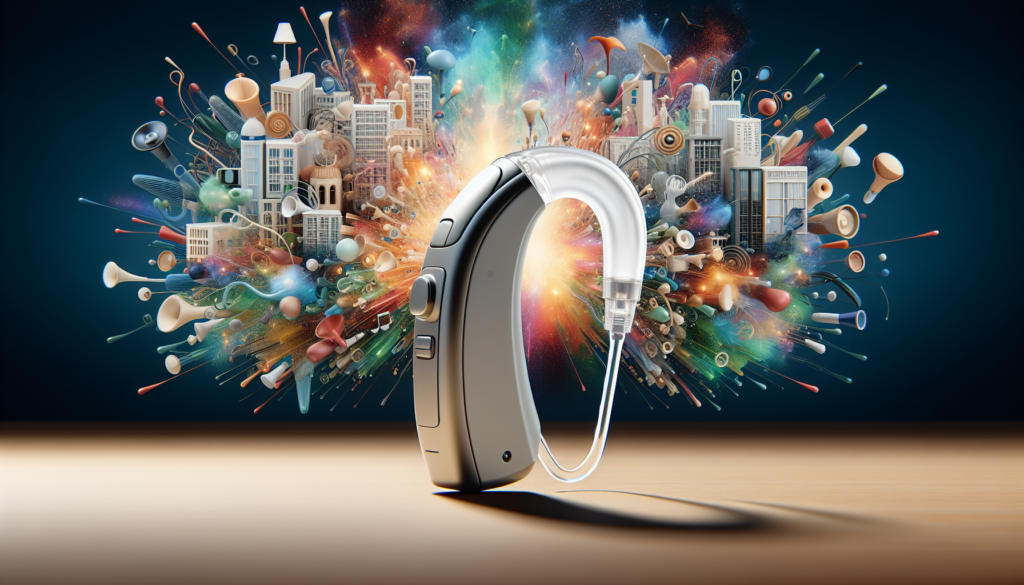
Are you tired of missing out on the important conversations happening around you? Do you find yourself constantly struggling to hear the TV or the phone? If so, it may be time to consider a hearing aid. Choosing the perfect hearing aid for your lifestyle can be a daunting task, but fret not, for we are here to help. In this article, we will provide you with all the information you need to make an informed decision. From understanding different types of hearing aids to finding the right fit for your lifestyle, we will guide you every step of the way. So, let’s embark on this journey together and find the perfect hearing aid that will enhance your quality of life.
Factors to Consider in Choosing a Hearing Aid

Degree of Hearing Loss
When choosing a hearing aid, the first factor to consider is the degree of your hearing loss. This will determine the type and power of the device you need. It is essential to have a comprehensive hearing evaluation conducted by an audiologist or hearing aid specialist to accurately assess your hearing loss and make an informed decision.
Style and Design
Another important factor to consider is the style and design of the hearing aid. There are several options available, including behind-the-ear (BTE), in-the-ear (ITE), in-the-canal (ITC), completely-in-canal (CIC), and receiver-in-canal (RIC) or receiver-in-the-ear (RITE) hearing aids. Each style has its pros and cons, and the choice depends on your personal preferences and specific hearing needs.
Functionality and Features
The functionality and features of a hearing aid can greatly enhance your listening experience. It is crucial to consider the technology and features offered by different hearing aid models. Some common features include directional microphones, noise reduction, speech enhancement, feedback suppression, telecoil, loop systems, and programmable settings. Think about which features are essential for your lifestyle and choose a hearing aid that caters to those needs.
Budget and Pricing
Budget is an important consideration when choosing a hearing aid. Prices can vary significantly depending on the brand, model, and features of the device. It is essential to establish a realistic budget and explore different options within that range. Keep in mind that some hearing aids may be covered by insurance or assistance programs, so it is worth investigating those options as well.
Battery Life and Maintenance
Consider the battery life and maintenance requirements of a hearing aid before making a decision. Some hearing aids use disposable batteries, while others have rechargeable batteries. Take into account your lifestyle and daily activities to determine which option is more convenient for you. Additionally, consider the maintenance involved in keeping the hearing aid in optimal condition, such as cleaning and changing filters.
Understanding Your Lifestyle and Hearing Needs
Assessing Your Daily Activities
To choose the right hearing aid, it is important to assess your daily activities and how they may impact your hearing. Think about the environments you frequently find yourself in, such as work, social gatherings, or outdoor activities. Consider whether you primarily communicate in quiet settings or if you frequently encounter background noise.
Identifying Specific Hearing Challenges
Identifying your specific hearing challenges will help determine which features and technology are crucial for your hearing aid. For example, if you have difficulty hearing conversations in noisy environments, you may need a hearing aid with advanced noise reduction capabilities. Understanding your particular hearing challenges will guide you in selecting the most suitable device.
Social Interactions and Communication Demands
Consider your social interactions and communication demands when choosing a hearing aid. Think about your personal and professional relationships and how your hearing loss affects those interactions. If you frequently engage in phone conversations, consider a hearing aid with phone compatibility features. If you often attend meetings or presentations, look for a device that enhances speech clarity.
Types of Hearing Aids and Their Suitability
Behind-the-Ear (BTE) Hearing Aids
BTE hearing aids are worn behind the ear and are suitable for various degrees of hearing loss. They are known for their durability, power, and versatility. BTE hearing aids are especially beneficial for individuals with dexterity or vision issues, as they are easier to handle and maintain. They can accommodate a range of features and can be easily connected to other devices.
In-the-Ear (ITE) Hearing Aids
ITE hearing aids are custom-made to fit within the outer portion of the ear. They are suitable for mild to severe hearing loss and are more discreet compared to BTE devices. ITE hearing aids are available in different sizes, from full shell to half shell, and offer a variety of features and controls. They are generally easy to insert and remove and provide a comfortable fit.
In-the-Canal (ITC) Hearing Aids
ITC hearing aids are custom-made to fit partially inside the ear canal. They are suitable for mild to moderate hearing loss and offer a more discreet appearance than BTE or ITE models. ITC hearing aids are less visible and provide a natural sound experience due to their placement closer to the eardrum. They may have some limitations on the availability of certain advanced features.
Completely-in-Canal (CIC) Hearing Aids
CIC hearing aids are the smallest and most discreet type of hearing aids available. They sit entirely inside the ear canal, making them virtually invisible. CIC hearing aids are custom-made to fit the shape of your ear canal and are suitable for mild to moderate hearing loss. Due to their small size, they may have limitations on battery life, features, and controls.
Receiver-in-Canal (RIC) or Receiver-in-the-Ear (RITE) Hearing Aids
RIC or RITE hearing aids are similar to BTE hearing aids but with the speaker or receiver located inside the ear canal. This design provides a more natural sound and reduces the occlusion effect. RIC/RITE hearing aids are suitable for various degrees of hearing loss and offer a wide range of features and controls. They are known for their discreet appearance and comfortable fit.
Special Considerations for Active Lifestyles
Water and Sweat Resistance
If you lead an active lifestyle or enjoy water-related activities, consider a hearing aid that offers water and sweat resistance. Some hearing aids have an IP (Ingress Protection) rating that indicates their level of resistance against water, dust, and sweat. Look for devices with higher IP ratings to ensure they can withstand exposure to moisture without compromising performance.
Secure Fit and Durability
For active individuals, a secure fit and durability are essential factors to consider. Look for hearing aids that come with secure earmolds or custom-fit options to ensure they stay in place during physical activities. Additionally, consider the durability of the device, as it may be subjected to more wear and tear. Robust and well-built hearing aids are more likely to withstand the demands of an active lifestyle.
Bluetooth and Wireless Connectivity
If you frequently use Bluetooth devices or wireless technology, it is important to choose a hearing aid that offers seamless connectivity. Bluetooth-enabled hearing aids allow you to stream audio, phone calls, and other media directly from your compatible devices. This feature enhances your listening experience and enables you to stay connected and engaged in various activities.
Selecting the Right Features for Your Lifestyle
Directional Microphones
Directional microphones are a valuable feature in hearing aids, especially in noisy environments. They focus on sounds coming from the front while reducing background noise from other directions. This feature helps enhance speech intelligibility, making it easier to understand conversations in challenging listening situations.
Noise Reduction and Speech Enhancement
Many hearing aids offer noise reduction and speech enhancement features. Noise reduction algorithms analyze the sound environment and reduce unwanted noise, improving speech clarity. Speech enhancement features selectively amplify speech sounds, making it easier to follow conversations, even in noisy surroundings.
Feedback Suppression
Feedback, also known as whistling or squealing sounds, can occur when sound leaks from the ear canal back into the microphone of the hearing aid. Feedback suppression technology helps to minimize or eliminate these annoying sounds, providing a more comfortable listening experience.
Telecoil and Loop Systems
Telecoil technology allows hearing aid users to connect to compatible telephone systems, assistive listening devices, and loop systems. Loop systems, commonly found in theaters, auditoriums, or places of worship, transmit sound directly to the user’s hearing aid, eliminating background noise and improving clarity.
Programmable Settings and Customization
Having programmable settings and customization options in a hearing aid allows you to tailor the device to your specific hearing needs. Different listening environments may require different settings, and the ability to adjust settings or switch between pre-programmed modes can greatly enhance your overall listening experience.
Seeking Professional Guidance
Consulting an Audiologist or Hearing Aid Specialist
When choosing a hearing aid, it is crucial to seek professional guidance from an audiologist or hearing aid specialist. They have the expertise and knowledge to assess your hearing needs, recommend suitable devices, and help you make an informed decision. Their professional guidance ensures that you select a hearing aid that best suits your lifestyle, degree of hearing loss, and specific requirements.
Getting a Comprehensive Hearing Evaluation
Before purchasing a hearing aid, it is essential to undergo a comprehensive hearing evaluation. This evaluation will provide a detailed assessment of your hearing abilities and determine the type and degree of hearing loss. The results of the evaluation will guide the audiologist or hearing aid specialist in recommending the most appropriate hearing aid for your specific needs.
Exploring Different Brands and Models
It is beneficial to explore different brands and models of hearing aids before making a final decision. Each brand may offer different features, designs, and pricing options. Visiting multiple hearing aid providers and trying out different devices will give you a better understanding of the available options and help you choose the one that suits you best.
Trial Period and Return Policy
Before making a final commitment, inquire about trial periods and the return policy offered by the hearing aid provider. A trial period allows you to test the device in various environments and ensure that it meets your expectations. Understanding the return policy beforehand can provide peace of mind, knowing that you have the option to return or exchange the hearing aid if needed.
User-Friendly Hearing Aid Accessories
Remote Controls and Smartphone Apps
Some hearing aids come with remote controls or smartphone apps that allow you to adjust settings, switch between modes, and control other features. These accessories offer convenience and ease-of-use, allowing you to make adjustments on the go without needing to physically touch the hearing aids.
Caring for Your Hearing Aid
Proper care and maintenance are crucial in ensuring the longevity and optimal performance of your hearing aid. Consider investing in cleaning tools and accessories specifically designed for hearing aids. Regularly clean your hearing aids, change filters if necessary, and follow the manufacturer’s guidelines for maintenance and care.
Storage and Travel Cases
Having a dedicated storage case or travel case for your hearing aids can protect them from damage and prolong their lifespan. These cases offer a safe and secure place to store your hearing aids when they are not in use, reducing the risk of accidental damage or loss.
Cleaning Tools and Accessories
Cleaning tools and accessories are essential in keeping your hearing aids clean and free from debris. Invest in a cleaning kit that includes a brush, wax loop, and other tools recommended for your specific hearing aids. Regular cleaning will help ensure optimal sound quality and prevent potential issues caused by dirt or wax buildup.
Considering Connectivity and Compatible Devices
Hearing Aid Compatibility with Devices
When choosing a hearing aid, consider its compatibility with your existing devices. If you frequently use smartphones, tablets, or other Bluetooth-enabled devices, ensure that the hearing aid you select can connect seamlessly to these devices. Compatibility allows for more convenient and efficient use of the hearing aid’s wireless features.
Streaming Audio and Phone Calls
Many modern hearing aids offer Bluetooth connectivity, allowing you to stream audio directly from your smartphone, tablet, or other devices. This feature enables you to enjoy music, podcasts, and phone calls directly through your hearing aids. Consider whether streaming audio and phone calls are important to you and choose a hearing aid that offers this functionality.
TV and Multimedia Connectivity
If you enjoy watching TV, movies, or other multimedia content, consider a hearing aid that offers TV and multimedia connectivity. Some hearing aids allow you to connect wirelessly to your TV or audio devices, providing a more immersive and personalized listening experience. This feature can significantly enhance your enjoyment of multimedia content while wearing your hearing aids.
Financing Options and Insurance Coverage
Exploring Payment Plans and Assistance Programs
Hearing aids can be a significant investment, so it is important to explore different payment plans and assistance programs that may be available to you. Some hearing aid providers offer financing options that allow you to spread the cost over time. Additionally, there may be assistance programs or organizations that provide financial aid for individuals in need of hearing aids.
Insurance Coverage for Hearing Aids
Check with your insurance provider to determine whether your policy covers hearing aids. Some insurance plans offer partial or full coverage for hearing aids, while others may have specific limitations or requirements. Understanding your insurance coverage will help you plan your budget and make an informed decision.
Warranty and Repair Services
When purchasing a hearing aid, inquire about the warranty and repair services provided by the manufacturer or hearing aid provider. A comprehensive warranty can provide peace of mind, knowing that your device will be protected against any manufacturing defects. Additionally, consider the availability and quality of repair services, as hearing aids may require maintenance or repairs over time.
The Importance of Regular Check-ups and Adjustments
Follow-up Appointments and Rehabilitation
After purchasing a hearing aid, it is essential to schedule follow-up appointments with your audiologist or hearing aid specialist. These appointments allow for adjustments and fine-tuning of the hearing aid settings to ensure optimal comfort and performance. Additionally, your provider can offer guidance on rehabilitation strategies and techniques to help you adapt to your new hearing aid.

Evaluating Comfort and Performance
Regular check-ups provide an opportunity to evaluate the comfort and performance of your hearing aid. If you experience any discomfort or notice changes in your hearing, it is important to address these issues during your appointments. Your provider can make necessary adjustments to ensure that your hearing aid fits properly and delivers the best possible sound quality.
Adjusting Settings and Fine-tuning
As your hearing needs or preferences may change over time, it is crucial to have the flexibility to adjust the settings and fine-tune your hearing aid. Regular check-ups allow your provider to make any necessary adjustments based on your feedback and evolving hearing requirements. This ensures that your hearing aid continues to meet your needs and provides an optimal listening experience.
In conclusion, choosing the perfect hearing aid for your lifestyle involves considering various factors such as the degree of hearing loss, style and design, functionality and features, budget and pricing, and battery life and maintenance. Understanding your lifestyle and hearing needs, as well as the different types of hearing aids available, can help you make an informed decision. Special considerations for active lifestyles include water and sweat resistance, secure fit and durability, and Bluetooth and wireless connectivity. Selecting the right features for your lifestyle, seeking professional guidance, and considering accessories, connectivity, financing options, and insurance coverage are also important factors to consider. Finally, regular check-ups and adjustments ensure that your hearing aid continues to meet your specific needs and provides the best possible listening experience. By taking these factors into account, you can choose a hearing aid that enhances your quality of life and helps you stay connected to the world around you.
