

Are you struggling with hearing loss and unsure which hearing aid features are best for you? In this article, we will guide you through the process of choosing the right hearing aid features based on your specific type of hearing loss. With a combination of empathy, accurate information, and a call to action, we aim to provide you with the knowledge and confidence to make an informed decision about your hearing health. Whether you have conductive, sensorineural, or mixed hearing loss, we have got you covered. Let’s explore the world of hearing aid features together and find the perfect fit for you.

Understanding Different Types of Hearing Loss
Millions of people around the world experience hearing loss, which can greatly impact their daily lives. It is important to understand the different types of hearing loss in order to find the right solutions and improve your quality of life.
Conductive Hearing Loss
Conductive hearing loss occurs when there is a problem with the outer or middle ear, preventing sound from reaching the inner ear. This can be caused by conditions such as ear infections, wax build-up, or structural abnormalities.
Sensorineural Hearing Loss
Sensorineural hearing loss is the most common type of hearing loss and occurs when there is damage to the inner ear or the auditory nerve. This can be caused by aging, exposure to loud noise, certain medications, or medical conditions such as diabetes.
Mixed Hearing Loss
As the name suggests, mixed hearing loss is a combination of both conductive and sensorineural hearing loss. This means that there may be both a problem with sound conduction to the inner ear and damage to the inner ear or auditory nerve.
Identifying Your Type of Hearing Loss
If you are experiencing hearing loss, it is important to consult a medical professional such as a doctor or an audiologist who specializes in hearing health. They will be able to accurately diagnose your type of hearing loss through a comprehensive evaluation.
Consulting a Doctor or Audiologist
A doctor or audiologist will review your medical history and conduct a physical examination of your ears. They may also ask you about any symptoms you are experiencing, such as ringing in the ears or difficulty understanding conversations. This information will help them determine the underlying cause of your hearing loss.
Taking a Hearing Test
In addition to a physical examination, a hearing test will also be conducted to evaluate your hearing abilities. During a hearing test, you will wear headphones and listen to a series of tones at different frequencies and volumes. You will be asked to indicate when you can hear the tones, allowing the audiologist to determine your hearing thresholds.


Key Features to Consider
Once you have identified your type of hearing loss, it is important to consider the key features and technologies available in hearing aids that can address your specific needs.
Amplification
Amplification is a fundamental feature of hearing aids that increases the volume of sounds. It is especially important for individuals with conductive hearing loss, as it helps overcome any blockage or difficulty in sound conduction.
Frequency Range
The frequency range refers to the range of sounds that a hearing aid can amplify. Different individuals with hearing loss may have difficulty hearing different frequencies, so it is important to choose a hearing aid with a frequency range that aligns with your specific hearing needs.
Directional Microphones
Directional microphones are designed to enhance the quality of sound by focusing on sounds coming from the front while reducing background noise. This feature can be beneficial for individuals with all types of hearing loss, as it can improve speech understanding in noisy environments.
Background Noise Management
Background noise management is a feature that helps reduce the impact of background noise, making it easier to hear and understand conversations. This is particularly important for individuals with sensorineural hearing loss, as they may struggle with background noise more than others.
Speech Enhancement
Speech enhancement technology is specifically designed to improve the clarity and quality of speech sounds, making conversations easier to understand. This feature can be helpful for individuals with all types of hearing loss, as it focuses on enhancing speech without amplifying other background noises.
Feedback Suppression
Feedback suppression technology helps to eliminate whistling or feedback sounds that can occur when wearing a hearing aid. This is an important feature for individuals with all types of hearing loss, as it ensures a comfortable and clear listening experience.
Telecoil System
A telecoil system is a feature that allows hearing aid users to connect to compatible telephones, loop systems, and other assistive listening devices. This is primarily beneficial for individuals with sensorineural hearing loss, as it can greatly improve telephone conversations and accessibility in public places with loop systems.
Bluetooth Connectivity
Bluetooth connectivity is a feature that enables hearing aid users to wirelessly connect to their smartphones, televisions, and other audio devices. This feature can be beneficial for individuals with all types of hearing loss, as it allows for a seamless and convenient listening experience.
Rechargeable Batteries
Rechargeable batteries eliminate the need for constantly changing disposable batteries in hearing aids. This is a convenient feature for individuals with all types of hearing loss, as it ensures that their devices are always powered and ready to use.
Design and Comfort
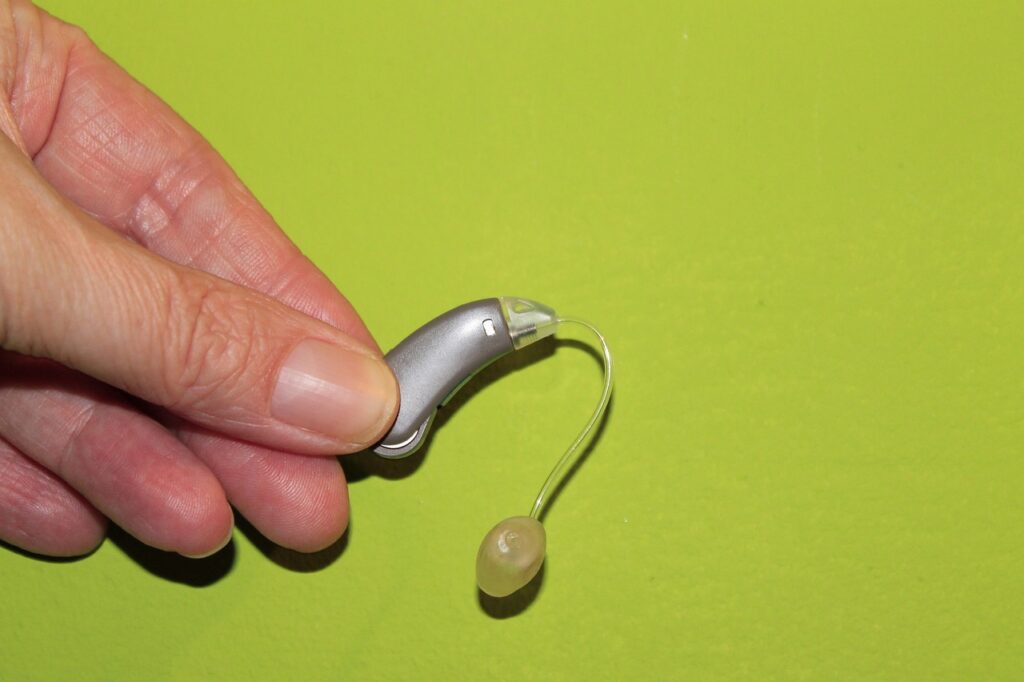
The design and comfort of a hearing aid are important factors to consider. It is essential to choose a style and size that fits well and feels comfortable for extended periods of wear. Some hearing aids come in discreet styles that are barely visible, while others may have a behind-the-ear design for added comfort and stability.
Choosing the Right Features for Conductive Hearing Loss
If you have conductive hearing loss, it is important to focus on specific features that address the blockage or difficulty in sound conduction.
Focus on Amplification and Frequency Range
Conductive hearing loss often requires amplification to overcome any issues with sound conduction. Choosing a hearing aid with adjustable amplification levels and a frequency range that covers the specific frequencies you have difficulty hearing will be beneficial in improving your hearing abilities.
Consider Directional Microphones and Background Noise Management
Directional microphones and background noise management features can also be helpful for individuals with conductive hearing loss. These technologies will enhance speech understanding by reducing background noise, allowing for clearer and more focused listening experiences.
Choosing the Right Features for Sensorineural Hearing Loss
For individuals with sensorineural hearing loss, it is important to prioritize features that address the damage to the inner ear or auditory nerve.
Focus on Speech Enhancement and Feedback Suppression
Speech enhancement technology can significantly improve the clarity and quality of speech sounds for individuals with sensorineural hearing loss. The ability to suppress feedback sounds is also crucial to ensure a comfortable listening experience.
Consider Directional Microphones and Background Noise Management
Directional microphones and background noise management features should also be considered for individuals with sensorineural hearing loss. These features will help reduce the impact of background noise and improve speech understanding in various listening environments.
Choosing the Right Features for Mixed Hearing Loss
For individuals with mixed hearing loss, a combination of features for both conductive and sensorineural loss is essential.
Combining Features for Conductive and Sensorineural Loss
Amplification and frequency range features should address the conductive hearing loss aspect, while speech enhancement and feedback suppression features will help with the sensorineural hearing loss component. Directional microphones and background noise management should also be considered to improve overall hearing abilities.

Determining the Importance of Telecoil System and Bluetooth Connectivity
While telecoil systems and Bluetooth connectivity may not directly address specific types of hearing loss, they offer additional benefits that should be considered.
Benefits of Telecoil System
A telecoil system can greatly improve telephone conversations and enhance accessibility in public places that are equipped with loop systems. If telephone conversations and public accessibility are important to you, choosing a hearing aid with a telecoil system would be beneficial.
Benefits of Bluetooth Connectivity
Bluetooth connectivity allows for seamless wireless connections to smartphones, televisions, and other audio devices. This feature can enhance your overall listening experience and make it easier to connect to various devices in your daily life.
Considering Rechargeable Batteries for Convenience
For individuals who value convenience and ease of use, rechargeable batteries can be a great option.
Advantages of Rechargeable Batteries
Rechargeable batteries eliminate the need for constantly buying and changing disposable batteries. With a simple charging station, you can ensure that your hearing aids are always powered and ready to use, making your life easier and more convenient.
Prioritizing Design and Comfort
The design and comfort of a hearing aid are important factors to consider, as they can greatly impact your overall wearing experience.
Finding a Style and Size that Fits Well
Hearing aids come in various styles and sizes, allowing you to find one that suits your preferences and needs. From behind-the-ear designs to nearly invisible options, you can choose a style that fits comfortably and is aesthetically pleasing for you.
Considering Additional Comfort Features
Some hearing aids offer additional comfort features such as moisture resistance, adjustable settings, or custom moldings. These features can contribute to a more comfortable and personalized experience, so it is important to consider them when choosing a hearing aid.
Conclusion
Choosing the right combination of features for your type of hearing loss is essential in improving your quality of life. By understanding the different types of hearing loss and considering the specific needs and challenges associated with each, you can make an informed decision when selecting a hearing aid. Whether it’s amplification, frequency range, directional microphones, or other advanced technologies, finding the right features will greatly enhance your ability to hear and communicate effectively. Invest in your hearing health and embrace the world of sound with the perfect hearing aid features for you.
