
In “The Complete Guide to a Hearing Aid Fitting,” you’ll discover everything you need to know about this crucial step in your journey to improved hearing. This comprehensive guide aims to provide you with accurate information while also empathizing with your experience. From what to expect during the fitting process to the benefits of hearing aid devices, this article will empower you to make informed decisions about your hearing health. So, let’s dive in and explore the exciting world of hearing aids, together!
Understanding the Importance of a Hearing Aid Fitting

1.1 The Role of a Hearing Aid
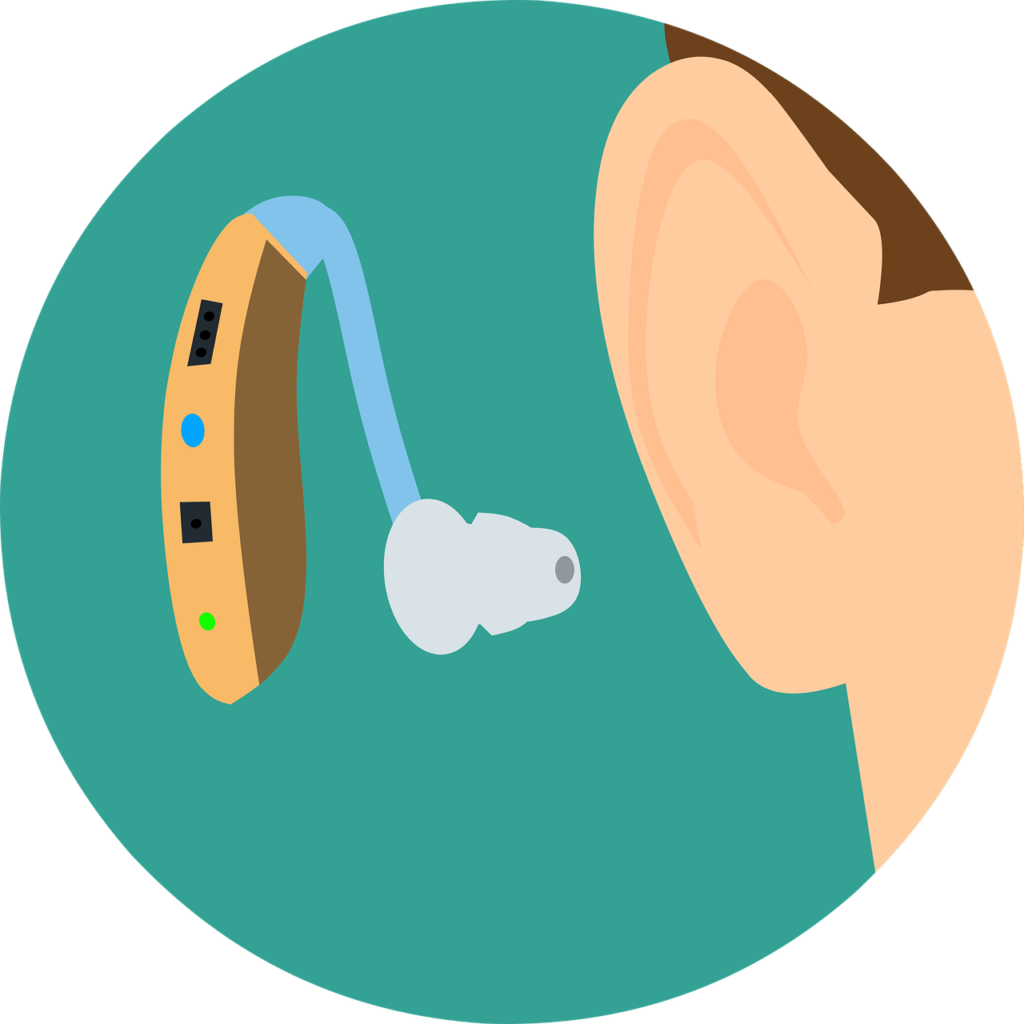
A hearing aid is a small electronic device that amplifies sound and helps individuals with hearing loss improve their ability to hear and communicate effectively. It consists of a microphone, amplifier, and speaker, which work together to process and deliver sound to the user’s ear. The main purpose of a hearing aid is to make sounds louder and clearer, enabling individuals to navigate their daily lives with greater ease.
1.2 Benefits of a Properly Fitted Hearing Aid
Getting a hearing aid fitting is crucial to ensure that the device performs optimally and provides maximum benefit. A properly fitted hearing aid offers several advantages, including:
-
Improved Speech Perception: Hearing aids can enhance the clarity of speech, allowing you to understand conversations more easily, both in quiet and noisy environments.
-
Enhanced Quality of Life: By restoring your ability to hear various sounds, a well-fitted hearing aid can significantly improve your overall quality of life. It allows you to reconnect with your loved ones, engage in social activities, and enjoy everyday experiences to the fullest.
-
Increased Safety and Awareness: With a properly fitted hearing aid, you can regain awareness of your surroundings, including important sounds like alarms, sirens, and approaching vehicles. This helps ensure your safety and the safety of those around you.
-
Mental and Emotional Well-being: Untreated hearing loss can lead to feelings of isolation, frustration, and even depression. By addressing your hearing loss through a fitting, you can reduce these negative emotions and improve your mental and emotional well-being.
-
Cognitive Benefits: Studies have shown that wearing hearing aids can potentially slow down cognitive decline associated with untreated hearing loss, reducing the risk of conditions like dementia and Alzheimer’s disease.
2. Preparing for a Hearing Aid Fitting
2.1 Scheduling an Appointment
Before your hearing aid fitting, it is important to schedule an appointment with a qualified audiologist. Audiologists are trained professionals who specialize in assessing and treating hearing loss. When scheduling your appointment, consider selecting a reputable and experienced audiologist who can provide personalized care and guidance throughout the fitting process.
2.2 Gathering Relevant Information
To make the most out of your hearing aid fitting appointment, gather any relevant information about your hearing health and medical history. This may include previous audiological evaluations, records of prior hearing aid use, and any medical conditions or medications that may impact your hearing.
2.3 Preparing Questions for the Audiologist
Preparing a list of questions for your audiologist can help ensure that you address all your concerns and receive the information you need during your appointment. Consider asking questions about the different hearing aid options, their benefits, and how to maintain and care for the device. This will help you make an informed decision and feel confident in your choice of hearing aid.
3. The Audiologist’s Evaluation
3.1 Initial Consultation and Medical History
During your hearing aid fitting appointment, the audiologist will begin by conducting an initial consultation to understand your hearing needs and goals. They will ask about your medical history, any symptoms or concerns you may have, and the impact of hearing loss on your daily life. This crucial step allows the audiologist to gain a comprehensive understanding of your unique situation and tailor the fitting process accordingly.

3.2 Physical Examination of the Ear
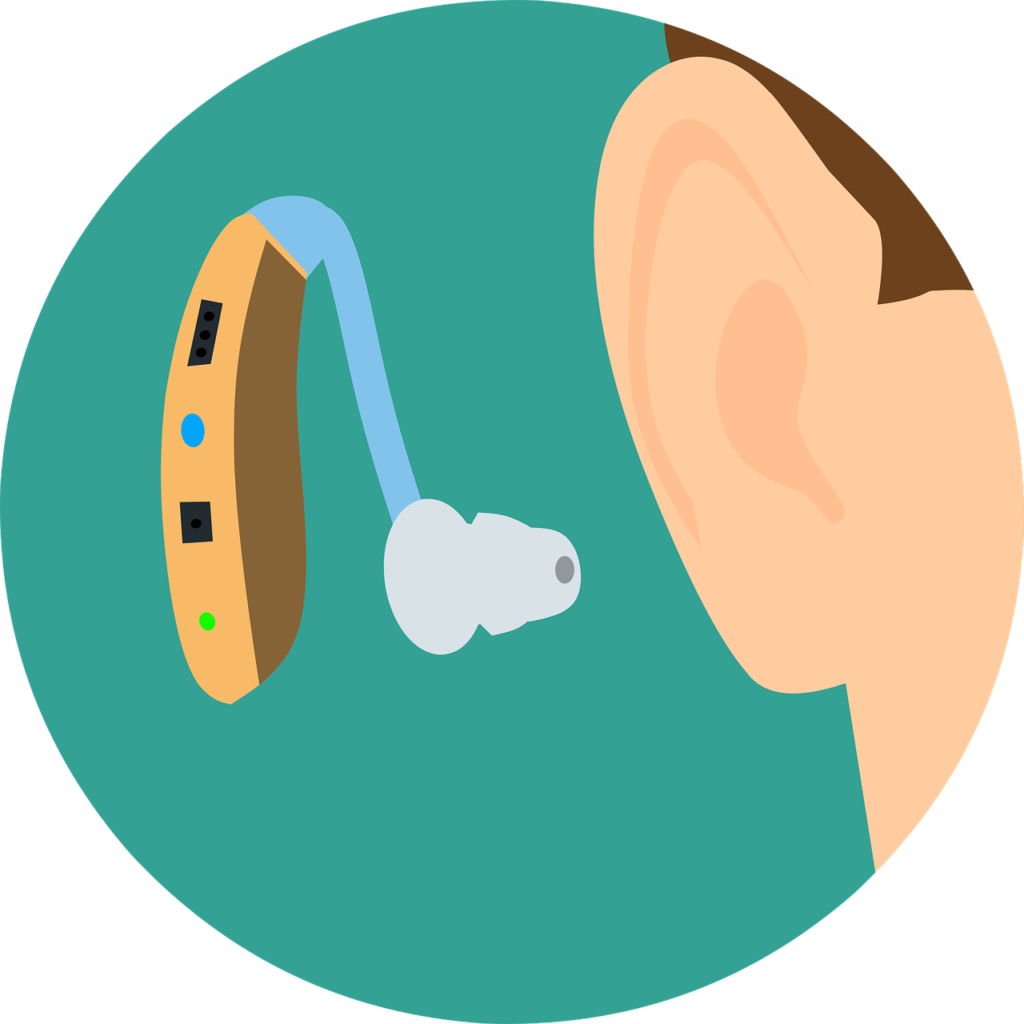
Next, the audiologist will perform a physical examination of your ears to assess their overall health and identify any potential abnormalities or obstructions that may affect the fitting process. This examination may involve using an otoscope to examine the ear canal and eardrum.
3.3 Audiometric Testing
Audiometric testing, also known as a hearing evaluation, is a series of tests designed to measure your hearing ability and determine the extent and nature of your hearing loss. These tests typically include pure-tone audiometry, which assesses your ability to hear different pitches, and speech audiometry, which evaluates your ability to understand speech at varying volumes. The results of these tests will guide the audiologist in selecting the most appropriate hearing aid for your needs.
4. Selecting the Right Hearing Aid
4.1 Understanding Different Hearing Aid Styles
There are various styles of hearing aids available, including behind-the-ear (BTE), in-the-ear (ITE), and completely-in-the-canal (CIC) options. Each style offers different benefits and considerations, such as size, visibility, and ease of use. Your audiologist will discuss these options with you, considering your hearing needs, lifestyle, and personal preferences, to determine the most suitable style for you.
4.2 Considerations for Personal Needs and Preferences
When selecting a hearing aid, it’s important to consider your specific hearing needs and preferences. Factors to consider may include the degree of your hearing loss, the presence of any additional features or accessories you may require, and your budget. Communicate openly with your audiologist about your lifestyle and expectations, as this will help guide the selection process and ensure the hearing aid aligns with your individual needs.
4.3 Discussing Technology Features
Modern hearing aids come equipped with various advanced features and technologies that can enhance your listening experience. These features may include noise reduction, directional microphones, Bluetooth connectivity, and telecoil compatibility. Your audiologist will discuss these technology options with you and help you understand how they can improve your hearing and address specific challenges you may encounter in different environments.
5. Impressions and Customization
5.1 Taking Ear Impressions
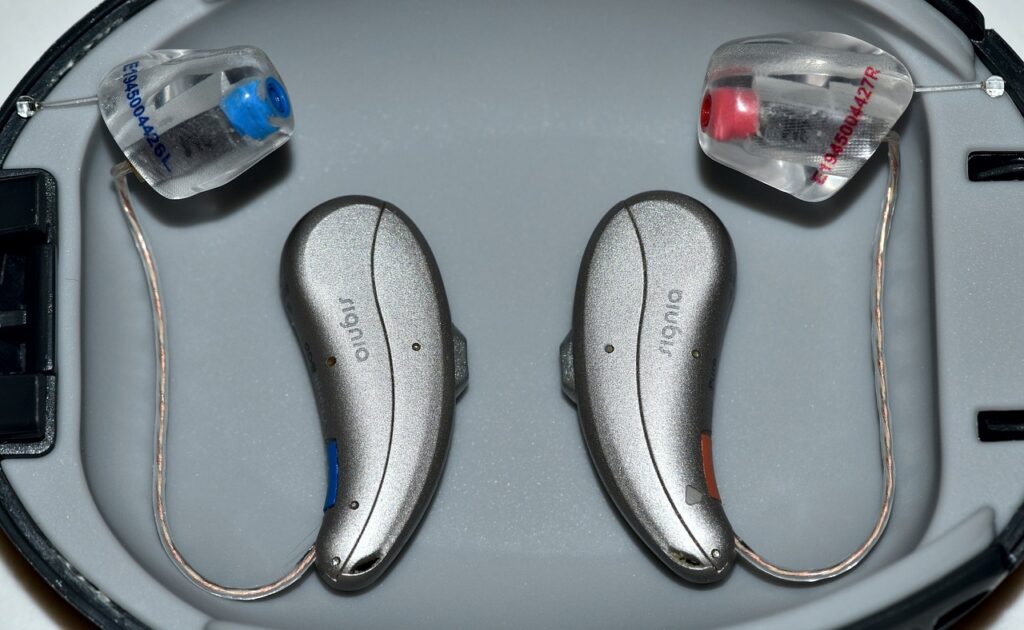
To create a custom-fit hearing aid, the audiologist will take ear impressions. This involves using a soft putty-like material to make a mold of your ear canal. The impressions are then used to create a custom earmold or shell that fits the unique contours of your ear, ensuring a comfortable and secure fit.

5.2 Understanding the Importance of Custom-Fit
A custom-fit hearing aid is crucial for achieving optimal performance and comfort. It helps reduce feedback (whistling) and ensures that the sound delivered by the hearing aid is properly directed into your ear canal. By eliminating gaps and providing a secure fit, a custom-fit hearing aid also helps prevent slippage or discomfort during everyday activities.
5.3 Evaluating Comfort and Secure Fit
Once your custom-fit hearing aid is ready, the audiologist will test the device to ensure it fits correctly and comfortably. They will check for any signs of pressure or discomfort and make any necessary adjustments to optimize the fit. It is important to communicate any concerns or discomfort you may experience during this process, as it helps the audiologist make the necessary modifications for a better fit.
6. Fitting and Programming the Hearing Aid
6.1 Overview of Fitting Process
The fitting process involves programming the hearing aid to meet your specific hearing needs. The audiologist will adjust the settings on the hearing aid based on the results of your audiometric testing and your individual preferences. They utilize specialized software and equipment to fine-tune various parameters such as amplification levels, frequency response, and dynamic range.
6.2 Adjusting Amplification Levels
During the fitting process, the audiologist will adjust the amplification levels of the hearing aid to compensate for your specific hearing loss. This ensures that sounds are adequately amplified to reach your auditory system without being uncomfortably loud. The audiologist may also perform real-ear measurement to verify the accuracy of the amplification levels and make further adjustments if necessary.
6.3 Programming Specific Listening Programs
Modern hearing aids often feature multiple listening programs designed for different environments, such as quiet settings, noisy restaurants, or music concerts. Your audiologist will discuss these options with you and program the hearing aid accordingly, allowing you to switch between programs based on your current listening needs and preferences.
6.4 Verifying Proper Functioning
Once the hearing aid has been fitted and programmed, the audiologist will conduct a series of tests to ensure that it is functioning optimally. This may include speech recognition testing, pure-tone testing, and real-world listening scenarios. By verifying the proper functioning of the device, the audiologist can ensure that it is providing the necessary amplification and sound quality for your specific hearing requirements.
7. Practicing with the Hearing Aid
7.1 Getting Familiar with the Device
After the fitting process, it is important to spend time getting familiar with your new hearing aid and its features. Take the time to read the user manual provided by the audiologist and understand how to operate and adjust your hearing aid. Handling the device regularly will help you gain confidence in using it and make any necessary adjustments as you adapt to your improved hearing.
7.2 Learning Proper Insertion and Removal
Proper insertion and removal of your hearing aid are essential for both comfort and effective performance. The audiologist will guide you on the correct technique for inserting and removing the device, ensuring a proper seal in your ear canal. Practice this technique under their guidance until you feel comfortable doing it independently.
7.3 Recognizing and Adjusting to New Sounds
As you begin wearing your hearing aid in real-world situations, you may notice new sounds or certain sounds becoming more pronounced. This is a normal part of the adjustment process. Your brain needs time to adapt to these sounds, so be patient and give yourself time to acclimate. If certain sounds are too overwhelming, consult with your audiologist about adjusting the settings to make them more comfortable.
8. Troubleshooting and Maintenance
8.1 Common Issues and Solutions
While hearing aids are sophisticated devices, occasional troubleshooting may be necessary to address any issues that may arise. Common issues include feedback, poor battery life, or difficulties with Bluetooth connectivity. Your audiologist will provide you with a troubleshooting guide to help you troubleshoot minor problems at home. For more complex issues, consult with your audiologist for professional assistance.
8.2 Cleaning and Caring for the Hearing Aid
Regular cleaning and maintenance are vital for preserving the performance and longevity of your hearing aid. Your audiologist will provide you with detailed instructions on how to properly clean and care for your device. This may involve cleaning the earmold or shell, changing filters, and removing any accumulated earwax. By following these care instructions, you can ensure that your hearing aid remains in good condition and functions optimally.
8.3 Battery Replacement and Handling
Hearing aids typically use disposable batteries, which require periodic replacement. Your audiologist will educate you on the specific battery type and how to change it correctly. They may also provide you with information on battery life expectancy and tips for conserving battery power. It is important to handle batteries with care and store them in a cool and dry place to maintain their effectiveness.
9. Follow-Up Appointments and Adjustments
9.1 Importance of Follow-up Visits
After the initial fitting, follow-up appointments are crucial to monitor your progress and address any concerns or adjustments needed. These appointments allow your audiologist to fine-tune the settings of your hearing aid based on your feedback and experiences. Regular follow-up visits also provide an opportunity to discuss any emerging hearing needs or changes in your hearing health.
9.2 Fine-Tuning and Adjustments
During the follow-up visits, the audiologist may make further adjustments to optimize the performance of your hearing aid. This may include refining amplification settings, adjusting specific program modes, or modifying features to better meet your individual preferences and needs. Fine-tuning the hearing aid ensures that it continues to provide the best possible experience as your hearing and lifestyle evolve.
9.3 Addressing Personal Feedback and Concerns
Follow-up appointments are a valuable forum for expressing any personal feedback or concerns you may have about your hearing aid. Your audiologist is there to address these concerns and provide support and guidance. Effective communication with your audiologist is essential for a successful fitting experience, as it enables them to tailor the hearing aid to your specific needs and ensure your overall satisfaction.
10. Living with a Hearing Aid
10.1 Adapting to Everyday Life with a Hearing Aid
Living with a hearing aid requires a period of adjustment and adaptation. Initially, you may feel overwhelmed by the sudden influx of sounds. It is important to be patient with yourself and give yourself time to adapt. Start by wearing your hearing aid for short periods in familiar environments, gradually increasing the duration and exposure to different sounds. With time and practice, your brain will adjust, and your improved hearing will become a seamless part of your everyday life.
10.2 Communicating with Others
A hearing aid can significantly improve your ability to communicate with others, but it may still require some adjustments to ensure optimal effectiveness. When conversing with others, make sure to position yourself in well-lit areas where you can clearly see the speaker’s face and gestures. Additionally, inform your conversation partners about your hearing loss and ask them to speak clearly and directly toward you. Utilize any assistive listening devices or smartphone apps recommended by your audiologist to further enhance your communication experience.
10.3 Taking Care of Overall Hearing Health
While a hearing aid can greatly improve your hearing, adopting other healthy habits can also contribute to your overall hearing health. Minimize exposure to loud noises, wear hearing protection in noisy environments, and practice good ear hygiene by avoiding the use of cotton swabs or other objects in your ears. Regular check-ups with your audiologist and adherence to their recommendations will help ensure the long-term well-being of your hearing and the optimal performance of your hearing aid.
In conclusion, a hearing aid fitting is a crucial step towards improving your hearing and overall quality of life. Through the expertise of an audiologist, the fitting process addresses your unique hearing needs, selects the appropriate hearing aid style, adjusts and customizes the device, and provides ongoing support and follow-up care. By following the comprehensive guide outlined above, you can embark on a successful hearing aid fitting journey, experiencing the benefits of improved hearing and enhanced communication abilities.
