
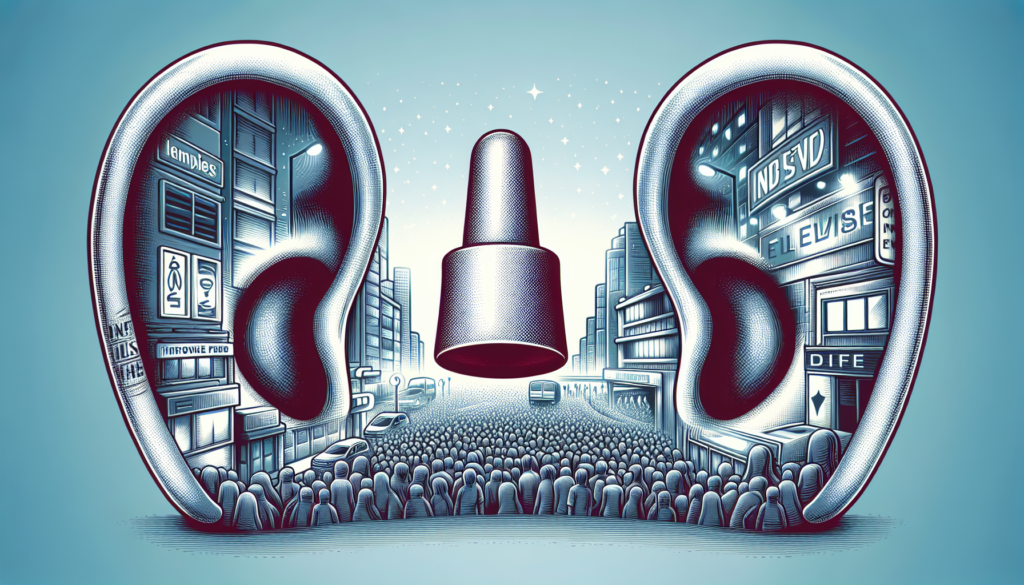
Hey there! We all love a good night out at a concert or a bustling city street, but have you ever stopped to think about the impact of all that noise on your precious ears? Well, worry no more, because today we’ve got the ultimate guide just for you on how to protect your hearing in those noisy environments. From practical tips to cutting-edge solutions, we’ve got you covered. So, grab a cup of tea, sit back, and let’s dive into the wonderful world of hearing protection!

Understanding Noise-Induced Hearing Loss
Noise-induced hearing loss (NIHL) refers to the gradual or sudden damage to your hearing ability due to exposure to loud sounds or noise. This type of hearing loss can be caused by both occupational and recreational noise. NIHL occurs when the delicate hair cells in your inner ear, responsible for translating sound waves into electrical signals, become damaged or destroyed. This damage can result in a range of symptoms, including difficulty hearing conversations, ringing in the ears (tinnitus), and even complete hearing loss.
Definition and Causes of Noise-Induced Hearing Loss
Noise-induced hearing loss occurs when you are exposed to loud sounds or noise over an extended period of time. These loud sounds can come from various sources, such as machinery, power tools, live concerts, or recreational activities like shooting or using personal music players at high volumes. The decibel (dB) level of sound determines its potential to cause hearing damage. Prolonged exposure to sounds above 85 dB can lead to hearing loss.
Common Myths and Misconceptions about Hearing Loss
There are several misconceptions about hearing loss that can hinder people from taking necessary precautions. One common myth is that only older individuals experience hearing loss. In reality, people of all ages can be affected by noise-induced hearing loss. Another myth is that hearing loss is always permanent and irreversible, when in fact, early intervention and proper protection measures can prevent further damage or even restore some hearing ability. It’s important to separate fact from fiction and educate yourself about the true risks and prevention methods.
Importance of Protecting Your Hearing
Protecting your hearing is crucial to maintaining your overall well-being. Hearing loss can significantly impact your quality of life, making it difficult to communicate, enjoy music, or even perform daily tasks. It can also lead to social isolation, cognitive decline, and increased risk of accidents. By prioritizing your hearing health and implementing effective protection measures, you can minimize the risk of noise-induced hearing loss and preserve your ability to fully engage with the world around you.
Identifying Noisy Environments
Being able to identify noisy environments is the first step in protecting your hearing. When you are aware of the potential risks, you can take appropriate measures to safeguard your ears.
Decibel Levels and Their Impact on Hearing
Decibel levels help quantify the intensity of sound. Knowing the decibel levels of different sounds can help you understand their potential impact on your hearing. For example, sounds at 85 dB can be tolerable for short durations, but prolonged exposure can be harmful. Remember that the louder the sound and the longer your exposure, the greater the risk to your hearing.
Workplaces with High Noise Levels
Many workplaces expose employees to high noise levels that can lead to hearing damage over time. Construction sites, factories, airports, and music venues are just a few examples of work environments where excessive noise is common. If you work in such an environment, it’s essential to follow safety regulations, wear appropriate hearing protection, and take regular breaks from the noise to give your ears a rest.
Recreational Activities with Potential Hearing Risks
Recreational activities can also put your hearing at risk. Whether you enjoy attending concerts, participating in loud sporting events, or engaging in hobbies like shooting or riding motorcycles, it’s important to be aware of the noise levels associated with these activities. Taking precautions, such as using earplugs or earmuffs, can help reduce the risk of noise-induced hearing loss and allow you to enjoy these activities without compromising your hearing health.
Implementing Hearing Protection Measures
Once you have identified potential noisy environments, it’s essential to take proactive steps to protect your hearing. There are various hearing protection devices available that can help safeguard your ears in different situations.
Choosing the Right Hearing Protection Devices
Selecting the appropriate hearing protection devices depends on the level of noise you are exposed to and your personal comfort preferences. Earplugs, earmuffs, and custom-made hearing protectors are some of the options available. Understanding the features and benefits of each type of device can help you make an informed choice.
Earplugs: Types, Features, and Proper Usage
Earplugs are small inserts that fit into the ear canal, reducing the intensity of sound entering the ear. They come in different forms, such as foam, silicone, or wax. Foam earplugs are widely used and offer a snug fit, while silicone or wax earplugs are reusable and moldable. Proper insertion and fit are crucial for effective protection, so make sure to follow the manufacturer’s instructions.
Earmuffs: Types, Features, and Proper Usage
Earmuffs are another popular hearing protection option. They consist of cushioned ear cups that cover the ears, creating a seal to reduce the entry of loud sounds. Earmuffs vary in design and features, including adjustable headbands, electronic noise-canceling capabilities, or integrated communication systems. Ensuring a proper fit and wearing earmuffs consistently in noisy environments are essential for optimal protection.
Custom-Made Hearing Protectors: Benefits and Process
For individuals who require a personalized fit, custom-made hearing protectors offer a tailored solution. These devices are created based on impressions of your ears, ensuring a precise fit and maximum comfort. Custom-made hearing protectors are particularly beneficial for those with unique ear shapes or specific occupational needs. Consultation with a hearing healthcare professional is usually necessary to obtain custom hearing protectors.
Additional Hearing Protection Accessories
In addition to earplugs and earmuffs, there are other accessories that can enhance your hearing protection. For example, noise-canceling headphones and earbuds are designed to reduce background noise and provide a more enjoyable listening experience. Some models even offer built-in volume limiters to prevent excessive sound exposure. It’s important to choose reputable brands and regularly inspect and maintain these accessories for optimum effectiveness.
Practicing Safe Listening Habits
Incorporating safe listening habits into your daily routine is essential for long-term hearing health. By following volume guidelines, utilizing noise-canceling technology, and maintaining a safe distance from loud sources, you can reduce the risk of noise-induced hearing loss.
Volume and Time Duration Guidelines
Experts recommend following the 60/60 rule to protect your hearing. This means using personal listening devices, such as smartphones or MP3 players, at no more than 60% of the maximum volume for a maximum of 60 minutes a day. Taking breaks to rest your ears between prolonged listening sessions is also beneficial.
Using Noise-Canceling Headphones and Earbuds
Noise-canceling headphones and earbuds can significantly reduce background noise, allowing you to listen to music or audio content at lower volumes. These devices use active or passive technology to block out external sounds, reducing the need for higher volume settings. Investing in a quality pair of noise-canceling headphones or earbuds can enhance your listening experience while protecting your hearing.
Maintaining a Safe Distance from Loud Sound Sources
Keeping a safe distance from loud speakers, machinery, or other noisy equipment can minimize sound exposure. Position yourself away from the source of noise whenever possible. When attending concerts or sporting events, consider choosing seating arrangements that are farther away from loudspeakers for optimal hearing protection. Additionally, using barriers or isolating yourself from noisy areas can help reduce the impact of sound on your ears.
Protecting Your Ears at Work
Workplaces with high noise levels pose a significant risk to your hearing. Understanding your occupational noise exposure limits, advocating for necessary hearing protection, and following safety guidelines are essential for protecting your ears on the job.
Knowing Your Occupational Noise Exposure Limits
Regulatory bodies have established specific noise exposure limits for different industries and job roles. These limits detail the maximum permissible level of noise an employee can be exposed to during a work shift. Familiarize yourself with the noise exposure limits relevant to your occupation and ensure that your employer complies with these standards to safeguard your hearing health.
Employer’s Responsibility in Providing Hearing Protection
Employers have a legal obligation to provide appropriate hearing protection for their employees when noise levels exceed permissible limits. This includes conducting noise assessments, implementing engineering controls where possible, and supplying suitable hearing protection devices. If you work in a noisy environment and your employer has not taken sufficient measures to protect your hearing, it’s important to address this issue with them and seek assistance from occupational health and safety authorities if necessary.
Tips for Hearing Safety in Noisy Work Environments
In addition to employer responsibilities, there are steps you can take to protect your hearing in noisy work environments. Avoid unnecessary exposure to loud machinery or equipment by seeking quieter alternatives or using soundproofing materials. Properly wearing and maintaining your hearing protection devices is crucial for their effectiveness. Regularly check your hearing protection for wear and tear, and replace them as needed. Stay vigilant about your hearing health and report any changes in your ability to your employer or healthcare professional promptly.
Protecting Your Ears during Recreational Activities
Recreational activities often involve exposure to loud sounds that can pose a risk to your hearing. Whether you enjoy attending concerts, participating in sports, or using personal music players, taking proactive steps to protect your ears is essential.
Recognizing Hearing Risks in Recreational Settings
Certain recreational settings carry a higher risk of noise-induced hearing loss. Concerts, music festivals, and sporting events are examples where the combination of high volume levels and duration of exposure can be damaging to your ears. It’s crucial to be aware of the risks associated with these activities and take appropriate protective measures to avoid hearing damage.
Tips for Hearing Safety during Sporting Events
Sporting events, particularly those held in large stadiums or arenas, can expose you to significant noise levels. Consider wearing noise-canceling earmuffs or earplugs specifically designed for sporting activities to reduce the impact of loud cheers, music, or announcements. Pay attention to any signs of hearing discomfort, such as ringing in the ears or muffled sounds, and promptly remove yourself from the noisy area if necessary.
Hearing Protection in Concerts and Music Festivals
Attending live concerts and music festivals can be exhilarating, but it’s important to protect your hearing amidst the loud music and crowd noise. Use earplugs specifically designed for music concerts to reduce the overall volume without sacrificing sound quality. Some earplugs are specifically designed to attenuate high-frequency sounds, preserving the clarity of the music while still offering hearing protection.
Preventing Hearing Damage while Using Headphones
Listening to music through headphones or earbuds is a common practice, but it can also be harmful if not done responsibly. Avoid turning the volume up too high, and take regular breaks from continuous headphone use to give your ears a rest. If you use in-ear headphones, be sure to clean them regularly to prevent wax buildup, which can interfere with their effectiveness.
Maintaining Ear Care and Health
Good ear care practices are essential for maintaining healthy hearing. By adopting regular cleaning practices, avoiding harmful methods, and seeking professional evaluation and treatment when necessary, you can protect your ears and prevent potential complications.
Regular Ear Cleaning Practices
Cleaning your ears regularly is important to prevent the buildup of earwax, which can lead to blockages and affect your hearing. However, it’s crucial to clean your ears safely and avoid pushing objects into the ear canal, as this can cause damage. Simply using a damp cloth to clean the outer ear or rinsing the ear gently with warm water is usually sufficient.
Avoiding Q-tips and Other Harmful Methods
Q-tips and other similar objects should never be inserted into the ear canal. While it may seem like these items can help remove earwax, they can push the wax deeper into the ear or even cause injury. If you experience excessive earwax or ear discomfort, it’s best to consult a healthcare professional who can safely remove the wax or provide appropriate treatment.
Seeking Professional Evaluation and Treatment
Regular check-ups with a hearing healthcare professional are important for maintaining ear health and detecting any early signs of hearing loss. If you notice changes in your ability to hear or experience persistent symptoms like tinnitus, it’s essential to seek professional evaluation and treatment. A hearing healthcare professional can assess your hearing, provide guidance on prevention and protection measures, and recommend appropriate treatment options if necessary.
Promoting Hearing Protection in the Community
Raising awareness about noise-induced hearing loss and advocating for hearing protection policies are important steps in ensuring the hearing health of individuals in the community. By educating parents about children’s hearing health and engaging in conversations about hearing loss prevention, we can collectively reduce the impact of noise-induced hearing loss.
Raising Awareness about Noise-Induced Hearing Loss
Many individuals are unaware of the risks associated with noise-induced hearing loss and the importance of protecting their hearing. Raising awareness through public campaigns, educational programs, and social media platforms can help spread accurate information, dispel myths, and encourage individuals to prioritize their hearing health.
Advocating for Hearing Protection Policies
Advocacy for hearing protection policies can help ensure that individuals are adequately protected from noise-induced hearing loss in various settings. Encourage your local government or educational institutions to implement guidelines and regulations related to noise exposure in workplaces, schools, and recreational areas. By empowering decision-makers to prioritize hearing health, we can create safer environments for all.
Educating Parents about Children’s Hearing Health
Children are particularly vulnerable to noise-induced hearing loss, as their ears are still developing. It’s essential to educate parents about the risks and preventive measures they can take to protect their children’s hearing. Discourage the use of personal music players at high volume, encourage the use of appropriate hearing protection during loud events, and educate parents about the signs of hearing loss in children. Early intervention is key in addressing any hearing issues and preventing long-term consequences.

Empowering Yourself through Knowledge
Recognizing early signs of hearing loss, understanding available hearing aid technologies, and overcoming stigma are crucial steps in empowering yourself to take action and prioritize your hearing health.
Recognizing Early Signs of Hearing Loss
Being able to recognize the early signs of hearing loss is essential for prompt intervention. Symptoms such as difficulty understanding conversations, needing to turn up the volume on electronic devices, or frequently asking others to repeat themselves may indicate the presence of hearing loss. If you notice any changes in your hearing ability, it’s important to consult a hearing healthcare professional for a comprehensive evaluation.
Understanding the Available Hearing Aid Technologies
Hearing aids are advanced devices designed to amplify sounds and enhance hearing ability for individuals with hearing loss. There are various types and models of hearing aids available, each with unique features and benefits. Understanding the available technologies, such as digital processing, wireless connectivity, and rechargeable options, can help you make an informed decision when considering hearing aids.
Overcoming Stigma and Seeking Help
Many individuals hesitate to seek help for their hearing loss due to the stigma associated with wearing hearing aids. It’s important to understand that hearing loss is a common condition that can affect anyone. Overcoming the stigma and seeking professional advice is the first step toward reclaiming your hearing health and enjoying an improved quality of life. Remember, wearing hearing aids can significantly enhance your ability to communicate and engage with the world around you.
Taking Action and Getting Your Hearing Checked
Taking action to protect your hearing and getting your hearing checked regularly are essential for maintaining optimal hearing health. Regular hearing evaluations can detect any changes in your hearing ability and provide guidance on prevention, protection options, and treatment if necessary. By proactively addressing your hearing health, you can ensure that you continue to enjoy the sounds of life to the fullest.
Conclusion
In conclusion, understanding and actively protecting your hearing is of utmost importance. Noise-induced hearing loss is a significant concern that can impact your quality of life, but it is preventable. By implementing hearing protection measures, practicing safe listening habits, and maintaining ear care and health, you can safeguard your hearing and prevent long-term complications. Promoting hearing protection in the community, empowering yourself through knowledge, and taking action are crucial steps in ensuring that you prioritize your hearing health. Remember, your ears are invaluable, and by prioritizing their well-being, you can continue to enjoy all the sounds that make life worth living. So take the necessary steps today to protect your hearing and embark on a journey towards better hearing health!
