
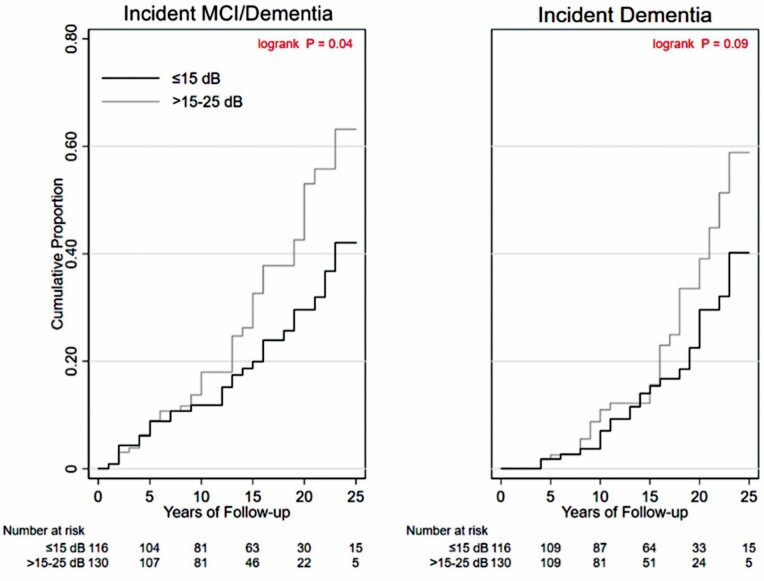
In this article, “Investigating the Longitudinal Associations of Subclinical Hearing Loss and Cognitive Decline,” the researchers aim to shed light on the connection between subclinical hearing loss and cognitive decline. Utilizing data from the Baltimore Longitudinal Study of Aging, the study focuses on cognitively normal adults over the age of 50. By measuring hearing based on the better ear pure-tone average and assessing test scores in various cognitive domains, the researchers discovered that a 10-dB increase in hearing loss was associated with a decline in Letter Fluency test scores. Although no significant relationship was found between hearing and incident mild cognitive impairment or dementia, the findings highlight an intriguing correlation between subclinical hearing loss and cognitive decline, specifically in the Letter Fluency test. To gain a better understanding, further studies are needed to determine the threshold level of hearing loss that triggers this connection.

Methods
Study design
The study conducted was a longitudinal study that aimed to investigate the associations between subclinical hearing loss and cognitive decline. It followed participants from the Baltimore Longitudinal Study of Aging who were cognitively normal adults aged 50 years and older.
Participants
The study population consisted of individuals who were part of the Baltimore Longitudinal Study of Aging. These participants were selected based on their cognitive status, with only cognitively normal adults being included in the study. The participants’ ages ranged from 50 years and older.
Exposure measurement
The exposure in this study was measured based on the better ear pure-tone average. Pure-tone audiometry was conducted to assess the participants’ hearing. The better ear pure-tone average was used as a measure of hearing loss in the study.
Outcome measurement
The outcomes in this study were the test scores in various cognitive domains. The research team assessed the participants’ cognitive function through specific tests that evaluated different cognitive domains.
Results
Association between hearing loss and cognitive decline
The study found an association between hearing loss and cognitive decline among the participants. Specifically, a 10-dB increase in hearing loss was associated with an annual decline in the Letter Fluency test scores. This suggests that as hearing loss worsens, cognitive function, specifically in the domain of verbal fluency, may decline over time.
Specific cognitive domains affected by hearing loss
The research team also investigated the specific cognitive domains that were affected by hearing loss. The results of the study showed that the Letter Fluency test scores were significantly impacted by hearing loss. This suggests that individuals with hearing loss may experience difficulties in generating words quickly and spontaneously, affecting their verbal fluency.
Relationship between hearing loss and incident mild cognitive impairment/dementia
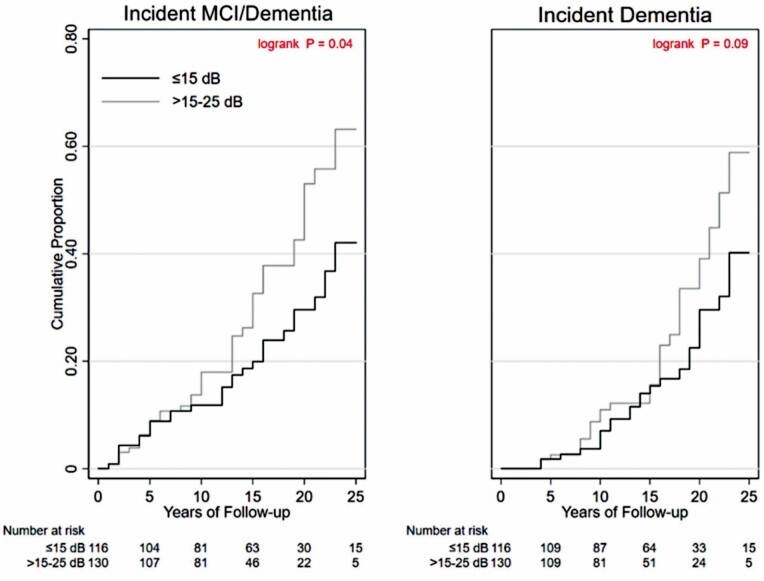
Despite the association between hearing loss and cognitive decline, the study did not find any significant relationships between hearing loss and the incidence of mild cognitive impairment or dementia. This suggests that while hearing loss may contribute to cognitive decline, it may not be a direct risk factor for the development of these specific conditions.
This image is property of www.ncbi.nlm.nih.gov.

Discussion
Significance of the findings
The findings of this study have significant implications for understanding the relationship between hearing loss and cognitive decline. The association between hearing loss and cognitive decline, particularly in the verbal fluency domain, highlights the importance of addressing hearing loss as a potential modifiable risk factor for cognitive impairment.
Implications for further research
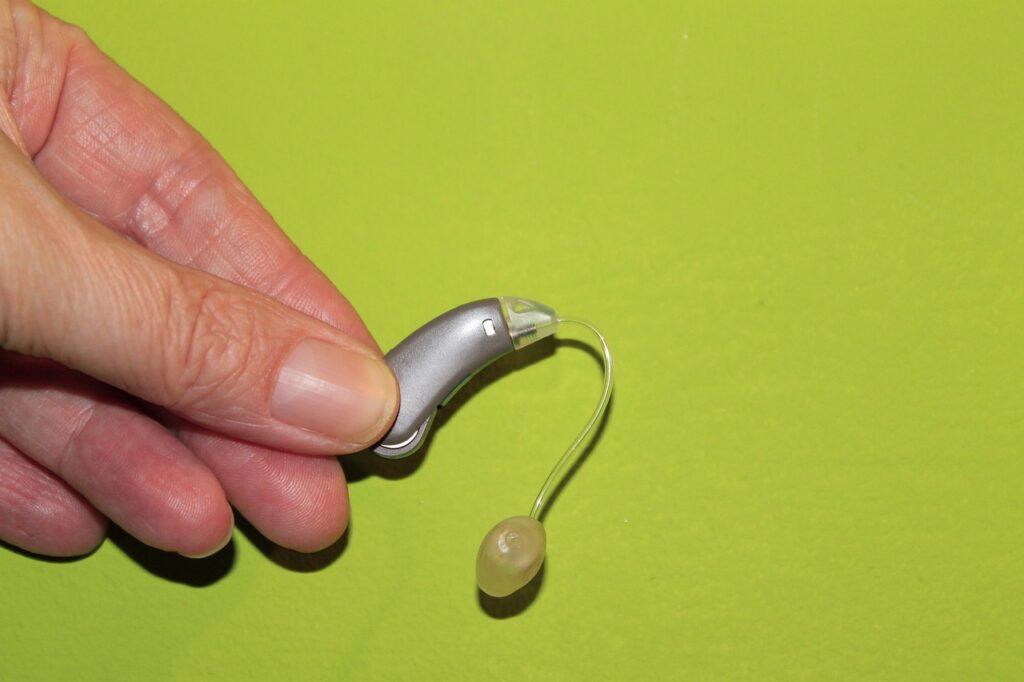
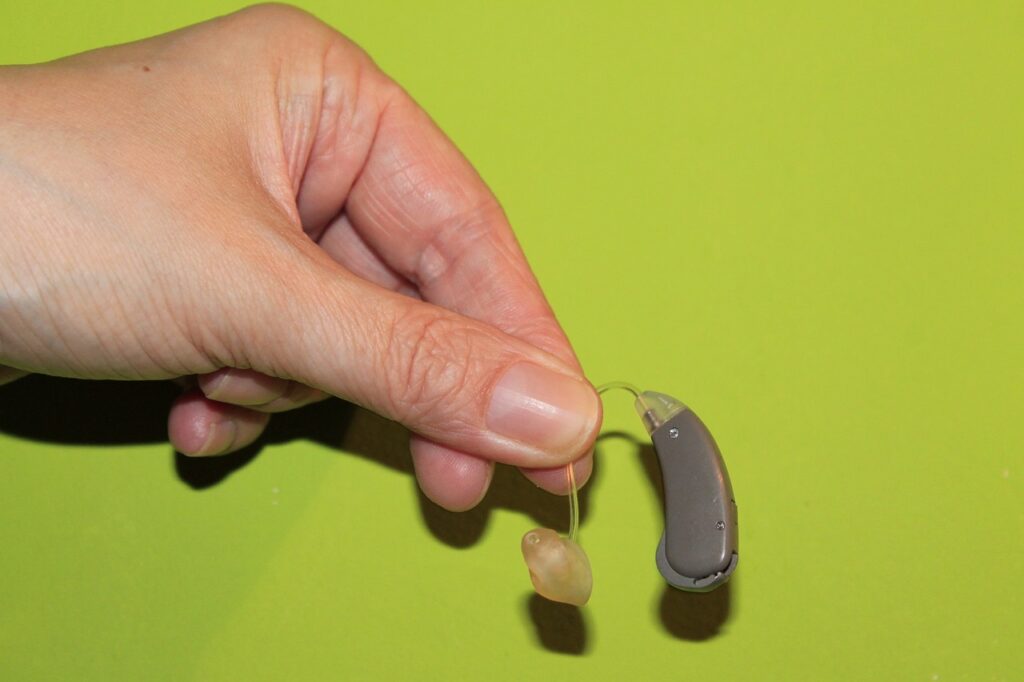
Further research is needed to determine at what level of hearing loss the relationship between hearing loss and cognitive decline begins. Additionally, future studies could explore the potential benefits of hearing interventions, such as hearing aids or assistive devices, in mitigating cognitive decline associated with hearing loss.
Potential mechanisms underlying the relationship between hearing loss and cognitive decline
The study did not investigate the potential mechanisms underlying the relationship between hearing loss and cognitive decline. However, future research could explore possible mechanisms such as social isolation, cognitive load, or shared etiological factors. Understanding these mechanisms could provide valuable insights into the development of interventions to prevent or delay cognitive decline in individuals with hearing loss.
Study Design
Study population
The study population consisted of participants from the Baltimore Longitudinal Study of Aging. These individuals were selected based on their cognitive status, with only cognitively normal adults aged 50 years and older included in the study. This study design allowed for the examination of the longitudinal associations between hearing loss and cognitive decline.
Data collection
Data for this study were collected through the Baltimore Longitudinal Study of Aging. The participants’ hearing was assessed using pure-tone audiometry to determine the better ear pure-tone average, which served as a measure of hearing loss. Cognitive function was assessed through various tests that evaluated different cognitive domains.
Follow-up period
The study had a longitudinal design, which involved follow-up assessments of the participants over a period of time. The specific duration of the follow-up period was not mentioned in the available information.
This image is property of pixabay.com.
Participants
Demographic characteristics
The demographic characteristics of the participants in this study were not provided in the available information. However, the study population consisted of cognitively normal adults aged 50 years and older who were part of the Baltimore Longitudinal Study of Aging.
Selection criteria
The participants in this study were selected based on their cognitive status. Only individuals who were cognitively normal were included in the study. The inclusion criteria also specified that the participants had to be aged 50 years and older.
Exposure Measurement
Definition of hearing loss
The definition of hearing loss in this study was based on the better ear pure-tone average. This measure takes into account the hearing thresholds at different frequencies in the better ear to determine the overall level of hearing loss.
Pure-tone audiometry
Pure-tone audiometry was used to assess the participants’ hearing in this study. This hearing test measures an individual’s hearing thresholds at different frequencies. The results of the pure-tone audiometry were used to calculate the better ear pure-tone average, which served as a measure of hearing loss.
Better ear pure-tone average
The better ear pure-tone average was used as a measure of hearing loss in this study. It takes into account the hearing thresholds at different frequencies in the better ear to provide an overall indication of the level of hearing loss.
This image is property of pixabay.com.
Outcome Measurement
Cognitive domains assessed
The study assessed participants’ cognitive function through tests that evaluated various cognitive domains. The specific cognitive domains that were assessed in this study were not mentioned in the available information.
Specific tests used
The tests used in this study were chosen to evaluate different cognitive domains. However, the specific tests that were used to assess cognitive function were not provided in the available information.
Association between Hearing Loss and Cognitive Decline
Magnitude of the association
The study found that there was an association between hearing loss and cognitive decline. Specifically, a 10-dB increase in hearing loss was associated with an annual decline in Letter Fluency test scores. The magnitude of this association was not further specified in the available information.
Effect of a 10-dB increase in hearing loss on cognitive decline
The study found that a 10-dB increase in hearing loss was associated with a decline in Letter Fluency test scores over time. This suggests that as hearing loss worsens, there is a negative impact on cognitive function, specifically in the domain of verbal fluency.
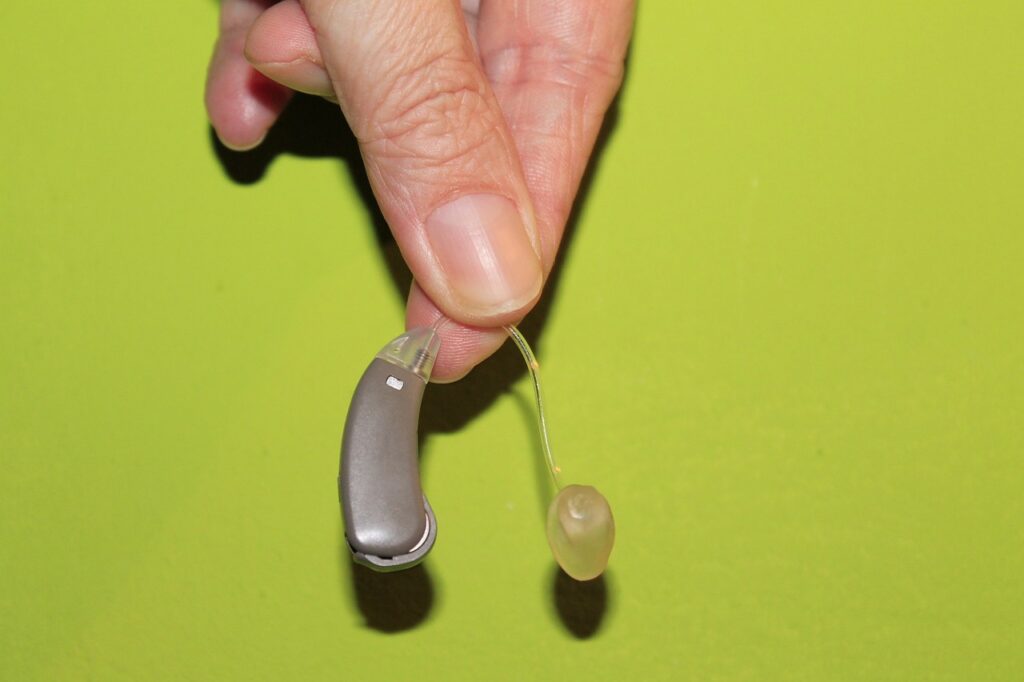
This image is property of pixabay.com.
Specific Cognitive Domains Affected by Hearing Loss
Letter Fluency test
The study found that the Letter Fluency test scores were significantly affected by hearing loss. This suggests that individuals with hearing loss may experience difficulties in generating words quickly and spontaneously, impacting their verbal fluency.
Other cognitive domains assessed
The specific cognitive domains that were assessed in this study, other than the verbal fluency domain, were not mentioned in the available information.
Relationship between Hearing Loss and Incident Mild Cognitive Impairment/Dementia
Analysis of incident cases
The study conducted an analysis of incident cases to assess the relationship between hearing loss and the development of mild cognitive impairment and dementia. However, no significant relationships were observed between hearing loss and incident mild cognitive impairment or dementia.
Lack of significant relationships observed
Despite the association between hearing loss and cognitive decline, the study did not find any significant relationships between hearing loss and the incidence of mild cognitive impairment or dementia. This suggests that while hearing loss may contribute to cognitive decline, it may not be a direct risk factor for the development of these specific conditions.
