
Did you know that what you eat can affect your hearing as you get older? A study called “The Association Between Age-Related Hearing Loss and Dietary Factors” looked at how the food we eat can impact our hearing as we age. This type of hearing loss, called age-related hearing loss (ARHL), can make it harder to hear and understand others, which can affect your quality of life. The study found that certain foods like seeds and nuts, fruits, seaweed, and vitamin A can help improve your hearing. Foods that are rich in antioxidants and have anti-inflammatory properties can also protect your ears. This study shows that what we eat can play a big role in keeping our ears healthy as we grow older.
Background
Age-related hearing loss (ARHL) is a common cause of hearing loss in adults and can have negative impacts on quality of life. It is important to understand the factors that contribute to the development of ARHL in order to prevent or mitigate its effects. Factors such as microcirculation abnormalities, systemic inflammation, and free radical formation may play a role in the development of ARHL.
Dietary Factors
Certain dietary factors have been found to increase the risk of ARHL. High-fat diets, for example, have been associated with a higher risk of hearing loss. These diets can negatively impact blood flow to the cochlea, the part of the ear responsible for hearing. Additionally, low intake of certain nutrients, such as iron, magnesium, and antioxidants, may also contribute to the development of ARHL.
Findings from the Study
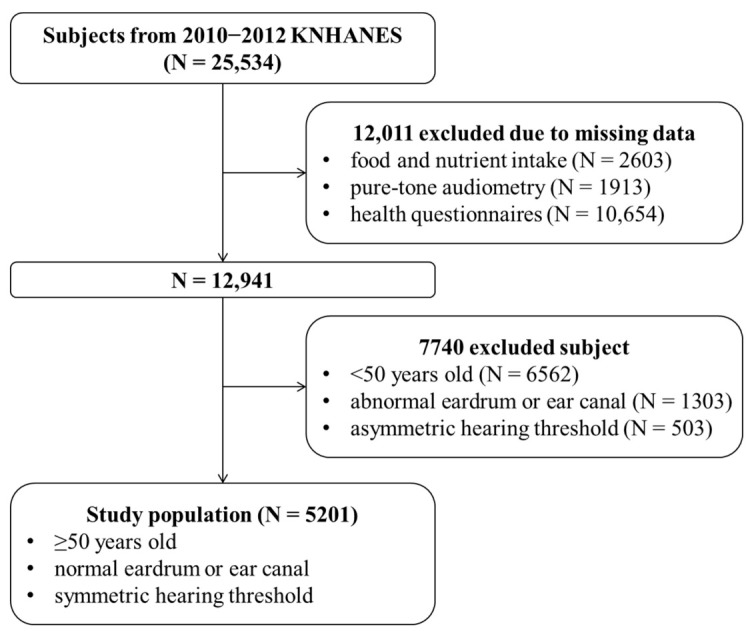
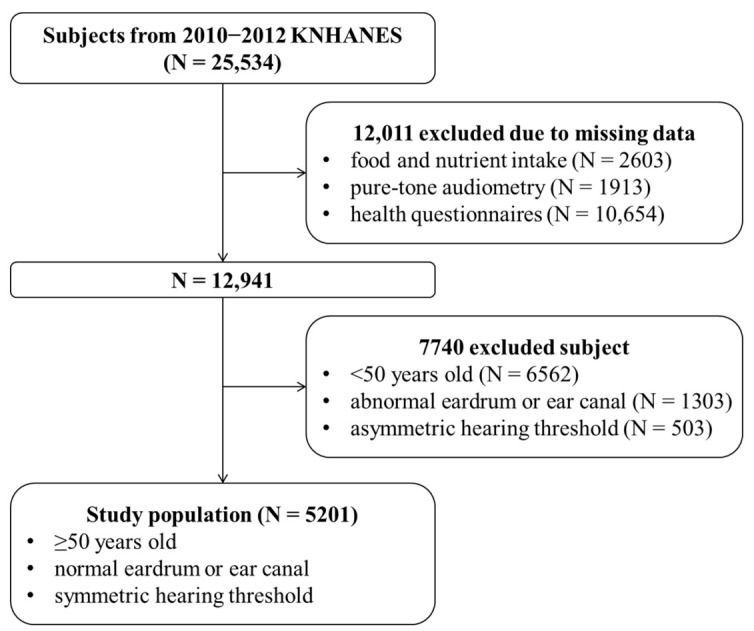
A recent study conducted using data from the Korean National Health and Nutrition Examination Survey explored the association between dietary factors and ARHL. The study found that higher intake of seeds and nuts, fruits, seaweed, and vitamin A were associated with better hearing. These foods may have protective effects against ARHL, likely due to their nutrient content.
Seeds and nuts, such as almonds and walnuts, are rich in antioxidants and omega-3 fatty acids, which have been shown to support overall ear health. Fruits, especially those high in vitamin C, provide essential nutrients that promote healthy blood circulation to the cochlea. Seaweed, a common food in Korean cuisine, contains minerals like zinc and potassium that are crucial for maintaining good hearing. Finally, vitamin A, found in foods like carrots and sweet potatoes, has been linked to better hearing function.
This image is property of www.ncbi.nlm.nih.gov.
Protective Effects
In addition to specific foods, overall dietary patterns can also play a role in protecting against ARHL. Dietary antioxidants, such as vitamin C, vitamin E, and beta-carotene, have been shown to have a protective effect against age-related hearing loss. These antioxidants help neutralize harmful free radicals in the body, reducing oxidative stress and potential damage to the auditory system.
Anti-inflammatory foods, such as fatty fish like salmon and sardines, as well as whole grains and leafy green vegetables, can also help protect against ARHL. Chronic inflammation has been associated with a higher risk of age-related hearing loss, so incorporating anti-inflammatory foods into your diet can help reduce this risk.
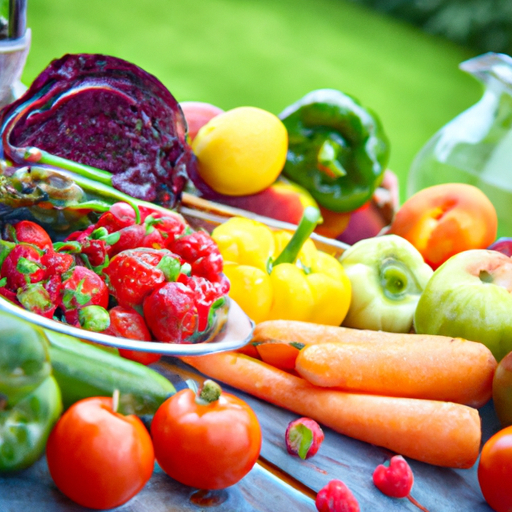
Importance of Dietary Factors
The findings from this study highlight the importance of dietary factors in reducing the burden of ARHL on the aging population. By making healthy food choices and ensuring an adequate intake of key nutrients, individuals can potentially lower their risk of developing age-related hearing loss.
While genetics and aging play significant roles in ARHL, adopting a healthy diet that includes a variety of fruits, vegetables, whole grains, lean proteins, seeds, nuts, and seafood can help support good hearing health as you age. It’s important to remember that a healthy diet is just one piece of the puzzle when it comes to maintaining good hearing, so it should be complemented by other lifestyle choices such as regular exercise, avoiding excessive noise exposure, and practicing good ear hygiene.
Data from Korean National Health and Nutrition Examination Survey
The Korean National Health and Nutrition Examination Survey provides valuable data for studying the association between dietary factors and ARHL. This survey collects information on various health and nutrition-related factors from a representative sample of the Korean population. The data allows researchers to analyze trends and identify potential associations between dietary patterns and health outcomes, including age-related hearing loss.
By using this data, researchers were able to uncover the positive association between certain foods and better hearing. However, it is worth noting that this study alone is not conclusive and further research is needed to fully understand the relationship between dietary factors and ARHL.
In conclusion, adopting a healthy diet that includes a variety of nutrient-rich foods, such as fruits, vegetables, seeds, nuts, and seafood, can potentially reduce the risk of age-related hearing loss. Dietary antioxidants and anti-inflammatory foods may have protective effects against ARHL. It is important to prioritize good hearing health as we age, and making healthy dietary choices is one way to support this goal. The findings from the Korean National Health and Nutrition Examination Survey provide valuable insights into the association between dietary factors and ARHL and can guide future research in this important area of study. Remember, taking care of your ears is just as important as taking care of the rest of your body, so make sure to prioritize your hearing health through a healthy lifestyle!