
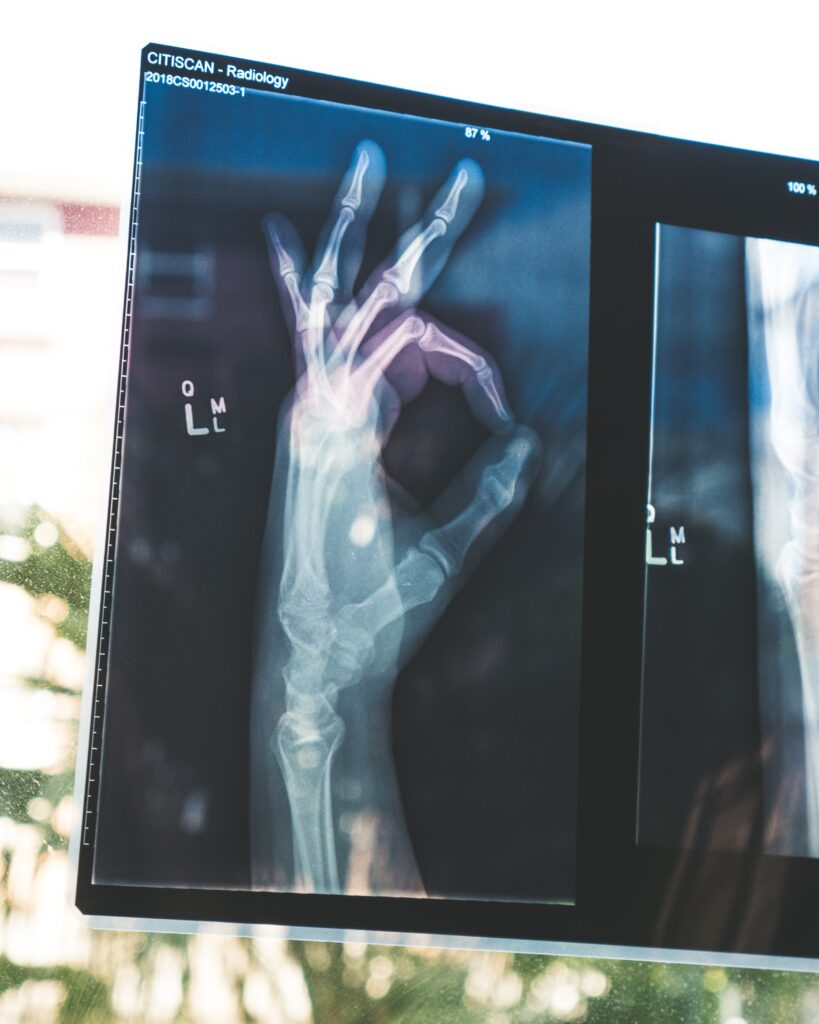
I’m sharing some valuable insights and practical tips for those experiencing hearing loss. As a hearing aid practitioner, my aim is to assist and provide guidance to individuals who are hearing impaired and seeking ways to improve their condition. Throughout these articles, I will address common concerns and questions related to finding help for hearing loss, and offer effective strategies that can support and enhance your hearing abilities.
Causes of Hearing Loss
Hearing loss can be caused by various factors, and understanding these causes is crucial in finding the right solutions. Here are some common causes of hearing loss:
Age-related hearing loss
Age-related hearing loss, also known as presbycusis, is one of the most prevalent causes of hearing loss. As we age, the structures in the inner ear gradually deteriorate, resulting in a gradual decline in hearing ability. This type of hearing loss typically affects both ears and can make it challenging to hear high-pitched sounds or conversations in noisy environments.
Noise-induced hearing loss
Exposure to loud noises, whether over an extended period or through a sudden loud noise, can lead to noise-induced hearing loss. This type of hearing loss can occur at any age and is often preventable. High levels of noise can damage the delicate hair cells in the inner ear, causing permanent hearing loss. Common sources of loud noise include concerts, power tools, firearms, and loud music through headphones.
Genetic causes
In some cases, hearing loss can be hereditary. Certain genetic mutations can cause structural abnormalities in the ear or affect the functioning of the auditory system. These genetic causes of hearing loss can be present at birth or develop later in life. If you have a family history of hearing loss, it is essential to be aware of potential genetic factors and seek appropriate medical guidance.
Infections
Certain infections can have a detrimental effect on hearing. Ear infections, such as otitis media, can cause temporary or permanent hearing loss, especially if left untreated. Additionally, viral infections, such as measles, mumps, or meningitis, can damage the auditory nerves or structures within the ear, leading to hearing loss. Timely medical intervention and proper treatment of infections are crucial in preventing potential hearing loss.
Physical trauma
Physical trauma to the head or ears can result in hearing loss. Head injuries, skull fractures, or exposure to sudden and intense pressure changes can damage the delicate structures of the ear, including the eardrum and the ossicles. The severity of hearing loss caused by physical trauma can vary depending on the extent of the injury. Seeking immediate medical attention in case of head or ear injuries is essential to prevent further damage and preserve hearing function.
Prevention and Protection
While some causes of hearing loss may be unavoidable, there are steps you can take to protect your hearing and prevent further damage. Here are some preventive measures to consider:
Avoiding loud noises
One of the most effective ways to prevent noise-induced hearing loss is to avoid exposure to loud noises as much as possible. Be mindful of your surroundings, and if you find yourself in a noisy environment, try to limit the duration of exposure or move to quieter areas. It is also advisable to turn down the volume when using headphones or earphones, as prolonged exposure to loud music can be damaging.
Using ear protection
When you cannot avoid loud noises, such as when attending a concert or working in a noisy environment, using ear protection is crucial. Earplugs or earmuffs can help reduce the intensity of sound reaching your ears and protect your hearing. Make sure to choose ear protection that is properly fitted and provides sufficient noise reduction without compromising your ability to hear essential sounds.
Keeping ears clean
Maintaining good ear hygiene is an essential aspect of hearing health. Proper cleaning of the outer ear can help prevent earwax buildup, which can cause temporary hearing loss or discomfort. However, it is crucial to avoid inserting objects such as cotton swabs or hairpins into the ear canal, as this can push earwax further and potentially damage the eardrum. Instead, consult a healthcare professional for safe methods of earwax removal.
Practicing good ear hygiene
In addition to keeping your ears clean, adopting habits that promote good ear hygiene is vital. Avoid inserting foreign objects into your ears, as this can cause injury or introduce harmful bacteria. Be cautious when using headphones or earbuds, and take breaks to allow your ears to rest. Regularly inspect your ears for any signs of infection or abnormalities and seek medical attention if necessary.
Medical Interventions
If you are experiencing hearing loss, it is essential to consult a hearing specialist or audiologist for a proper diagnosis and guidance on potential medical interventions. Here are some steps to consider:
Consulting a hearing specialist
The first step in addressing hearing loss is to schedule a consultation with a hearing specialist or audiologist. They are trained professionals who can conduct comprehensive assessments to determine the cause and severity of your hearing loss. They will provide personalized recommendations based on your specific needs and guide you through the available treatment options.
Getting a hearing test
A hearing test, also known as an audiogram, is a crucial diagnostic tool that determines the extent and nature of your hearing loss. During the test, you will be exposed to a series of sounds and asked to respond by indicating when you can hear them. The results of the hearing test will help the hearing specialist tailor a suitable treatment plan to address your hearing needs.
Exploring medical treatments
Depending on the cause and severity of your hearing loss, there may be medical treatments available to improve your hearing. These treatments can vary, ranging from medications to surgeries. For instance, if your hearing loss is caused by a middle ear infection, antibiotics or surgical intervention may be recommended. It is essential to discuss the potential benefits and risks of medical treatments with your healthcare provider or hearing specialist.
Considering hearing aids
Hearing aids are a popular and effective means of managing hearing loss. These small electronic devices amplify sounds and help individuals with hearing loss communicate more effectively. Hearing aids come in various styles and technologies, ranging from behind-the-ear to completely-in-the-canal devices. Your hearing specialist can recommend the most suitable hearing aid for your specific type and degree of hearing loss.
Lifestyle Changes
In addition to medical interventions, certain lifestyle changes can complement the management of hearing loss. Here are some lifestyle practices that can contribute to improved hearing health:
Managing medications
Certain medications, known as ototoxic drugs, can have adverse effects on hearing. If you are taking any medications that have the potential to cause hearing loss, it is essential to discuss this with your healthcare provider. They may be able to adjust your medication or recommend alternative options that do not pose a risk to your hearing.
Quit smoking
Smoking has been linked to various health conditions, including hearing loss. Studies have shown that smoking can damage blood vessels and restrict blood flow to the ears, leading to reduced auditory function. Quitting smoking not only improves your overall health but can also help preserve your hearing.
Reducing exposure to toxins
Exposure to certain toxins in the environment, such as heavy metals or chemicals, can contribute to hearing loss. It is important to be aware of potential toxins in your surroundings and take steps to minimize exposure. This may include using protective equipment when working with hazardous substances and choosing environmentally-friendly products whenever possible.
Improving diet and nutrition
Maintaining a healthy diet rich in essential nutrients can support overall hearing health. Nutrients like omega-3 fatty acids, vitamin C, vitamin E, and magnesium have been associated with better hearing function. Incorporating foods such as fish, leafy greens, nuts, and citrus fruits into your diet can provide these beneficial nutrients that promote optimal hearing.
Beneficial Technologies
Advancements in technology have led to the development of various devices and systems that can significantly benefit individuals with hearing loss. Here are some noteworthy technologies in the field of hearing assistance:
Assistive listening devices
Assistive listening devices (ALDs) are designed to enhance sound signals and improve speech comprehension for individuals with hearing loss. These devices can be used in conjunction with hearing aids or independently and are particularly useful in environments with background noise. ALDs can include devices such as personal amplifiers, FM systems, and loop systems.

Cochlear implants
For individuals with severe to profound hearing loss, cochlear implants offer a significant solution. Unlike hearing aids that amplify sound, cochlear implants bypass the damaged portions of the ear and directly stimulate the auditory nerve. This technology restores the perception of sound and can greatly improve speech understanding and auditory awareness in suitable candidates.
Bone-anchored hearing systems
Bone-anchored hearing systems (BAHS) are implantable devices that provide hearing assistance for individuals with specific types of hearing loss. These systems work by transmitting sound vibrations through the skull bone directly to the inner ear, bypassing any damage or blockages in the outer or middle ear. BAHS can be particularly beneficial for individuals with conductive hearing loss or single-sided deafness.
Captioning and closed captioning
Captioning technology facilitates access to auditory information for individuals with hearing loss. It involves displaying text captions on screens or within videos, allowing the viewer to read the dialogue or audio content. Closed captioning, in particular, can be enabled or disabled based on individual preference, ensuring inclusivity and accessibility in various media formats, such as movies, television shows, and online videos.
Communication Strategies
To enhance communication effectiveness, individuals with hearing loss can employ specific strategies and techniques. Here are some communication strategies that can benefit both the individual with hearing loss and their communication partners:
Face-to-face communication
Engaging in face-to-face communication can significantly improve understanding for individuals with hearing loss. Being able to see the speaker’s facial expressions, lip movements, and body language adds valuable visual cues that aid in comprehension. It is important to establish good lighting conditions and maintain eye contact to facilitate effective communication.
Effective listening techniques
Practicing effective listening techniques can enhance understanding in challenging listening situations. This may involve actively focusing on the speaker, asking for repetition or clarification when needed, and avoiding distractions. Taking regular breaks during conversations to rest your ears and process information can also be beneficial.
Using visual cues
Visual cues can provide valuable context and support comprehension in conversations. Observing the speaker’s facial expressions, gestures, and body language can aid in understanding their intended message. Additionally, paying attention to visual cues within the environment, such as signage or written instructions, can provide supplementary information to supplement auditory input.
Utilizing assistive technology
Assistive technology devices, such as speech-to-text apps or video relay services, can be valuable tools in facilitating communication. These technologies convert spoken words into written text or allow for real-time communication through sign language interpreters. By utilizing assistive technology, individuals with hearing loss can actively participate in discussions and maintain effective communication.
Support and Education
Navigating the challenges of hearing loss can be overwhelming, but there are support systems and educational resources available to provide assistance. Here are some avenues to explore for support and education:
Joining support groups
Support groups offer a sense of community and understanding among individuals with hearing loss. By connecting with others who share similar experiences, you can gain valuable insights, receive emotional support, and learn coping strategies. Support groups can be found locally, through community centers, or online platforms dedicated to hearing loss.
Seeking counseling
Individual or group counseling sessions can be beneficial for individuals struggling to cope with the emotional and psychological impact of hearing loss. Counseling provides a safe space to discuss personal challenges, develop coping mechanisms, and address any accompanying feelings of isolation or anxiety.

Educating oneself on hearing loss
Understanding hearing loss and its associated challenges is essential for effective management. By educating yourself about the causes, treatments, and assistive technologies available, you can make informed decisions and actively participate in your hearing care. Reliable sources of information include reputable websites, books, and educational materials provided by hearing healthcare professionals.
Understanding rights and resources
Familiarizing yourself with your rights as an individual with hearing loss can empower you to advocate for necessary accommodations and support. Depending on your location, there may be laws and regulations in place to protect the rights of individuals with hearing loss, such as access to communication services or workplace accommodations. Research local resources and organizations that can provide guidance and support in navigating these rights.
Environmental Modifications
Creating a supportive environment can significantly enhance the quality of life for individuals with hearing loss. By making certain modifications, you can minimize the impact of environmental factors on communication and hearing function. Here are some environmental modifications to consider:
Creating a quiet environment
When possible, creating a quiet environment can facilitate better communication for individuals with hearing loss. Minimizing background noise, such as turning off loud appliances or selecting peaceful locations for conversations, can reduce auditory distractions and enhance speech clarity.
Installing soundproofing
In situations where external noise is challenging to control, soundproofing can make a significant difference. Adding sound-absorbing materials to walls, ceilings, or floors can help minimize noise reverberation, ensuring that the intended sounds are more distinct and easier to comprehend.
Minimizing background noise
Background noise can be especially problematic for individuals with hearing loss. Taking steps to reduce background noise can greatly improve communication clarity. This can involve closing windows or doors to block outside noise, using noise-cancelling headphones or earbuds, or rearranging furniture to optimize the acoustics of a room.
Utilizing hearing loops and FM systems
Hearing loops and FM systems are specialized assistive listening technologies that can enhance the listening experience for individuals with hearing loss. Hearing loops use electromagnetic signals, which are picked up by hearing aids or cochlear implants, to transmit clear sound directly to the listener. FM systems utilize radio waves to transmit sound from a microphone to a receiver that can be worn by the listener. Both technologies help individuals with hearing loss overcome distance and background noise.
Alternative Therapies
In addition to conventional approaches, some individuals with hearing loss may find alternative therapies helpful in managing their condition. While research on alternative therapies for hearing loss is ongoing, some evidence suggests potential benefits. Here are some alternative therapies worth considering:
Acupuncture
Acupuncture, an ancient Chinese practice involving the insertion of thin needles into specific points on the body, has been explored as a potential therapy for hearing loss. Some studies suggest that acupuncture may improve blood circulation and nerve function in the ears, potentially benefiting individuals with certain types of hearing loss. However, further research is needed to establish its efficacy.
Yoga and meditation
Yoga and meditation have been associated with stress reduction and improved overall well-being. These practices can help individuals with hearing loss manage the emotional and psychological impact of their condition. By promoting relaxation and mindfulness, yoga and meditation can contribute to a better state of mind, positively influencing their perception and ability to cope with hearing loss.
Sound therapy
Sound therapy involves the use of specific sounds or tones to alleviate the symptoms of hearing loss or tinnitus. White noise, pink noise, or nature sounds are often used to create a soothing auditory environment, potentially reducing the perception of tinnitus and promoting relaxation. Sound therapy can be utilized through specific devices, smartphone apps, or even by creating a calm soundscape in your surroundings.
Vitamin and mineral supplements
While a balanced diet is the best way to obtain essential nutrients, some individuals may choose to supplement their intake with specific vitamins and minerals. Certain nutrients, such as vitamin B12, folic acid, and magnesium, have been suggested to support hearing health. However, it is crucial to consult with a healthcare professional before starting any supplements to ensure appropriate dosage and safety.
Self-Care Practices
Taking care of your overall well-being can positively impact your hearing health. Incorporating self-care practices into your daily routine can help you effectively manage the challenges of hearing loss. Here are some self-care practices to consider:
Stress management techniques
Stress can exacerbate the symptoms of hearing loss and impact overall well-being. Engaging in stress management techniques, such as deep breathing exercises, meditation, or pursuing hobbies and activities that bring joy, can help alleviate stress and promote relaxation. By managing stress, you can enhance your ability to cope with hearing loss.
Getting regular exercise
Regular physical exercise has numerous benefits for both physical and mental health. Engaging in activities such as walking, swimming, or yoga can improve blood circulation and overall well-being. Exercise can also positively impact hearing health by boosting cardiovascular health, which plays a role in maintaining optimal auditory function.
Practicing good sleep hygiene
Quality sleep is essential for overall health and well-being, including hearing health. Practicing good sleep hygiene involves adopting habits that promote restful sleep, such as maintaining a consistent sleep schedule, creating a comfortable sleep environment, and avoiding stimulating activities before bedtime. By prioritizing quality sleep, you can optimize your hearing health.
Avoiding excessive earwax accumulation
Earwax, or cerumen, is a natural substance that helps protect the ears. However, excessive earwax accumulation can lead to temporary hearing loss or discomfort. Avoid using cotton swabs or other objects to clean the ear canal, as this can push the earwax deeper and potentially cause damage. If you experience symptoms of earwax buildup, consult a healthcare professional for safe and appropriate methods of removal.
In conclusion, managing and improving hearing loss requires a comprehensive approach that encompasses various aspects of lifestyle, technology, communication, and support. By understanding the causes of hearing loss, adopting preventive measures, seeking medical interventions when necessary, making lifestyle changes, utilizing beneficial technologies, implementing effective communication strategies, accessing support and education, modifying the environment, considering alternative therapies, and practicing self-care, individuals with hearing loss can enhance their overall well-being and maintain a fulfilling quality of life.