

In “Understanding the Prevalence of Hearing Loss,” a hearing aid practitioner aims to address the common questions and concerns of those who are hearing impaired. With a compassionate and informative approach, this article seeks to shed light on the prevalence of hearing loss and offer guidance on how to seek help. Whether you or a loved one are experiencing hearing loss, this article is an essential resource to gain a better understanding of this common condition and the available solutions.

Understanding the Prevalence of Hearing Loss
Hearing loss is a common condition that affects individuals of all ages and can have a significant impact on a person’s life. By gaining a better understanding of the prevalence of hearing loss, its causes, and its impact, we can work towards improving access to care and support for those affected.
Definition of Hearing Loss
Hearing loss is commonly defined as the reduced ability to hear sounds in one or both ears. This can range from mild to profound, and can affect different frequencies or pitches of sound. It can be categorized as conductive, sensorineural, or mixed, depending on the underlying cause.
Classification of Hearing Loss
Hearing loss can be classified based on the severity and type of impairment. The World Health Organization (WHO) defines four categories of hearing loss: mild, moderate, severe, and profound. These categories are determined by the individual’s threshold of hearing, or the softest sound they can hear at specific frequencies.
Causes of Hearing Loss
There are many factors that can contribute to hearing loss. Some of the most common causes include:
- Age-Related Hearing Loss (Presbycusis): As individuals age, the structures within the ear can deteriorate, leading to a gradual loss of hearing.
- Noise-Induced Hearing Loss: Exposure to loud noises, whether occupational or recreational, can damage the delicate structures of the inner ear and result in hearing loss.
- Genetic Factors: Certain genetic conditions can predispose individuals to hearing loss.
- Medical Conditions: Various medical conditions, such as otitis media, Meniere’s disease, and tumors, can affect hearing.
- Medication-Induced Hearing Loss: Some medications, such as certain antibiotics and chemotherapy drugs, can cause hearing loss as a side effect.
- Trauma: Head injuries or accidents involving the ears can result in hearing loss.
Global Statistics
Hearing loss is a global health issue that affects millions of people worldwide. Understanding the prevalence of hearing loss on a global scale is important for developing effective strategies for prevention, diagnosis, and treatment.
Prevalence of Hearing Loss Worldwide
According to the WHO, an estimated 466 million people worldwide have disabling hearing loss, which equates to about 5% of the global population. This includes 34 million children, making hearing loss one of the most common birth defects.
Impact of Hearing Loss on Global Health
Hearing loss has significant implications for global health. It is a leading cause of years lived with disability (YLD), and its impact extends beyond the individual affected to their families and communities. Hearing loss can contribute to communication difficulties, reduced quality of life, increased healthcare costs, and limited access to education and employment opportunities.
Significant Hearing Loss by Age Group
Hearing loss can occur at any age, but there are variations in prevalence and causes across different age groups. In children, hearing loss can be congenital or acquired, with causes ranging from genetic factors to infections or complications during pregnancy and childbirth. In adults, age-related hearing loss (presbycusis) is the most common form, affecting around one-third of people over the age of 65.
Causes and Risk Factors
Understanding the various causes and risk factors associated with hearing loss is essential for effective prevention, diagnosis, and management.
Age-Related Hearing Loss (Presbycusis)
Age-related hearing loss, or presbycusis, is a natural process that occurs as the body ages. It is characterized by a gradual decline in hearing sensitivity, particularly in higher frequencies. The exact mechanisms underlying presbycusis are not fully understood, but a combination of genetic and environmental factors are believed to play a role.
Noise-Induced Hearing Loss
Exposure to loud noises, whether in occupational or recreational settings, can cause permanent damage to the cells of the inner ear. Prolonged or repeated exposure to high-intensity sounds can result in noise-induced hearing loss. This type of hearing loss is preventable by taking protective measures, such as wearing earplugs or earmuffs.
Genetic Factors
Hearing loss can be caused by genetic abnormalities or mutations. Some individuals may be born with a specific genetic condition that affects the development or function of the auditory system, while others may inherit a predisposition to hearing loss from their parents.
Medical Conditions
Certain medical conditions can contribute to hearing loss. Chronic ear infections, otosclerosis (abnormal bone growth in the middle ear), Meniere’s disease (a disorder of the inner ear), and tumors can all affect the structures and function of the auditory system.
Medication-Induced Hearing Loss
Some medications, such as certain antibiotics, chemotherapy drugs, and non-steroidal anti-inflammatory drugs (NSAIDs), can cause hearing loss as a side effect. It is important for healthcare providers to be aware of these potential risks and take precautions when prescribing medications to individuals at risk.
Trauma
Head injuries or accidents involving the ears can result in hearing loss. The physical trauma can damage the delicate structures of the ear, leading to temporary or permanent hearing impairment.
Regional Differences
There are significant regional differences in the prevalence and impact of hearing loss across the globe. Factors such as income level, access to healthcare, and cultural practices can influence the distribution and management of hearing loss.
High-Income Countries
In high-income countries, such as those in North America and Western Europe, there tends to be a higher prevalence of age-related hearing loss due to an aging population. These countries often have well-developed healthcare systems and infrastructure, allowing for better access to diagnostic and treatment services.
Low- and Middle-Income Countries
Low- and middle-income countries, particularly in Africa, Asia, and South America, face unique challenges in addressing hearing loss. Limited resources, inadequate healthcare infrastructure, and a lack of awareness and trained professionals contribute to lower rates of diagnosis and treatment.
Socioeconomic Disparities
Within countries, there are often socioeconomic disparities in the prevalence and management of hearing loss. Individuals from lower-income backgrounds may have reduced access to healthcare services and face financial barriers in obtaining necessary interventions, such as hearing aids.
Urban vs. Rural Populations
There can also be disparities between urban and rural populations. In rural areas with less access to healthcare facilities and professionals, individuals may have limited opportunities for early detection and timely intervention for hearing loss.
Access to Healthcare and Prevention
Improving access to healthcare services and prevention programs is crucial for addressing the regional differences in hearing loss. By implementing telemedicine initiatives, training more healthcare professionals, and raising awareness, we can strive towards reducing these disparities and ensuring that everyone has the opportunity to receive appropriate care.
Impact on Quality of Life
Hearing loss can have a profound impact on the overall quality of life for individuals affected, as well as their loved ones.
Communication Challenges
One of the most significant effects of hearing loss is the communication difficulties it presents. Individuals with hearing loss may struggle to understand speech, particularly in noisy environments or when multiple people are speaking. This can lead to feelings of frustration, isolation, and withdrawal from social situations.
Psychological and Emotional Effects
Living with hearing loss can also have psychological and emotional consequences. Individuals may experience increased levels of stress, anxiety, and depression due to difficulties in communication, reduced participation in social activities, and the fear of being misunderstood or left out.
Social Isolation and Loneliness
Hearing loss can contribute to social isolation and increased feelings of loneliness. The inability to fully participate in conversations and social gatherings can lead to a sense of exclusion and disconnection from others, impacting mental health and overall well-being.
Educational and Professional Challenges
Hearing loss can present unique challenges in educational and professional settings. Children with hearing loss may struggle academically, experiencing delays in language development and difficulties in classroom communication. Adults with hearing loss may face barriers in the workplace, potentially affecting job performance and career advancement opportunities.
Increased Healthcare Costs
Hearing loss can result in increased healthcare costs for individuals and healthcare systems. The need for hearing aids, assistive listening devices, and other interventions, combined with the management of comorbidities associated with hearing loss, can place a financial burden on affected individuals and their families.
Screening and Diagnosis
Early detection and diagnosis of hearing loss are crucial for timely intervention and improved outcomes. Various screening methods and diagnostic tools are available to assess hearing abilities and determine the type and severity of hearing loss.
Importance of Early Detection
Early detection of hearing loss allows for timely intervention, which can significantly improve outcomes. Regular hearing screenings should be incorporated into routine healthcare visits, particularly for infants, children, and individuals at higher risk, such as those with a family history of hearing loss or exposure to high levels of noise.
Hearing Tests and Evaluations
Hearing tests, or audiometric evaluations, are performed by qualified professionals to assess an individual’s hearing abilities. These tests involve presenting sounds of varying frequencies and intensities and measuring the individual’s responses. This helps determine the individual’s hearing thresholds and the type and degree of hearing loss.
Diagnostic Tools and Techniques
In addition to audiometric evaluations, there are various diagnostic tools and techniques available to assess the underlying causes of hearing loss. This may include imaging studies, such as magnetic resonance imaging (MRI), to evaluate the structures of the ear, or genetic testing to identify any inherited conditions.

Treatment Options
Several treatment options are available to manage hearing loss and improve communication abilities and quality of life.
Hearing Aids
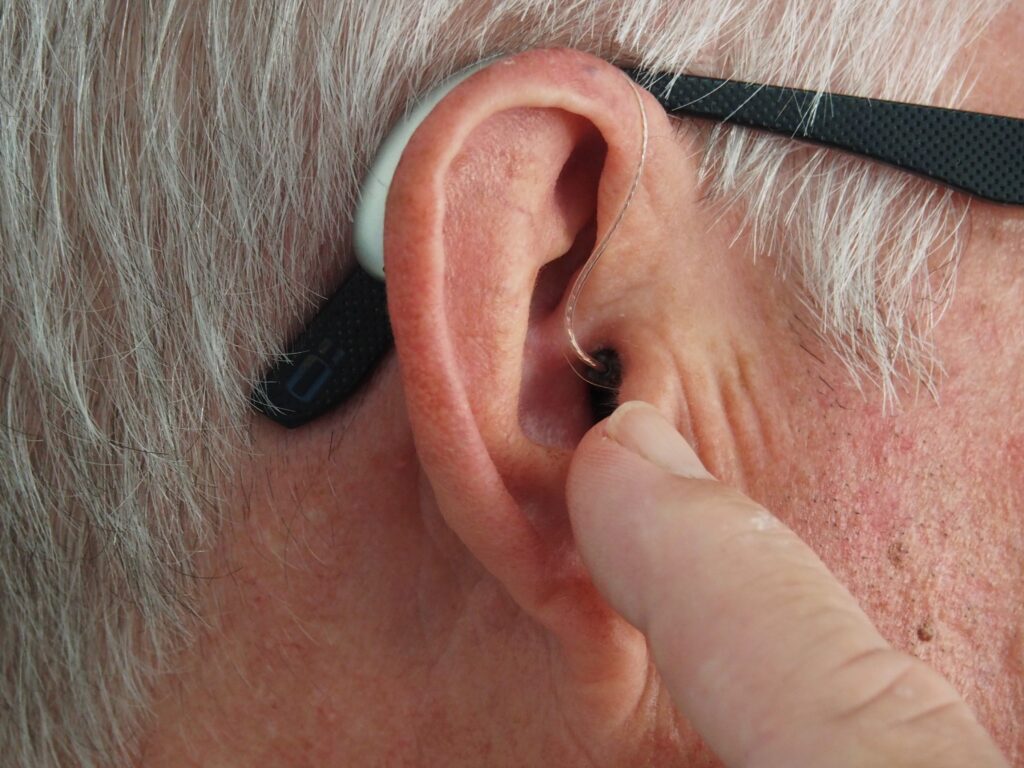
Hearing aids are the most common form of treatment for individuals with hearing loss. These devices amplify sounds and improve the individual’s ability to hear and understand speech. There are various types of hearing aids available, including behind-the-ear (BTE), in-the-ear (ITE), and in-the-canal (ITC) models, each with its own advantages and considerations.
Cochlear Implants
Cochlear implants are electronic devices that provide a sense of sound to individuals with severe to profound hearing loss. These implants bypass the damaged parts of the ear and directly stimulate the auditory nerve, enabling individuals to perceive sounds and understand speech.
Assistive Listening Devices
Assistive listening devices (ALDs) are amplification systems designed to enhance hearing in specific situations. They can be used in conjunction with or as an alternative to hearing aids, depending on the individual’s needs. ALDs can improve sound clarity during telephone conversations, lectures, or public events.
Medical and Surgical Interventions
For certain types of hearing loss, medical or surgical interventions may be necessary. These can include treatments for conditions such as otosclerosis or the removal of tumors that may be causing hearing loss. The specific intervention will depend on the underlying cause and individual circumstances.
Communication Strategies
In addition to technology and medical interventions, the use of communication strategies can significantly improve the communication abilities of individuals with hearing loss. Techniques such as lip-reading, learning sign language, and using assistive devices like captioning or speech-to-text applications can enhance understanding and participation in conversations.
Prevention and Awareness
Efforts to prevent hearing loss and raise awareness about its impact are crucial in reducing its prevalence and improving outcomes for individuals affected.
Hearing Conservation Programs
Hearing conservation programs aim to prevent noise-induced hearing loss through education and the implementation of strategies to reduce exposure to excessive noise. These programs can include workplace noise control measures, hearing protection devices, and employee education and training.
Education and Public Health Campaigns
Education and public health campaigns play a vital role in raising awareness about hearing loss and its impact on individuals and communities. By disseminating information about the causes, prevention, and available resources, these campaigns can promote early detection and intervention, as well as reducing the stigma associated with hearing loss.
Occupational Safety Measures
Occupational safety measures are essential for preventing work-related hearing loss. Employers have a responsibility to provide a safe working environment and implement measures to reduce noise exposure, such as engineering controls, hearing protection devices, and periodic hearing screenings.
Noise Regulation Policies
Noise regulation policies at the national and local levels are crucial for protecting individuals from excessive noise exposures. These policies may include maximum permissible noise levels in different settings, requirements for noise control measures in industries, and guidelines for the use of personal listening devices.
Importance of Routine Check-ups
Regular routine check-ups with healthcare professionals are essential for maintaining overall health, including monitoring and addressing potential hearing loss. Individuals should have their hearing tested periodically, particularly as they age or if they are exposed to any risk factors for hearing loss.
Addressing Barriers to Care
In order to effectively address the prevalence of hearing loss, it is important to identify and overcome barriers to care and support for those affected.
Accessibility and Affordability of Hearing Devices
Ensuring access to affordable hearing devices, such as hearing aids and cochlear implants, is crucial for individuals with hearing loss. Efforts should be made to reduce the cost of these devices, as well as exploring insurance coverage and subsidy programs to increase affordability.
Healthcare Infrastructure
Strengthening healthcare infrastructure, particularly in low- and middle-income countries, is essential for improving access to diagnostic and treatment services for hearing loss. This can involve training more healthcare professionals in audiology and ensuring the availability of testing equipment and facilities.
Lack of Awareness and Stigma
Lack of awareness and the presence of stigma surrounding hearing loss can be significant barriers to seeking care and support. Efforts should be made to increase public awareness and understanding of hearing loss, its causes, and available resources. Addressing stigma through education and community engagement can help reduce the negative impact on individuals affected.
Educational Initiatives
Education plays a vital role in addressing the prevalence of hearing loss. Incorporating hearing loss prevention and management into school curricula, as well as providing healthcare professionals with ongoing training and education, can help ensure that individuals are informed about the risks, signs, and available interventions for hearing loss.
Future Research and Developments
Continued research and development in the field of hearing loss will contribute to improved prevention, diagnosis, and treatment options for those affected.
Advancements in Hearing Technology
Advancements in hearing technology, such as digital signal processing and wireless connectivity, are continually improving the performance and functionality of hearing aids and other assistive devices. These developments are making it easier for individuals with hearing loss to communicate effectively and participate in various activities.
Gene Therapy and Regenerative Medicine
Gene therapy and regenerative medicine hold promising potential for the treatment of certain types of hearing loss. By targeting the underlying genetic or cellular abnormalities, these approaches may offer opportunities for restoring or regenerating damaged or dysfunctional structures within the auditory system.
Impact of Aging Population
With the global population aging, the prevalence of age-related hearing loss is expected to rise. Understanding the impact of an aging population on hearing loss prevalence and management is crucial for developing strategies to address the needs of older adults and ensure appropriate care is available.
Healthcare Policy and Funding
Advocating for healthcare policies that prioritize hearing health and secure funding for research, prevention programs, and access to care is essential for addressing the prevalence of hearing loss. Continued efforts from policymakers and healthcare stakeholders are necessary to improve outcomes for individuals affected by hearing loss.
In conclusion, understanding the prevalence of hearing loss is crucial for addressing the needs of individuals affected, improving access to care, and promoting prevention efforts. By raising awareness, implementing effective screening and diagnostic methods, exploring treatment options, and addressing barriers to care, we can work towards reducing the impact of hearing loss on individuals, families, and communities worldwide. The future holds promise for further advancements in research, technology, and policies to improve the lives of those with hearing loss.