
In “Understanding Hidden Hearing Loss,” a hearing aid practitioner provides valuable insights for individuals who are experiencing hearing impairment and seeking solutions. This article aims to shed light on the causes of hidden hearing loss, offering a deeper understanding of this often undiagnosed condition. If you’re curious about the intricacies of hidden hearing loss and are looking for expert guidance, this article is here to help.

Understanding Hidden Hearing Loss
Hidden hearing loss refers to a type of hearing impairment that is not easily detectable by standard hearing tests. Individuals with hidden hearing loss may have normal audiograms, which commonly measure the ability to hear sounds at different frequencies. However, they may still experience difficulty understanding speech, particularly in noisy environments, and may have trouble hearing high-frequency sounds. In this article, we will delve into the causes, symptoms, diagnosis, treatment options, coping strategies, prevention, and research developments surrounding hidden hearing loss.
I. Introduction to Hidden Hearing Loss
A. Definition of Hidden Hearing Loss
Hidden hearing loss is a term used to describe a condition where individuals experience difficulty hearing in certain situations, despite having normal audiograms. This means that their ability to detect sounds at different frequencies is within the normal range, yet they struggle to understand speech, especially in noisy environments. Hidden hearing loss is believed to stem from damage to the nerve fibers that connect the inner ear to the brain, impacting the brain’s ability to process sound accurately.
II. Causes of Hidden Hearing Loss
A. Loud Noise Exposure
One of the primary causes of hidden hearing loss is exposure to loud noise over an extended period. Prolonged exposure to high decibel levels, such as from loud machinery, music, or firearms, can lead to damage in the nerve fibers responsible for transmitting sound signals to the brain. This type of damage often accumulates gradually over time.
B. Aging
As we age, it is not uncommon for our hearing abilities to change. Age-related hearing loss, known as presbycusis, can contribute to hidden hearing loss. The gradual deterioration of the delicate structures within the inner ear can affect the transmission of sound signals to the brain, leading to difficulties in processing speech and other sounds.
C. Genetics
Genetic factors can also play a role in hidden hearing loss. Certain gene mutations or inherited conditions, such as Connexin 26 and Usher syndrome, can affect the development and function of the auditory system, leading to hearing difficulties.
D. Medications
Certain medications have the potential to cause hidden hearing loss as a side effect. Some chemotherapy drugs, antibiotics, and non-steroidal anti-inflammatory drugs (NSAIDs) have been associated with auditory nerve damage or impairment. It is important to discuss potential side effects with your healthcare provider when starting a new medication.
E. Other Factors
Other factors that may contribute to hidden hearing loss include head injuries, viral or bacterial infections affecting the ear, and systemic diseases such as diabetes or cardiovascular disease. These factors can impact the health of the auditory system and lead to hearing problems.
III. Symptoms of Hidden Hearing Loss
A. Difficulty Understanding Speech in Noisy Environments
One of the hallmark symptoms of hidden hearing loss is the difficulty in understanding speech, particularly in environments with background noise. Individuals with hidden hearing loss often struggle to distinguish speech sounds from competing sounds, making it challenging to follow conversations in noisy settings like restaurants, social gatherings, or crowded public spaces.
B. Problems with Sound Localization
Sound localization refers to the ability to identify the direction from which a sound is coming. People with hidden hearing loss may find it challenging to pinpoint the origin of a sound accurately. This difficulty in sound localization can affect everyday activities like crossing a street safely or identifying the source of a fire alarm.
C. Trouble Hearing High-Frequency Sounds
Hidden hearing loss can also affect an individual’s perception of high-frequency sounds. These sounds include consonants, which are crucial for distinguishing between similar-sounding words. People with hidden hearing loss may struggle to hear speech sounds like “s,” “f,” or “th,” leading to difficulties in understanding conversations.

IV. Diagnosis of Hidden Hearing Loss
A. Audiogram Test
Even though hidden hearing loss is not typically evident on a standard audiogram, it is still an essential part of the diagnostic process. An audiogram helps determine an individual’s hearing thresholds at various frequencies. Although these results may appear normal, they do not provide a comprehensive assessment of hidden hearing loss.
B. Speech-in-Noise Test
A speech-in-noise test examines an individual’s ability to understand speech in the presence of background noise. By presenting recorded speech stimuli at different signal-to-noise ratios, this test assesses how well a person can distinguish speech sounds against varying levels of background noise. The results of this test contribute to the diagnosis of hidden hearing loss.
C. Otoacoustic Emission Test
An otoacoustic emission (OAE) test measures the sounds produced by the inner ear’s hair cells in response to auditory stimuli. People with hidden hearing loss may exhibit abnormal or reduced OAE responses, indicating damage to the delicate structures of the inner ear.
D. Auditory Brainstem Response Test
The auditory brainstem response (ABR) test measures the electrical activity generated by the auditory nerve and brainstem in response to sound stimuli. People with hidden hearing loss may present abnormal ABR waveforms, suggesting a disruption in the transmission of sound information from the ear to the brain.
V. Treatment Options for Hidden Hearing Loss
A. Hearing Aids
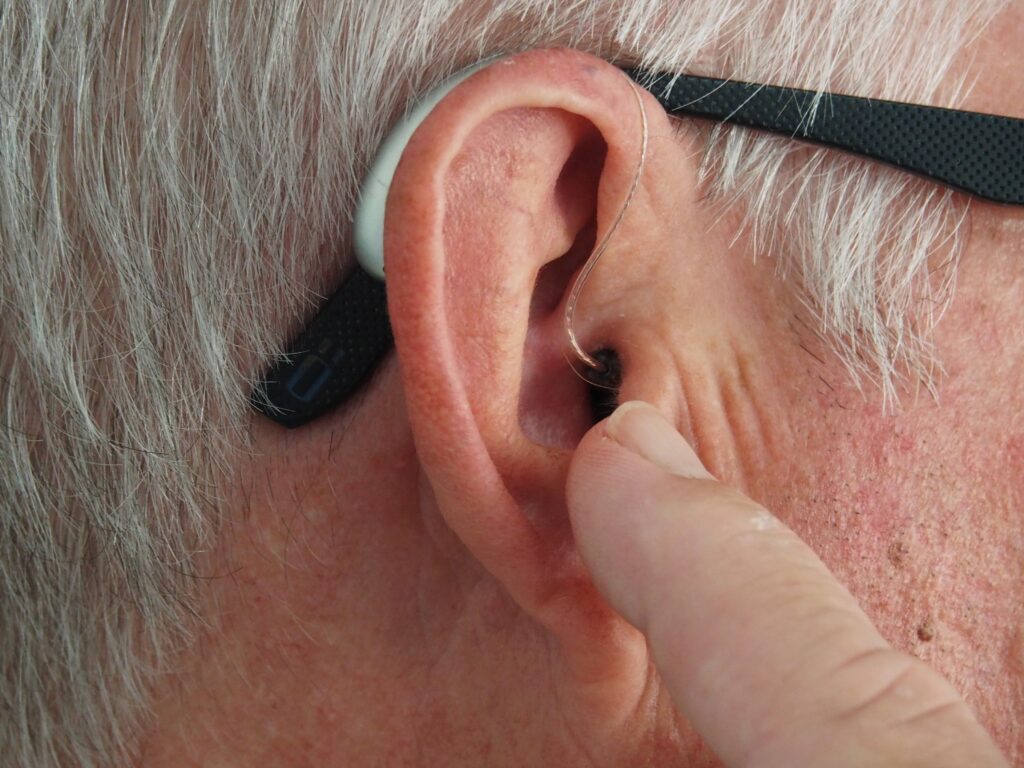
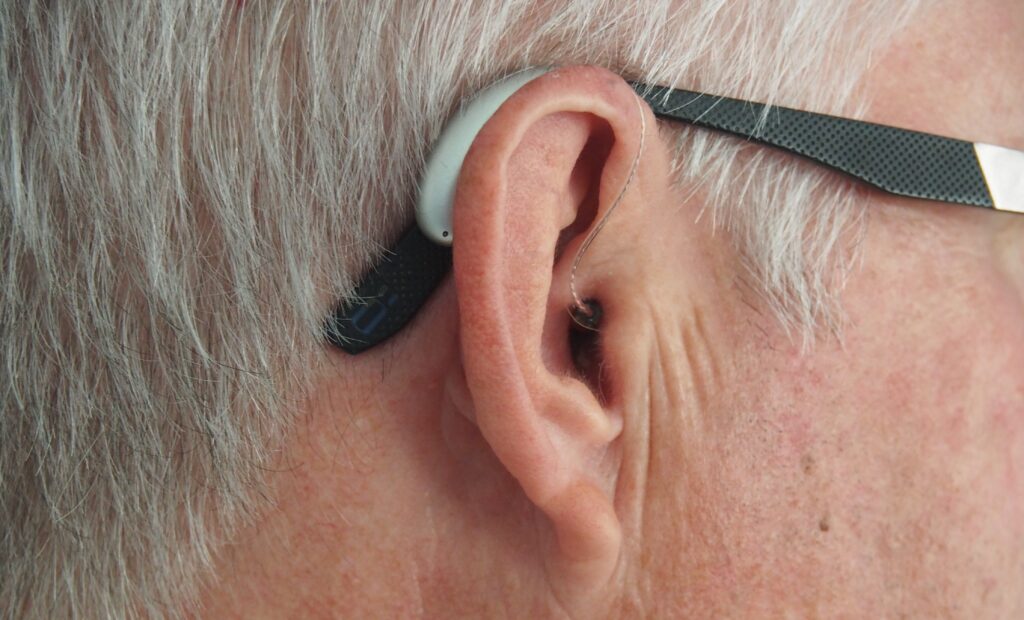
Hearing aids are commonly recommended for individuals with hidden hearing loss. These devices amplify sounds and improve the perception of speech, particularly in challenging listening environments. Different styles and technology levels of hearing aids are available to accommodate individual preferences and degrees of hearing difficulty.
B. Assistive Listening Devices
Assistive listening devices (ALDs) are designed to enhance sound signals in specific listening situations. ALDs can include personal amplifiers, FM systems, induction loop systems, and captioning devices. These devices can be used in conjunction with hearing aids or as standalone devices to improve speech understanding and reduce the impact of background noise.
C. Cochlear Implants
In severe cases of hidden hearing loss, where traditional hearing aids do not provide sufficient benefit, cochlear implants may be considered. Cochlear implants are surgically implanted devices that directly stimulate the auditory nerve, bypassing the damaged hair cells in the inner ear. They can help individuals with significant hearing loss regain access to sound and improve their ability to understand speech.
D. Auditory Training
Auditory training programs aim to improve an individual’s ability to process and understand speech sounds. These programs involve various exercises that focus on auditory discrimination, sound recognition, and speech understanding. Auditory training can be beneficial for individuals with hidden hearing loss to help them better discern speech in challenging listening situations.
E. Noise Protection
Preventing further damage to the auditory system is crucial for individuals with hidden hearing loss. Using appropriate hearing protection, such as earplugs or earmuffs, in noisy environments can help minimize exposure to loud sounds. By protecting the ears, hidden hearing loss progression can be slowed or prevented.
VI. Coping Strategies for Hidden Hearing Loss
A. Communication Tips
Implementing effective communication strategies can greatly improve interactions for individuals with hidden hearing loss. Strategies such as maintaining eye contact, facing the person you are conversing with, asking for repetition or clarification, and choosing quieter environments can enhance speech understanding and minimize communication difficulties.
B. Advocacy and Support
Finding a support network and connecting with others who have hidden hearing loss can be beneficial in coping with the challenges it presents. Support groups, online communities, and advocacy organizations can provide valuable resources, information, and a sense of understanding, reducing feelings of isolation and offering advice on managing daily life with hidden hearing loss.
C. Stress Management Techniques
Living with hidden hearing loss can sometimes be stressful, especially in situations where communication is challenging. Adopting stress management techniques, such as deep breathing exercises, meditation, or engaging in hobbies and activities that bring joy, can help reduce stress levels and promote overall well-being.
VII. Preventing Hidden Hearing Loss
A. Avoiding Loud Noise Exposure
One of the most effective ways to prevent hidden hearing loss is by minimizing exposure to loud noises. Limiting time spent in noisy environments and using hearing protection, such as earplugs or earmuffs, can greatly reduce the risk of experiencing further damage to the auditory system.
B. Protecting Ears in Noisy Environments
When encountering situations with excessive noise, it is important to take measures to protect your ears. Wearing appropriate hearing protection, such as earplugs or earmuffs, can help reduce the impact of loud sounds and prevent hidden hearing loss.
C. Regular Hearing Check-ups
Regular hearing check-ups with a qualified audiologist can help detect any changes in your hearing ability, even before symptoms of hidden hearing loss manifest. By identifying early signs, appropriate interventions and preventive measures can be implemented to mitigate the progression of hearing loss.
D. Healthy Lifestyle Habits
Maintaining a healthy lifestyle can contribute to overall hearing health. Avoiding smoking, limiting alcohol consumption, maintaining a balanced diet, exercising regularly, and managing chronic health conditions can help protect and preserve the health of the auditory system.
VIII. Research and Future Developments in Hidden Hearing Loss
A. Understanding the Mechanisms
Ongoing research aims to deepen our understanding of the underlying mechanisms behind hidden hearing loss. Scientists are exploring the relationship between damaged nerve fibers, auditory synaptopathy, and the resulting hearing difficulties to develop targeted interventions for this condition.
B. Experimental Treatments
Researchers are investigating potential treatments for hidden hearing loss, including novel medications, gene therapies, and stem cell interventions. These experimental treatments have the potential to repair or regenerate damaged nerve fibers, offering hope for improved hearing outcomes.
C. Genetic Studies
Genetic studies play a crucial role in uncovering the genetic factors that contribute to hidden hearing loss. By elucidating the genetic foundations of this condition, researchers can develop genetic screening tests, personalized treatment approaches, and potentially discover new therapeutic targets.
D. Advances in Technology
Advances in technology, such as improved hearing aid algorithms, wireless connectivity, and speech enhancement algorithms, are continually being developed to address the specific needs of individuals with hidden hearing loss. These technological advancements aim to improve speech intelligibility and enhance the overall listening experience for those with hidden hearing loss.
X. Conclusion
Hidden hearing loss is a complex condition that poses unique challenges for individuals in various listening situations. Understanding its causes, recognizing the symptoms, and seeking timely diagnosis are crucial for addressing this form of hearing impairment. With appropriate treatment options, coping strategies, prevention measures, and ongoing research developments, individuals with hidden hearing loss can lead fulfilling lives and effectively manage their hearing difficulties.