

Have you ever wondered how hearing loss can affect our ability to learn? It’s something that often goes unnoticed, but the impact can be significant. In this article, we’ll delve into the topic of hearing loss and its connection to learning. We’ll explore the different ways in which our hearing plays a crucial role in our ability to understand and retain information. So, let’s dive in and learn more about this fascinating topic!
When it comes to learning, our ability to hear and understand plays a vital role. Imagine sitting in a classroom or attending a virtual lecture, trying to grasp the concepts being taught while struggling to hear the instructor’s voice clearly. It can be incredibly challenging and frustrating, making it difficult to fully comprehend and engage with the material. Hearing loss can have a direct impact on our ability to follow instructions, participate in discussions, and fully grasp the nuances of different subjects.
Not only does hearing loss affect our ability to understand and absorb information, but it can also impact our communication skills. In a classroom or social setting, effective communication is key to building relationships and forming connections. When we have difficulty hearing, it can lead to misunderstandings, misinterpretations, and even isolation. It can be disheartening to feel left out of conversations or to constantly ask others to repeat themselves. Understanding the link between hearing loss and communication is crucial in addressing the needs of individuals with hearing impairments.
In this article, we’ll explore the various causes of hearing loss, from genetic factors to exposure to loud noises. We’ll delve into the different types of hearing loss, such as conductive and sensorineural, and discuss the various treatment options available. We’ll also provide tips and strategies for those with hearing loss to navigate learning environments effectively. So, whether you’re personally affected by hearing loss or simply interested in understanding this topic better, join us as we dive deeper into the world of hearing loss and learning.
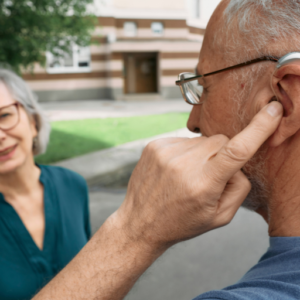
Understanding Hearing Loss
Hearing loss is a common condition that affects millions of people worldwide. It can have a profound impact on daily life, communication, and overall well-being. In this article, we will explore what hearing loss is, its causes and types, the impact it has on individuals, ways to diagnose and prevent it, assistive devices and technology available, support and resources for those with hearing loss, communication strategies, and dispelling myths and misconceptions surrounding the condition.
What is Hearing Loss
Definition of Hearing Loss
Hearing loss is the partial or total inability to hear sounds in one or both ears. It can range from mild to severe and can affect people of all ages. The World Health Organization (WHO) estimates that over 5% of the global population live with disabling hearing loss, with the prevalence increasing as people age.
Causes of Hearing Loss
Hearing loss can be caused by various factors, including:
- Age: The most common cause of hearing loss is age-related hearing loss, also known as presbycusis. As individuals grow older, the sensory cells in the inner ear gradually deteriorate, resulting in hearing loss.
- Noise exposure: Prolonged exposure to loud noises, such as working in noisy environments or attending loud concerts without ear protection, can damage the delicate structures in the inner ear and lead to hearing loss.
- Genetics: Some individuals are born with genetic mutations that make them more susceptible to hearing loss. These genetic factors can affect the development or function of the inner ear, resulting in hearing loss.
- Illnesses and medical conditions: Certain illnesses and medical conditions, such as otitis media (ear infections), Meniere’s disease, and autoimmune disorders, can cause hearing loss.
- Medications and ototoxic substances: Certain medications, such as certain antibiotics and chemotherapy drugs, can damage the structures of the inner ear and lead to hearing loss. Additionally, exposure to certain ototoxic substances, such as solvents and heavy metals, can also cause hearing loss.
Types of Hearing Loss
There are three main types of hearing loss:
- Conductive hearing loss: This type of hearing loss occurs when there is a problem with the outer or middle ear that prevents sound from reaching the inner ear. It can be caused by conditions such as earwax buildup, fluid in the middle ear, or a perforated eardrum.
- Sensorineural hearing loss: Sensorineural hearing loss occurs when the inner ear (cochlea) or the auditory nerve is damaged. It is the most common type of hearing loss and is often caused by age, noise exposure, and genetic factors.
- Mixed hearing loss: Mixed hearing loss is a combination of conductive and sensorineural hearing loss. Individuals with mixed hearing loss have problems with both the outer or middle ear and the inner ear or auditory nerve.
Impact of Hearing Loss
Effects of Hearing Loss on Communication
Hearing loss can have a significant impact on communication. Individuals with hearing loss may struggle to understand spoken language, particularly in noisy environments. They may have difficulty following conversations, especially when multiple people are speaking at once. This can lead to feelings of frustration, isolation, and reduced participation in social activities.
Social and Emotional Impact of Hearing Loss
The social and emotional impact of hearing loss can be significant. Individuals with hearing loss may experience feelings of embarrassment, shame, and self-consciousness. They may avoid social situations and feel isolated from family, friends, and colleagues. The impact on one’s mental health cannot be overlooked, as hearing loss has been associated with increased rates of depression and anxiety.
Educational Implications of Hearing Loss
Hearing loss can also impact educational outcomes, particularly in children. Difficulties in hearing and understanding instructions in the classroom can hamper academic performance, leading to frustration and reduced self-esteem. It is crucial for educators to be aware of students’ hearing loss and provide necessary accommodations, such as preferential seating, assistive devices, and access to sign language interpreters, to ensure inclusion and equal opportunities for learning.
Diagnosing Hearing Loss
Signs and Symptoms of Hearing Loss
Recognizing the signs and symptoms of hearing loss is essential in obtaining early diagnosis and intervention. Some common signs of hearing loss include:
- Difficulty understanding speech, especially in noisy environments
- Frequently asking others to repeat themselves
- Turning up the volume on electronic devices or the television
- Muffling or distortion of sounds
- Withdrawal from social situations
- Ringing or buzzing sensation in the ears (tinnitus)
Hearing Tests and Evaluations
To diagnose hearing loss, individuals undergo hearing tests and evaluations conducted by audiologists. These tests determine the degree and type of hearing loss. Common tests include pure-tone audiometry, in which the individual listens to sounds of various frequencies and volumes, and speech audiometry, which assesses the ability to understand speech.
Treatment Options for Hearing Loss
The treatment options for hearing loss depend on the severity and type of hearing loss. The most common treatment solutions include:
- Hearing aids: Hearing aids are wearable devices that amplify sound and enhance hearing. They come in various styles and sizes, including behind-the-ear (BTE), in-the-ear (ITE), and completely-in-canal (CIC). Hearing aids can significantly improve communication and quality of life for individuals with hearing loss.
- Cochlear implants: Cochlear implants are electronic devices that are surgically implanted to restore hearing in individuals with severe to profound sensorineural hearing loss. They bypass the damaged parts of the inner ear and directly stimulate the auditory nerve.
- Other assistive listening devices: Assistive listening devices, such as personal FM systems, loop systems, and captioning devices, can help individuals with hearing loss communicate more effectively in various settings. These devices work in conjunction with hearing aids or cochlear implants to improve speech clarity and reduce background noise.

Preventing Hearing Loss
Awareness and Education
Raising awareness about the causes and prevention of hearing loss is crucial in preventing the condition. Education campaigns should emphasize the importance of protecting hearing, the risks associated with prolonged exposure to loud noises, and the availability of hearing protection devices. Public health initiatives should target both individuals and employers, promoting safe listening practices in workplaces and recreational settings.
Protecting Hearing in Noisy Environments
Protecting hearing in noisy environments is essential to prevent hearing loss. Individuals should use ear protection, such as earplugs or earmuffs, when exposed to loud noises for extended periods. This is particularly important in occupations that involve working with heavy machinery, construction sites, music venues, or shooting ranges. Limiting exposure to loud noises and taking regular breaks can also help reduce the risk of hearing loss.
Healthy Habits for Hearing Preservation
Maintaining healthy habits can contribute to hearing preservation. Avoiding smoking and excessive alcohol consumption can help reduce the risk of hearing loss. Additionally, maintaining overall physical health, including regular exercise and a balanced diet, can improve blood circulation to the ears and preserve hearing.
Assistive Devices and Technology
Hearing Aids
Hearing aids are the most common and widely used assistive devices for individuals with hearing loss. They are designed to amplify sound and improve speech comprehension. Modern hearing aids are discreet, technologically advanced, and can be tailored to individual hearing needs. They come with various features, such as wireless connectivity, noise reduction, and directional microphones, to enhance the listening experience.
Cochlear Implants
Cochlear implants are a recommended option for individuals with severe to profound sensorineural hearing loss who do not benefit from hearing aids. These devices consist of an external processor and an internal component that is surgically implanted. Cochlear implants convert sound into electrical signals that directly stimulate the auditory nerve, bypassing the damaged parts of the inner ear.
Other Assistive Listening Devices
In addition to hearing aids and cochlear implants, there are various other assistive listening devices available to individuals with hearing loss. These include personal FM systems, which transmit sound directly to the listener’s hearing aid or cochlear implant; loop systems, which use magnetic fields to deliver sound to hearing aids; and captioning devices, which provide visual captions for television or public events.
Support and Resources for Individuals with Hearing Loss
Support Groups and Advocacy Organizations
Support groups and advocacy organizations play a vital role in providing information, support, and resources to individuals with hearing loss and their families. These groups offer a platform for connecting with others who share similar experiences, providing emotional support, and sharing strategies for coping with hearing loss. National and international organizations, such as the Hearing Loss Association of America (HLAA) and the National Association of the Deaf (NAD), offer a wealth of resources and support.
Accessibility and Accommodations
Ensuring accessibility and accommodations for individuals with hearing loss is essential in promoting inclusivity. Public spaces, workplaces, and educational institutions should provide assistive listening devices, captioning services, and sign language interpreters to facilitate effective communication. Closed captioning on television programs and movies should be readily available to make media accessible to individuals with hearing loss.
Financial Assistance Programs
Hearing loss treatment can be costly, and not everyone may have access to the necessary financial resources. Government programs, insurance coverage, and nonprofit organizations often provide financial assistance for hearing aids, cochlear implants, and other assistive devices. It is important for individuals with hearing loss to explore these options and seek assistance when needed.
Communication Strategies for Individuals with Hearing Loss
Effective Communication Techniques
Effective communication techniques can greatly improve interactions with individuals with hearing loss. These include:
- Facing the individual directly and maintaining eye contact.
- Speaking clearly and at a moderate pace.
- Using visual cues and gestures to enhance understanding.
- Minimizing background noise and distractions.
- Rephrasing or paraphrasing if the individual doesn’t understand.
Tips for Communicating with Hearing Loss
When communicating with someone with hearing loss, there are several things we can do to facilitate effective communication:
- Speak clearly: Speak clearly and articulate your words. Avoid speaking too fast or mumbling, as this can make it more difficult for individuals with hearing loss to understand.
- Face the person directly: Ensure that you are facing the individual with hearing loss, as lip reading and visual cues can aid in comprehension.
- Minimize background noise: Reduce background noise as much as possible. Move to a quiet location or turn off unnecessary sources of noise, such as a television or music.
- Use visual cues: Incorporate visual cues, such as gestures and facial expressions, to enhance understanding. These cues can provide important context and help individuals with hearing loss follow the conversation more easily.
Improving Communication Skills
Individuals with hearing loss can also actively work on improving their communication skills. This can involve participating in speechreading or lipreading classes, joining communication therapy sessions, or learning sign language. These skills can enhance communication abilities and boost confidence in social interactions.
Addressing Hearing Loss in Different Age Groups
Hearing Loss in Children
Hearing loss in children can have a significant impact on their development, speech, language acquisition, and educational attainment. Early identification and intervention are crucial to minimize the effects of hearing loss. Newborn hearing screenings, regular hearing evaluations, and access to appropriate amplification devices and educational services can greatly improve outcomes for children with hearing loss.
Hearing Loss in Adults
Hearing loss in adults can affect their overall well-being, communication, and relationships. It is important for adults to be proactive in seeking hearing evaluations, using hearing aids or other assistive listening devices, and practicing communication strategies to maintain a high quality of life.
Hearing Loss in the Elderly
Hearing loss is particularly prevalent in the elderly population, with age-related hearing loss affecting a significant number of older adults. The impact of hearing loss in the elderly can be even more pronounced due to the potential for social isolation and cognitive decline. Regular hearing screenings, access to hearing aids or cochlear implants, and support from healthcare professionals can greatly improve the overall quality of life for older adults with hearing loss.
Myths and Misconceptions about Hearing Loss
Common Myths about Hearing Loss
There are several common myths and misconceptions surrounding hearing loss. Some examples include:
- Hearing loss only affects older adults: While age-related hearing loss is common, hearing loss can affect individuals of all ages, from infants to the elderly.
- Hearing loss cannot be treated: While hearing loss may be irreversible in some cases, many individuals can benefit from hearing aids, cochlear implants, and other assistive devices that improve their hearing and communication abilities.
- Hearing aids restore hearing to normal: Hearing aids cannot restore hearing to normal, but they can significantly improve communication and quality of life for individuals with hearing loss.
Dispelling Misconceptions through Education
Dispelling myths and misconceptions about hearing loss is essential in promoting understanding and empathy for individuals with hearing loss. Education about the causes, types, and treatment options for hearing loss can help eliminate stereotypes and misconceptions. Increasing awareness about the impact of hearing loss on individuals’ lives and the strategies that can enhance communication can foster a more inclusive and supportive society.
Promoting Understanding and Acceptance
Promoting understanding and acceptance of hearing loss involves creating an environment that accommodates and values individuals with hearing loss. This can include providing accessible communication options, offering educational resources, and promoting inclusive practices in schools, workplaces, and public spaces. By fostering empathy and inclusivity, we can create a society that embraces and supports individuals with hearing loss.
Conclusion
Understanding hearing loss is essential in promoting awareness, early intervention, and support for individuals with this condition. It is a multifaceted issue that can have significant impacts on communication, social interactions, education, and quality of life. By debunking myths and misconceptions, providing accessible resources and support, and implementing proactive prevention strategies, we can create a world that values and embraces individuals with hearing loss. Let us strive for inclusivity, understanding, and acceptance, making a difference in the lives of those with hearing loss.