
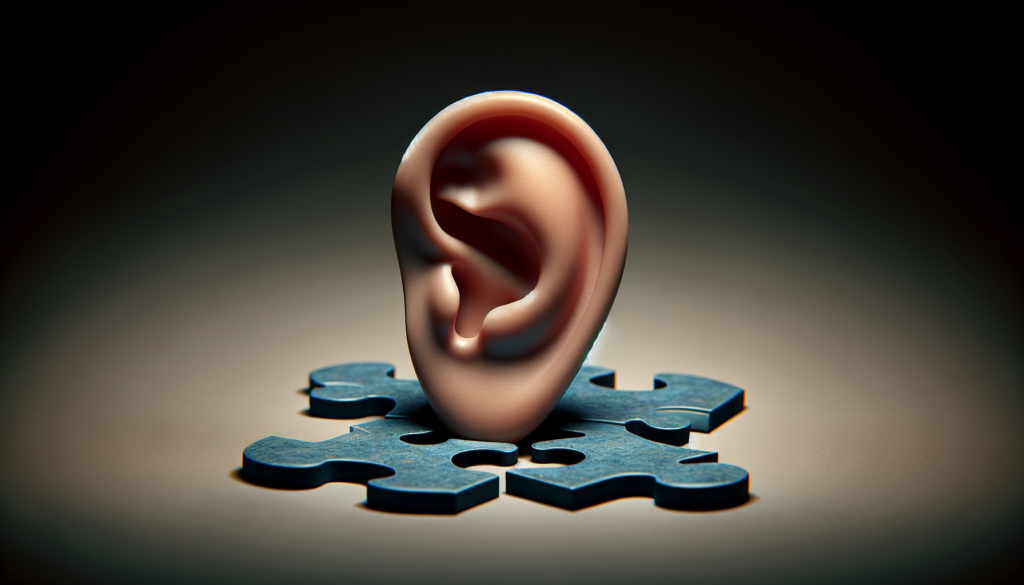
Imagine going through life unable to hear the sounds of laughter, the whispers of loved ones, or the melodies of your favorite songs. This is the reality for millions of people worldwide who suffer from untreated hearing loss. What many may not realize is that the consequences of hearing loss extend far beyond the physical inability to perceive sound. In fact, research has shown a significant impact of untreated hearing loss on mental health. From feelings of isolation and depression to cognitive decline, the repercussions of not addressing this issue can be profound. However, there is hope. By shedding light on the connection between hearing loss and mental well-being, we can encourage individuals to take action and consider the life-changing benefit of hearing aid devices. It’s time to bridge the gap and prioritize both our hearing and our mental health.

I. Social Isolation and Loneliness
Living with untreated hearing loss can be incredibly challenging, often leading to various negative consequences that greatly impact your mental health and overall well-being. This article aims to shed light on the potential effects of untreated hearing loss on mental health and underscore the importance of seeking appropriate medical intervention.
A. Difficulty communicating with others
Untreated hearing loss can make it tremendously difficult to effectively communicate with others. When you struggle to hear and understand conversations, it becomes challenging to actively engage in social interactions. Simple everyday tasks, like participating in group conversations or following along with a movie dialogue, can become sources of frustration and isolation.
B. Withdrawal from social activities
Due to the difficulties associated with communicating, individuals with untreated hearing loss often find themselves withdrawing from social activities. The fear of being misunderstood or embarrassed by constantly needing others to repeat themselves can lead to a sense of isolation and reluctance to engage in social gatherings.
C. Reduced quality of relationships
Untreated hearing loss can negatively affect the quality of your relationships. Miscommunications and misunderstandings may arise, leading to frustrations and strain on interpersonal connections. Over time, this strain can erode the closeness and intimacy you once shared with loved ones, and may even lead to feelings of loneliness and detachment.
II. Cognitive Decline
A. Increased risk of dementia and cognitive impairment
Studies have shown a correlation between untreated hearing loss and an increased risk of developing dementia and cognitive impairment. The brain relies on auditory input for processing and stimulating cognitive functions, and when hearing loss is left unaddressed, it can result in a decline in cognitive abilities.
B. Strain on cognitive resources
Living with untreated hearing loss places significant strain on cognitive resources. The mental effort required to constantly decipher and understand sounds can lead to exhaustion and a depletion of cognitive resources. This strain can impact memory, attention, and overall cognitive processing abilities.
C. Decreased cognitive abilities
Untreated hearing loss has been linked to a decrease in cognitive abilities. The brain’s ability to process and interpret new information relies heavily on auditory input. Without the full range of sounds and speech, cognitive abilities such as problem-solving, decision-making, and critical thinking may be impaired.
III. Depression and Anxiety
A. Negative impact on mental well-being
Untreated hearing loss can have a significant negative impact on your mental well-being. The emotional toll of struggling to hear and communicate effectively can lead to feelings of frustration, sadness, and even isolation. Over time, this can contribute to the development of depression and anxiety.
B. Increased risk of developing depression
The persistent challenges of untreated hearing loss can increase the risk of developing depression. Prolonged feelings of frustration, isolation, and loneliness can take a severe toll on your mental health and overall outlook on life. Seeking appropriate intervention for hearing loss can help improve your emotional well-being and reduce the risk of depression.
C. Heightened anxiety levels
Living with untreated hearing loss often results in heightened anxiety levels. The fear of missing important information or misunderstanding others can create a constant state of worry and apprehension. This anxiety can hinder social interactions and further contribute to feelings of isolation and loneliness.
IV. Decreased Emotional Well-being
A. Frustration and irritability
Untreated hearing loss can lead to increased frustration and irritability. Struggling to hear and engage in conversations can be incredibly exasperating, and the inability to fully participate in social situations can cause feelings of annoyance and agitation.
B. Decreased self-confidence
The impact of untreated hearing loss on self-confidence is profound. Difficulty hearing and understanding others may lead to self-doubt, diminished self-esteem, and a reluctance to engage in social situations. Over time, this can chip away at your sense of self-worth and hinder personal growth.
C. Emotional distress
Living with untreated hearing loss can subject you to significant emotional distress. Constantly feeling left out, struggling to communicate, and experiencing miscommunications can take a toll on your emotional well-being. Seeking intervention and utilizing appropriate hearing aids can alleviate these distressing emotions and improve your overall quality of life.
V. Impaired Work Performance and Career Limitations
A. Difficulty communicating with colleagues and customers
Untreated hearing loss can significantly impact your ability to communicate effectively at work. Whether communicating with colleagues or interacting with customers, the inability to hear and understand instructions or information can hinder your overall job performance and limit career opportunities.
B. Reduced productivity and efficiency
The challenges presented by untreated hearing loss can result in reduced productivity and efficiency at work. Struggling to follow conversations, missing important details, and experiencing frequent misunderstandings can slow down your work pace and lead to errors.
C. Career limitations and missed opportunities
Failure to address hearing loss can lead to career limitations and missed opportunities. Communication is a critical aspect of professional success, and when hearing loss goes untreated, it becomes increasingly challenging to advance in the workplace, potentially limiting your career growth and overall job prospects.
VI. Impact on Cognitive and Emotional Development in Children
A. Language and speech delay
Untreated hearing loss in children can have a detrimental impact on their language and speech development. Hearing is crucial for acquiring language skills, and if left unaddressed, hearing loss can delay language milestones and impede their ability to communicate effectively with others.
B. Academic difficulties
Children with untreated hearing loss often struggle academically. The inability to hear instructions clearly, follow classroom discussions, and engage in verbal learning activities can hinder their educational progress and result in academic difficulties.
C. Social and emotional challenges
Untreated hearing loss in children can lead to various social and emotional challenges. Difficulty communicating and participating in social interactions with peers may result in feelings of isolation, low self-esteem, and frustration. It is crucial to address hearing loss in children to promote their cognitive and emotional development.
VII. Increased Risk of Accidents and Safety Concerns
A. Impaired situational awareness
Untreated hearing loss can impair situational awareness, making it challenging to perceive and respond to potential hazards. Sounds like alarms, car horns, or warnings might go unnoticed, potentially leading to accidents and compromising personal safety.
B. Difficulty hearing alarms and warning signals
Auditory warnings and signals are important for maintaining personal safety, but individuals with untreated hearing loss may struggle to hear these critical auditory cues. This can place them at a higher risk of accidents and potential harm.
C. Increased risk of falls and injuries
Untreated hearing loss has been linked to an increased risk of falls and injuries. Difficulty perceiving environmental sounds, such as footsteps or approaching vehicles, can lead to accidents and falls that pose a threat to personal safety.
VIII. Financial Burden
A. Healthcare costs for untreated hearing loss
Untreated hearing loss can result in significant healthcare costs. This may include regular visits to healthcare professionals, seeking treatment for related medical conditions, and potential complications arising from untreated hearing loss.
B. Impact on employment and income
Hearing loss that goes untreated can have a substantial impact on employment and income. Difficulties in the workplace due to communication challenges can limit job opportunities, hinder career progression, and potentially lead to reduced income.
C. Cost of potential complications
Untreated hearing loss can lead to various complications, such as cognitive decline, mental health issues, and safety concerns. Addressing these complications might incur additional costs for medical treatment, rehabilitation, and support services, highlighting the financial burden that can arise from neglecting hearing loss.

IX. Strained Relationships and Communication Challenges
A. Misunderstandings and conflicts
Untreated hearing loss can contribute to misunderstandings and conflicts in relationships. The inability to hear and understand others can result in misinterpretations, frustration, and strained interactions with loved ones and friends.
B. Increased dependence on others
Living with untreated hearing loss often necessitates increased dependence on others. Constantly seeking clarification, assistance, and support can create imbalances in relationships, leading to feelings of vulnerability and a loss of independence.
C. Communication breakdown
Untreated hearing loss can ultimately lead to a breakdown in communication. When conversations become a source of frustration and misunderstanding, it can strain relationships and diminish the quality of interpersonal connections.
X. Delayed Medical Intervention and Treatment
A. Limited access to healthcare
Untreated hearing loss may result in delayed access to appropriate medical intervention and treatment. Without timely diagnosis and intervention, related medical conditions can worsen and become more challenging to manage effectively.
B. Delayed diagnosis and treatment
Neglecting hearing loss can lead to delayed diagnosis and treatment, resulting in potential complications and prolonged difficulties. Seeking early intervention ensures timely and appropriate management, minimizing the long-term consequences of untreated hearing loss.
C. Long-term consequences
The long-term consequences of untreated hearing loss can be significant and may impact various aspects of your life, including mental health, cognitive abilities, relationships, career, and overall well-being. Addressing hearing loss promptly can help mitigate these long-term consequences, allowing you to lead a fulfilling and active life.
In conclusion, untreated hearing loss can have far-reaching effects on mental health and overall well-being. It is crucial to recognize the potential consequences and seek appropriate intervention to address hearing loss promptly. By doing so, you can enhance your quality of life, improve relationships, maintain cognitive function, and ensure personal safety and financial stability. Don’t let untreated hearing loss hold you back – take action and explore the available options to support your hearing health and mental well-being.
