
This article is all about a study that looked at how taking certain vitamins and minerals can help with hearing loss as you get older. The study was done on rats, and they were split into two groups. One group ate a regular diet, while the other group ate a diet that had extra vitamins A, C, E, and magnesium. The researchers then made loud noises to make the rats have hearing loss, and they measured their hearing at different ages. The results showed that the rats that ate the extra vitamins and minerals had better hearing than the ones that didn’t. This suggests that taking these vitamins and minerals might be a good way to help slow down hearing loss as you get older.

Introduction to Age-Related Hearing Loss (ARHL)
Age-Related Hearing Loss (ARHL), also known as presbycusis, is a common condition that affects many older adults. It is a gradual loss of hearing that occurs as a result of aging. As you get older, the delicate structures in your ears that allow you to hear start to become less efficient and can cause difficulties in understanding speech, hearing certain frequencies, and distinguishing sounds in noisy environments.
Definition of ARHL
ARHL is a condition where individuals experience a decline in their ability to hear sounds and understand speech as they age. It is a normal part of the aging process and can happen to anyone, although it tends to occur more frequently in older adults.
This image is property of www.ncbi.nlm.nih.gov.

Prevalence of ARHL
ARHL is a widespread condition that affects a large number of older adults worldwide. According to research, it is estimated that approximately one in three people over the age of 65 and half of people over the age of 75 have some degree of hearing loss.
Causes of ARHL
There are several factors that contribute to the development of ARHL. These include:
-
Natural aging process: As you grow older, the tiny hair cells in your inner ear that detect sound waves can become damaged or die. This can affect your ability to hear high-frequency sounds.
-
Exposure to loud noises: Repeated or prolonged exposure to loud sounds, such as loud music or machinery, can damage the hair cells in your ears and lead to hearing loss over time.
-
Genetics: Some people may be more genetically predisposed to developing ARHL, meaning their family history may play a role in the condition.
-
Other health conditions: Certain medical conditions such as diabetes, high blood pressure, and cardiovascular disease have been linked to an increased risk of developing ARHL.
-
Medications: Some medications, such as certain antibiotics and chemotherapy drugs, can cause damage to the hearing cells in your ears and contribute to hearing loss.
This image is property of www.ncbi.nlm.nih.gov.
Effects of ACEMg Supplementation on ARHL
ACEMg supplementation refers to the intake of a combination of vitamins A, C, E, and magnesium. Recent research has investigated the potential benefits of ACEMg supplementation in reducing the risk and progression of ARHL. Let’s take a closer look at the effects of ACEMg supplementation on ARHL.
Overview of ACEMg Supplementation
ACEMg supplementation involves taking a combination of vitamins A, C, E, and magnesium as a dietary supplement. These vitamins and minerals play important roles in supporting the overall health and function of the body, including the health of the inner ear.
This image is property of www.ncbi.nlm.nih.gov.
Background of the Study
A study was conducted using an animal model (rats) to investigate the effects of ACEMg supplementation on age-related hearing loss. The study aimed to determine whether ACEMg could help protect against hearing loss and delay the progression of ARHL.
Objective of the Study
The objective of the study was to assess the effectiveness of ACEMg supplementation in preventing or reducing age-related hearing loss. The researchers wanted to determine whether rats fed an ACEMg-enriched diet would have better auditory function compared to rats on a normal diet.

This image is property of www.ncbi.nlm.nih.gov.
Methodology
To conduct the study, rats were divided into two groups. One group received a normal diet, while the other group received a diet enriched with ACEMg. In order to accelerate the development of ARHL, noise overstimulation was used. This involved exposing the rats to high levels of noise, similar to what humans may experience in a noisy environment.
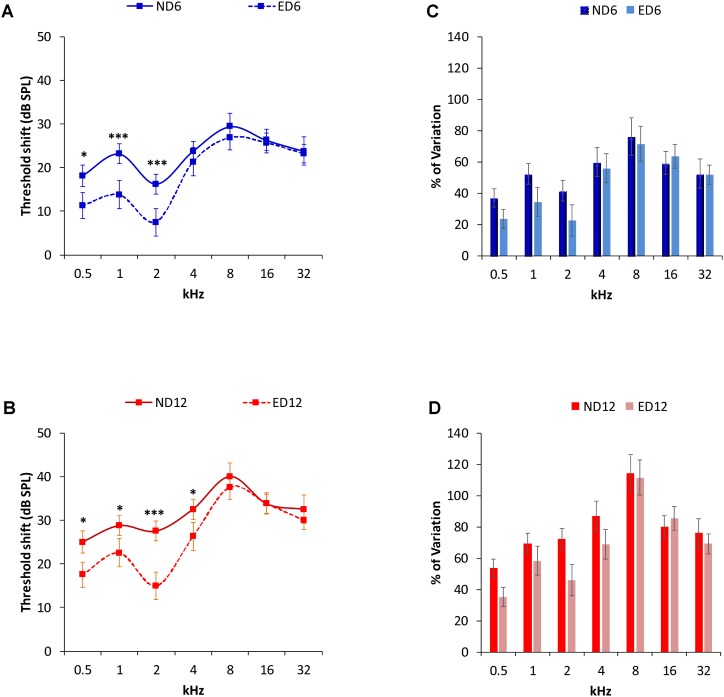
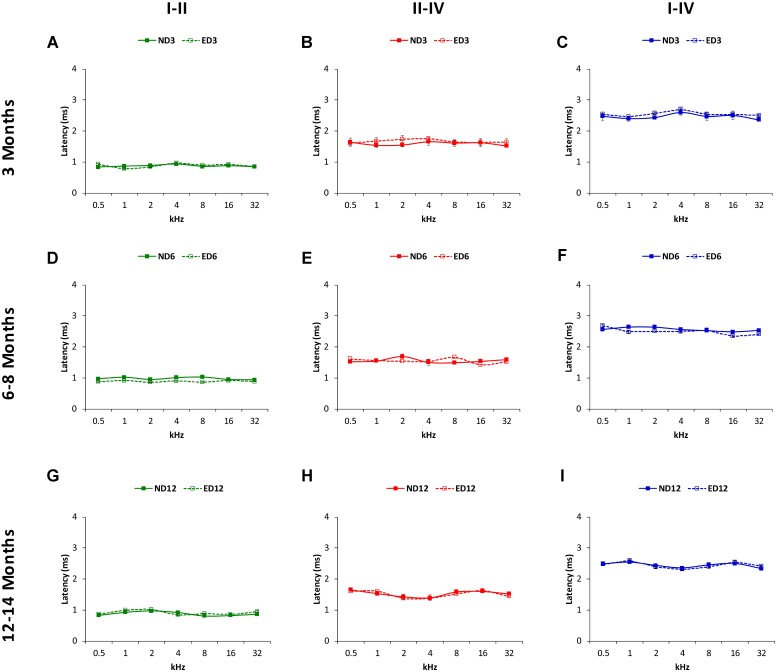
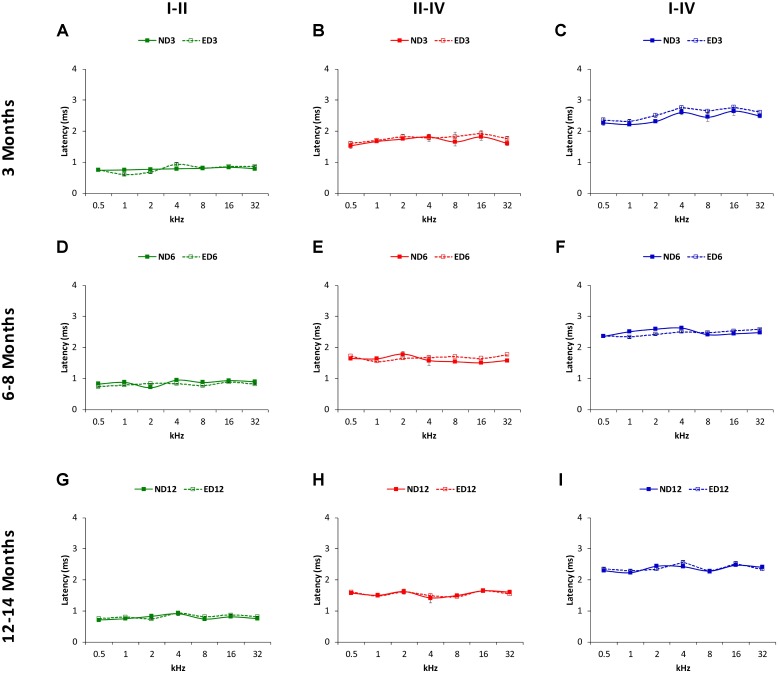
Auditory brainstem response (ABR) recordings were taken at three different age intervals: 3 months, 6-8 months, and 12-14 months. This allowed the researchers to assess the rats’ auditory thresholds and wave amplitudes, which are indicators of hearing function.
Results of the Study
The results of the study showed that rats fed the ACEMg-enriched diet had lower auditory thresholds compared to rats on the normal diet. This means that the ACEMg supplementation helped improve the rats’ ability to hear sounds at different frequencies.
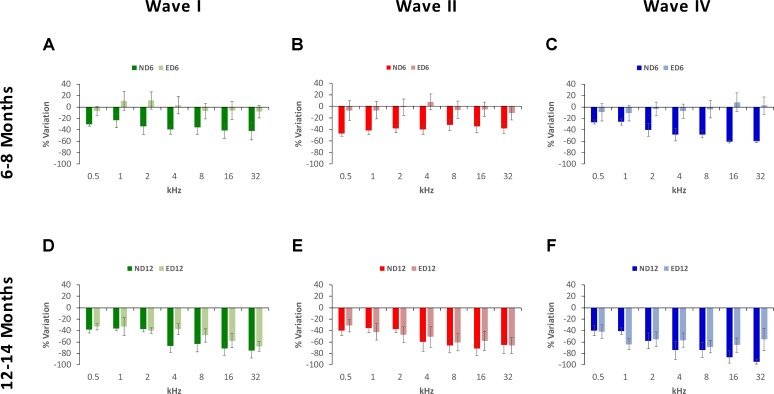
Additionally, the study found that rats on the ACEMg-enriched diet had larger wave amplitudes compared to rats on the normal diet. This suggests that ACEMg supplementation may contribute to better neural responses to sound stimuli, enhancing overall auditory function.
This image is property of www.ncbi.nlm.nih.gov.
Discussion of Findings
The lower auditory thresholds observed in rats on the ACEMg-enriched diet indicate that ACEMg supplementation may have a protective effect on age-related hearing loss. By improving auditory thresholds, individuals may be able to hear a wider range of sounds and have better hearing abilities.
The larger wave amplitudes observed in rats on the ACEMg-enriched diet suggest that ACEMg supplementation may enhance the neural processing of sound stimuli in the brain. This can lead to clearer and more distinct perception of sounds, improving overall auditory function.
The potential mechanisms of ACEMg in ARHL are still being studied, but it is believed that the combination of vitamins A, C, E, and magnesium may have antioxidant and anti-inflammatory effects, protecting the delicate structures in the inner ear from damage and degeneration.
Comparison with Other Studies on Nutrition and Hearing Loss
Previous studies have also investigated the relationship between nutrition and hearing loss. Some of these studies have found that specific nutrients, such as omega-3 fatty acids and antioxidants, may have a protective effect on hearing function.
Compared to these previous studies, the ACEMg study provides further evidence that certain nutrients, when combined, may have a synergistic effect in preventing or reducing the risk of age-related hearing loss. The findings of the study suggest that ACEMg supplementation may offer potential benefits for individuals with ARHL.
Implications and Applications of ACEMg Supplementation
The advantages of oral ACEMg supplementation are that it is easy to take in the form of a dietary supplement and can be incorporated into a person’s daily routine. It is a convenient and accessible way to potentially improve hearing health.
ACEMg supplementation may also have the potential to serve as an adjuvant therapy for the treatment of ARHL. By combining ACEMg supplementation with other treatment options, individuals with ARHL may be able to delay the progression of hearing impairment and maintain better hearing abilities as they age.
Recommendations for ACEMg Supplementation
When considering ACEMg supplementation, it is important to consult with healthcare professionals, such as doctors or audiologists. They can provide guidance on the appropriate dosage of ACEMg based on individual needs and potential interactions with other medications or health conditions.
It is also important to be aware of potential side effects and precautions associated with ACEMg supplementation. While ACEMg is generally considered safe, excessive intake of certain vitamins and minerals can have adverse effects. It is essential to follow recommended dosage guidelines and monitor any changes in health while taking ACEMg supplements.
Conclusion
In conclusion, the study on ACEMg supplementation provides promising evidence that a combination of vitamins A, C, E, and magnesium may have a protective effect on age-related hearing loss. The results showed that rats fed an ACEMg-enriched diet had improved auditory thresholds and larger wave amplitudes compared to rats on a normal diet.
These findings suggest that ACEMg supplementation may be an effective adjuvant therapy for the treatment of ARHL, helping to delay the progression of hearing impairment associated with age. Further research is needed to fully understand the mechanisms of ACEMg in ARHL and to determine its potential benefits in humans.
Suggested Supplements for Hearing Loss
In addition to ACEMg supplementation, there are various other supplements that have been suggested to support hearing health. However, it is important to note that supplements should not replace a healthy and balanced diet. Here are some supplements that have shown potential benefits in supporting hearing health:
-
Omega-3 fatty acids: Found in fish oil and flaxseed oil, omega-3 fatty acids have anti-inflammatory properties that may help protect against age-related hearing loss. The recommended dosage of omega-3 fatty acids varies depending on individual needs and should be discussed with a healthcare professional.
-
Antioxidants: Antioxidants, such as vitamins A, C, and E, help reduce oxidative stress and protect against damage to the inner ear structures. Consuming a diet rich in fruits, vegetables, and whole grains can provide a natural source of antioxidants.
-
Magnesium: Magnesium is an important mineral that plays a role in maintaining the health of the inner ear and supporting nerve function. Foods rich in magnesium include nuts, seeds, whole grains, and green leafy vegetables.
-
Coenzyme Q10: Coenzyme Q10 is an antioxidant that has been suggested to support hearing health. It is naturally produced in the body but can also be taken as a supplement. The recommended dosage and potential interactions should be discussed with a healthcare professional.
Remember, it is always best to consult with a healthcare professional before starting any new supplements, as individual needs may vary and certain supplements may interact with medications or health conditions.
