
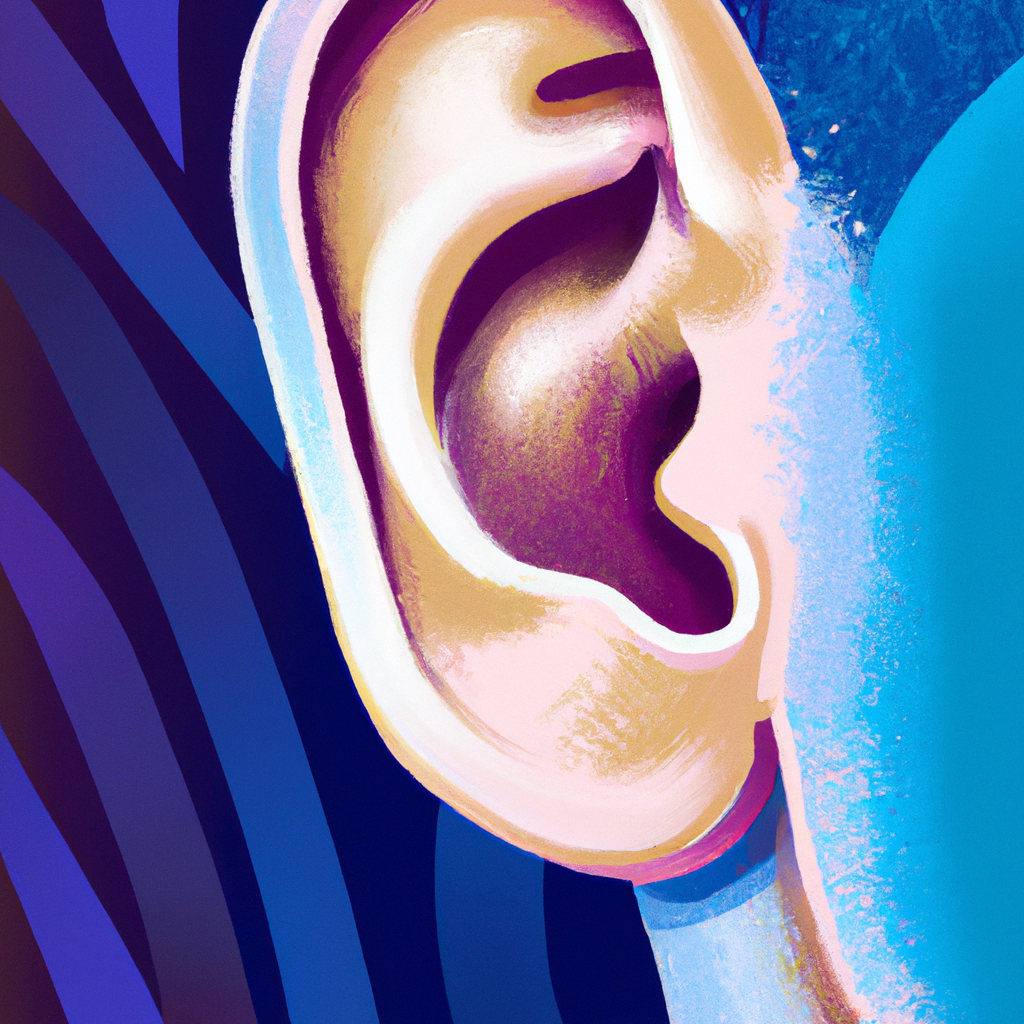
In this article, we will explore an incredibly common type of hearing loss called sensorineural hearing loss (SNHL). SNHL is caused by damage to the cochlea, auditory nerve, or central nervous system, and can be the result of various factors such as congenital issues, presbycusis, noise-induced damage, head injuries, or ototoxicity. The incidence of SNHL can vary among different countries and populations. This type of hearing loss occurs due to damage to the hair cells within the inner ear, vestibulocochlear nerve, or the brain’s central processing centers. Factors such as structural abnormalities, metabolic activity, vascular issues, and noise trauma can all contribute to SNHL. The organ of Corti, which is the sensory epithelium of the cochlea, plays a crucial role in hearing. Evaluating SNHL requires a comprehensive history and physical examination, as well as audiometric evaluations like tuning fork tests and pure tone audiograms. Additional tests such as tympanometry and otoacoustic emissions may also be conducted to assess SNHL. So, let’s dive into the fascinating world of sensorineural hearing loss and explore its causes, diagnosis, and treatment options.
This image is property of pixabay.com.

Causes of Sensorineural Hearing Loss
Sensorineural hearing loss (SNHL) is the most common type of hearing loss, accounting for the majority of cases. It occurs when there is damage to the cochlea, auditory nerve, or central nervous system. There are several potential causes of SNHL, including congenital factors, presbycusis, noise-induced damage, head injuries, and ototoxicity.
Congenital
Congenital SNHL refers to hearing loss that is present at birth or is acquired in the first few months of life. It can be caused by genetic factors or prenatal infections, such as rubella, cytomegalovirus, or toxoplasmosis. Congenital SNHL can range from mild to profound and may be unilateral or bilateral.
Presbycusis
Presbycusis is age-related hearing loss and is a common cause of SNHL in older adults. It occurs gradually over time and is often a result of the natural aging process. The exact mechanisms behind presbycusis are not fully understood but are thought to involve a combination of genetic, environmental, and lifestyle factors.
Noise-induced
Exposure to loud sounds or noise can cause damage to the delicate structures of the inner ear and result in SNHL. Prolonged or repeated exposure to high-intensity noise, such as loud machinery or music, can lead to irreversible damage to the hair cells in the cochlea. Noise-induced SNHL is preventable by taking precautions such as wearing hearing protection in noisy environments.
Head injury
Head injuries, particularly those that involve damage to the temporal bone or the auditory pathway, can lead to SNHL. Trauma from accidents, falls, or sports-related injuries can cause direct damage to the cochlea or auditory nerve, resulting in hearing loss. Prompt medical evaluation and treatment are crucial in these cases to prevent further damage and maximize recovery.
Ototoxicity
Certain medications, such as certain antibiotics, chemotherapy drugs, and high doses of aspirin, can be ototoxic, meaning they can cause damage to the cochlea or auditory nerve. This can result in SNHL. Monitoring of medication use and dose adjustments are important to minimize the risk of ototoxicity in patients who rely on these medications.
Incidence of Sensorineural Hearing Loss
The incidence of SNHL can vary between different countries and populations. Factors such as genetics, overall health, healthcare access, and noise exposure play a role in determining the prevalence of SNHL in specific regions.
Variation in different countries
The incidence of SNHL can vary significantly from one country to another. Some countries have higher rates of SNHL due to genetic factors or environmental conditions. For example, in some regions with limited access to healthcare or a high prevalence of untreated infections, there may be a higher incidence of congenital SNHL.
Variation in different populations
Even within a country, the incidence of SNHL can vary among different populations. Certain ethnic or racial groups may have higher rates of specific genetic conditions that contribute to SNHL. Additionally, economic factors, such as access to healthcare and preventive measures, can impact the prevalence of SNHL within a population.

Mechanisms of Sensorineural Hearing Loss
SNHL can occur due to damage to various components of the auditory system, including the hair cells in the cochlea, the vestibulocochlear nerve, or the brain’s central processing centers.
Damage to hair cells
The hair cells within the cochlea are responsible for converting sound vibrations into electrical signals that can be interpreted by the brain. Damage to these hair cells can result in SNHL. This damage can be caused by factors such as loud noise exposure, certain medications, or genetic abnormalities. Once the hair cells are damaged, they cannot be regenerated, leading to permanent hearing loss.
Damage to vestibulocochlear nerve
The vestibulocochlear nerve, also known as the eighth cranial nerve, transmits signals from the cochlea to the brain. If this nerve is damaged, it can disrupt the transmission of sound information and result in SNHL. Injuries, infections, tumors, or other medical conditions can cause damage to the vestibulocochlear nerve and lead to hearing loss.
Damage to brain’s central processing centers
The brain’s central processing centers, including the auditory cortex, are responsible for interpreting the electrical signals sent by the cochlea and translating them into meaningful sounds. If these centers are damaged due to illness, injury, or other factors, it can result in SNHL. Damage to the central processing centers can cause difficulties in understanding speech or processing sound information.
Factors Affecting Sensorineural Hearing Loss
Several factors can affect the development and progression of SNHL. These factors can vary from individual to individual and can contribute to the severity and impact of the hearing loss.
Structural abnormalities
Structural abnormalities of the ear, such as malformations of the cochlea or the auditory pathway, can affect the transmission of sound signals and result in SNHL. These abnormalities can be present at birth or acquired later in life due to trauma or disease.
Metabolic activity
Metabolic disorders, such as diabetes or certain thyroid conditions, can impact the blood supply to the inner ear, leading to SNHL. Fluctuations in blood sugar levels, for example, can affect the delicate structures within the cochlea and result in hearing loss.
Vascular issues
Poor blood circulation or damage to blood vessels can affect the health of the structures within the inner ear, causing SNHL. Conditions such as hypertension, atherosclerosis, or other vascular diseases can contribute to the development of hearing loss.
Noise trauma
Exposure to loud noises, especially for extended periods, can cause damage to the hair cells in the cochlea and result in SNHL. Individuals who work in noisy environments without proper hearing protection or those who engage in activities with high noise levels, such as gun shooting or music concerts, are at a higher risk of developing noise-induced SNHL.
This image is property of pixabay.com.
Importance of the Organ of Corti
The organ of Corti is a vital structure within the cochlea that plays a crucial role in the process of hearing. It is responsible for detecting sound vibrations and converting them into electrical signals that can be interpreted by the brain.
Role in hearing
The organ of Corti is composed of specialized hair cells that are responsible for transducing sound vibrations into electrical signals. These hair cells are arranged in rows along the cochlear duct and are stimulated by the movement of the fluid within the cochlea in response to sound waves. This stimulation triggers the release of neurotransmitters that send electrical signals to the brain.
Connection to SNHL
Damage to the hair cells of the organ of Corti is one of the primary causes of SNHL. The delicate hair cells are vulnerable to factors such as loud noise exposure, ototoxic medications, or genetic abnormalities. When the hair cells are damaged or destroyed, the transmission of sound signals to the brain is disrupted, resulting in hearing loss.
Evaluation of Sensorineural Hearing Loss
The evaluation of SNHL involves a thorough assessment of the individual’s hearing and overall health. The information gathered through various tests and examinations helps in diagnosing the cause and severity of the hearing loss and determining the most appropriate treatment options.
Thorough history and physical examination
A comprehensive history, including questions about the individual’s symptoms, medical history, exposure to noise, and any previous ear-related issues, is crucial in evaluating SNHL. A physical examination, including an assessment of the ears and auditory system, can provide additional information about the possible causes of hearing loss.
Audiometric evaluations
Audiometric evaluations are commonly used to assess the extent and nature of SNHL. They involve a series of tests that measure an individual’s ability to hear sounds of varying frequencies and intensities. Pure-tone audiometry, speech audiometry, and other specialized tests can provide detailed information about the type and severity of hearing loss.
Tuning fork tests
Tuning fork tests, such as the Rinne and Weber tests, can help determine if the hearing loss is conductive, sensorineural, or a combination of both. These tests involve the use of a vibrating tuning fork and evaluating how the individual perceives the sound in different positions or when placed against the bone or near the ears.
Pure tone audiograms
Pure tone audiograms are graphs that show an individual’s hearing thresholds at various frequencies. They are obtained through the use of headphones or insert earphones and help identify the specific frequencies at which a person’s hearing is affected. Pure tone thresholds are measured in decibels (dB) and can provide valuable information about the severity and configuration of SNHL.
Other tests
In addition to audiometric evaluations, other tests may be conducted to assess SNHL. Tympanometry measures the movement of the eardrum in response to changes in air pressure and helps determine if there is a problem with the middle ear. Otoacoustic emissions (OAEs) measure the sounds emitted by the inner ear in response to a sound stimulus and can provide information about the integrity of the cochlear hair cells.
This image is property of pixabay.com.
Treatment of Sensorineural Hearing Loss
While SNHL is typically permanent, there are several treatment options available to manage the condition and improve the individual’s quality of life. The choice of treatment depends on the severity and underlying cause of the hearing loss.
Hearing aids
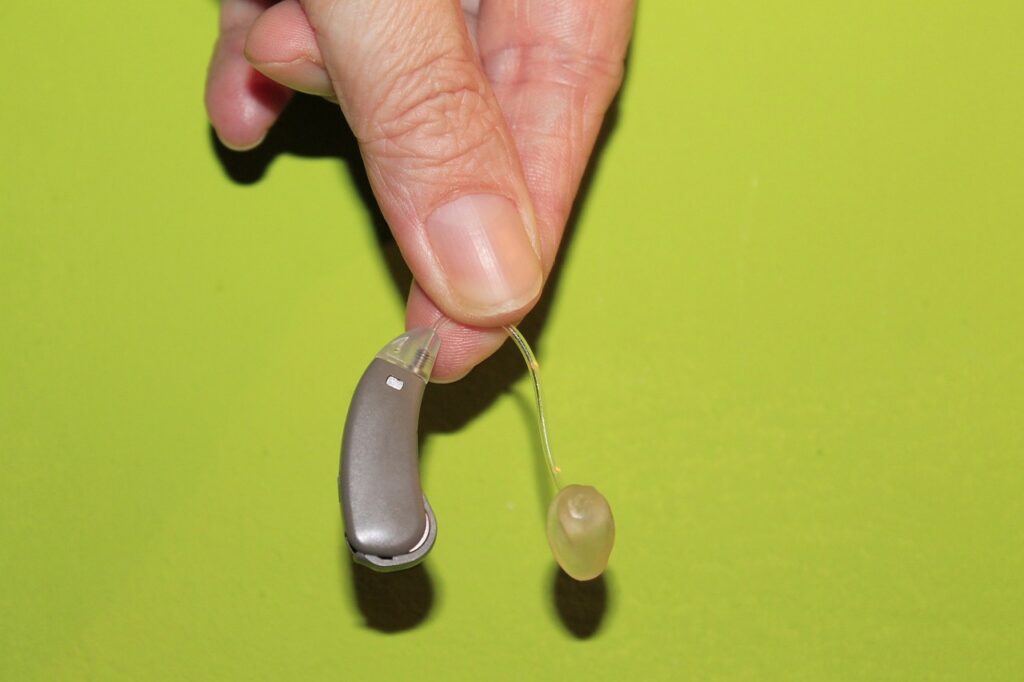
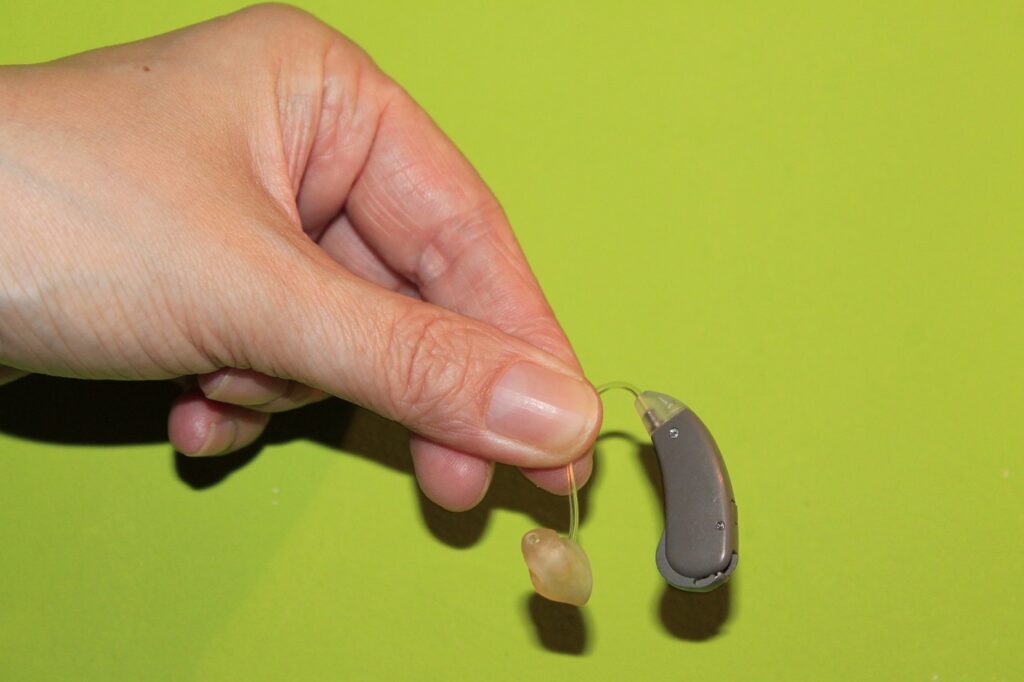
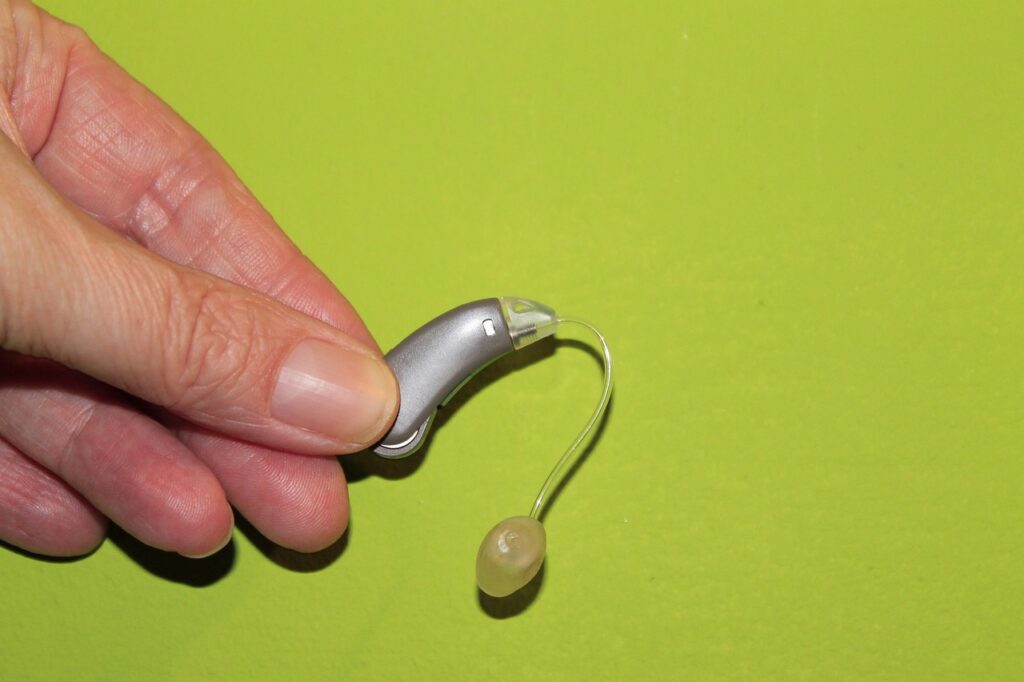
Hearing aids are commonly used to amplify sounds and improve the individual’s ability to hear and understand speech. They consist of a microphone, amplifier, and speaker and are available in a variety of styles and technology levels. Hearing aids can be customized to address the specific needs and preferences of the wearer.
Cochlear implants
Cochlear implants are electronic devices that are surgically implanted in the inner ear and provide direct stimulation to the auditory nerve. They are designed for individuals with severe to profound SNHL who do not benefit from conventional hearing aids. Cochlear implants can help restore significant hearing capabilities and improve speech understanding.
Assistive listening devices
Assistive listening devices (ALDs) are devices that can be used in conjunction with hearing aids or cochlear implants to improve hearing in specific situations. ALDs include devices such as FM systems, loop systems, and infrared systems, which can enhance sound clarity in environments with background noise or distance from the sound source.
Communication strategies
In addition to using hearing aids or other devices, individuals with SNHL can benefit from learning effective communication strategies. These strategies may include techniques such as lip-reading, using visual cues, advocating for accommodations, and seeking support from hearing loss support groups. Communication strategies can help individuals with SNHL maintain their independence and participate fully in daily activities.
In conclusion, sensorineural hearing loss is the most common type of hearing loss, often caused by damage to the cochlea, auditory nerve, or central nervous system. It can be caused by various factors, including congenital conditions, age-related changes, noise exposure, head injuries, and ototoxic medications. The incidence of SNHL can vary between countries and populations, influenced by genetics, healthcare access, and environmental factors. Understanding the mechanisms of SNHL, factors affecting its progression, and the role of the organ of Corti is essential in evaluating and treating the condition. Audiometric evaluations, thorough history taking, and physical examinations are crucial in diagnosing SNHL, and treatment options include hearing aids, cochlear implants, assistive listening devices, and communication strategies. With early detection and appropriate intervention, individuals with SNHL can manage their hearing loss and continue to engage fully in daily life activities.
