
I am going to tell you a tale about hearing loss, filled with truths and fakes you may have heard. There are so many stories and bits of information about hearing loss, and not all of them are correct. This might be confusing or even scary! Don’t worry, I am here to help set the record straight. Let’s clear up the make-believe stuff and learn about the real facts about hearing loss. So, are you ready? Let’s start our journey to debunk common misconceptions about hearing loss.
Myth: Only Older People Experience Hearing Loss
Many people think that only old people can lose their hearing. But that’s not true.
Fact: Hearing loss can affect individuals of all ages
Anyone, no matter how old they are, can have problems with their hearing. Even babies can have trouble hearing, and teenagers too. Just like you can have a problem with any part of your body at any age, you can have a problem with your hearing at any age as well.
Common causes of hearing loss in younger populations
There are many reasons why a young person might lose their hearing. Loud music, especially with headphones, can harm your hearing. So can some diseases, or getting hit in the head really hard.
Prevalence of hearing loss in children and adolescents
Many children and teenagers have trouble with their hearing, but people often don’t know it. It is important to catch it early, so we can help them hear better.
Myth: Hearing Loss is Always Genetic
Many people think that you only lose your hearing if your mom or dad also had hearing loss. But that’s not true.
Fact: Hearing loss can be attributed to various factors
Lots of things can make you lose your hearing. Maybe you’ve been around a lot of loud noises, like music concerts or building sites. Or perhaps you got sick, and that disease harmed your hearing.
Role of lifestyle choices and environmental factors
What you do every day and where you live can also affect your hearing. For example, if you listen to loud music all the time, or live somewhere very noisy, you might damage your hearing.
Impact of diseases and medication on hearing loss
Some illnesses can cause hearing loss. For instance, having a high fever can hurt your hearing. And certain medicines can also hurt your hearing if you take them for a long time.
Myth: Minor Hearing Loss is Not a Big Deal
You might think that if you only have a little problem with your hearing, it’s not a big deal. But it might be a bigger deal than you think.
Fact: Even mild hearing loss can significantly impact quality of life
Even if you only have a little bit of hearing loss, it can still be a problem. For example, you might have trouble hearing people when they talk, especially in a noisy room. This can make it hard to talk to your friends and family or to do well in school.
Social and psychological effects of hearing loss
Not being able to hear what people are saying can also make you feel sad or left out. Some people may even think that you’re ignoring them or not listening to them because you can’t hear them properly.
Effect of hearing impairment on cognitive abilities
Hearing loss can also make it harder for you to think and learn. This is because when you struggle to hear, your brain has to spend more energy trying to figure out what people are saying, instead of on what you’re trying to learn or remember.
Myth: Hearing Aids Can Cure Hearing Loss
Some people think that if you wear a hearing aid, it will make your hearing normal again. But that’s not true.
Fact: Hearing aids can only aid in hearing, not cure loss
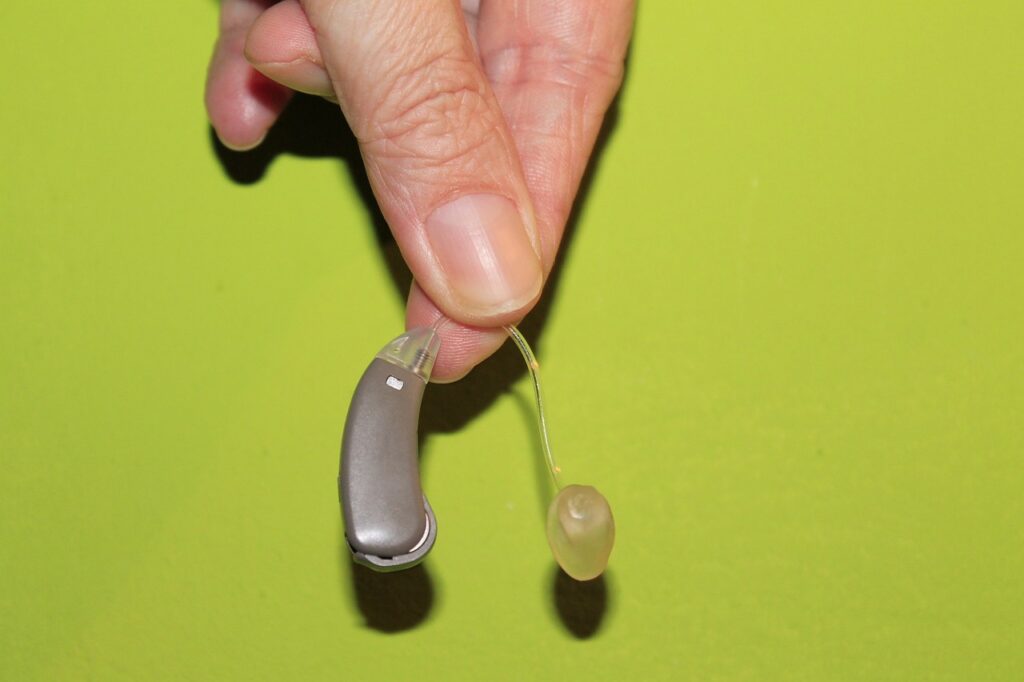
Hearing aids can help you hear better, but they can’t fix your hearing completely. They make the sounds around you louder, so you can hear them more easily. But they can’t make the sounds clear like normal hearing.
How hearing aids work
Hearing aids are tiny devices that you wear in your ears. They have a microphone that picks up the sounds around you and make them louder. Then they send these louder sounds into your ears, so you can hear them better.
Limits and advantages of using hearing aids
Hearing aids can’t make your hearing perfect, but they can certainly help a lot. It might take a bit of time to get used to them, and they can be a bit tricky to take care of. But they can make it much easier for you to hear what’s going on around you.

Myth: People with Hearing Loss are Just Not Paying Attention
Some people think that if you have hearing loss, that means you’re not paying attention. But that’s not true.
Fact: Hearing loss affects the ability to perceive sounds, not attentiveness
Having hearing loss means that you can’t hear some sounds as well as other people can. It’s not because you’re not trying to hear. It’s because your ears aren’t able to pick up the sounds as well as they used to.
Challenges faced by individuals with hearing loss
If you have hearing loss, you might find it hard to keep up with what people are saying, especially when they’re talking fast or when there’s a lot of noise around. You might also struggle with knowing where sounds are coming from.
Importance of patience and understanding towards those with hearing loss
It’s really important for people to remember that if you have hearing loss, it’s not because you’re not trying to hear. It’s because your ears aren’t working as well as they used to. People should be patient and understanding, and make sure they speak clearly and not too fast, so you can hear them better.
Myth: All Hearing Loss is the Same
Some people think that all hearing loss is the same. But that’s not true.
Fact: The degree and type of hearing loss can vary greatly
There are different types and levels of hearing loss. Some people have trouble hearing high sounds like the chirping of birds. Others struggle with low sounds like the humming of a refrigerator. Some people have trouble hearing soft sounds, while others can’t hear loud sounds.
Different types of hearing loss: sensorineural, conductive, and mixed
Not all hearing loss is the same. Some people lose their hearing because the little hair cells in their ears get damaged. This is called sensorineural hearing loss. Other people lose their hearing because sound can’t get through to their inner ear properly, which is called conductive hearing loss. And some people have a mix of both.
Severity of hearing loss: mild, moderate, severe, profound
The amount of hearing a person loses can also be different. Some people only lose a little bit of hearing, which is called mild hearing loss. Other people lose more, which is called moderate or severe hearing loss. And some people lose almost all of their hearing, which is called profound hearing loss.

Myth: All kinds of Noises Create Same Level of Damage
Many people think that all noises can hurt your ears the same way. But that’s not true.
Fact: Some types of noise are more harmful than others
Some noises are worse for your ears than others. Loud noises can hurt your hearing more than quiet ones. And some noises, like the blast from a firecracker or the roar of a jet plane, can hurt your ears a lot even if you only hear them for a second.
Effects of the frequency and duration of noise exposure
How often and how long you’re around noise can also affect your hearing. The more often you’re around loud noise and the longer you’re around it, the more it can hurt your hearing.
Hazardous noise sources and their impact on hearing
Some noises are especially bad for your ears. For instance, the noise from gunfire, explosions, loud music, and loud engines can all really hurt your hearing.
Myth: Only Loud Noises can Harm Your Hearing
Some people think that only loud noises can harm your hearing. But that’s not true.
Fact: Persistent exposure to moderate-level noise can also cause damage
Even noises that aren’t very loud can hurt your hearing if you hear them a lot. For instance, if you always have your music playing at a medium volume, it could still hurt your hearing over time.
Effects of cumulative exposure to noise
Your ears can get more and more damaged the more you’re around noise, even if it’s not very loud. This is called cumulative noise exposure.
Significance of noise control and hearing protection
If you’re going to be around a lot of noise, it’s really important to protect your hearing. You should turn down the volume on your music, and avoid being around very loud noises like fireworks or gunshots. If you can’t avoid the noise, you should wear earmuffs or earplugs.
Myth: Hearing Loss Only Affects One’s Ability to Hear
Some people think that if you lose your hearing, it only affects your ears. But that’s not true.
Fact: Hearing loss can have broad effects beyond hearing ability
Hearing loss can impact more than just your ears. It can make you feel lonely or isolated. It can make you feel frustrated or angry. And it can make it harder for you to think and concentrate.
Relationship between hearing loss and cognitive decline
If you have hearing loss, it can also affect your thinking. When your ears aren’t working well, your brain has to work harder to understand what’s being said, and that can make it tired and less able to think about other things.
Impact of hearing loss on mental health and social relationships
Hearing loss can also affect your feelings and your relationships with other people. You might feel sad or upset because you can’t hear what people are saying. You might feel left out because you can’t follow the conversation. And this can hurt your relationships with your friends and family.
Myth: Surgical or Medical Treatment Can Fix All Hearing Loss
Some people think that if you have hearing loss, a doctor can always fix it. But that’s not true.
Fact: Not all types of hearing loss are medically or surgically treatable
Doctors can sometimes help people with hearing loss. But sometimes, they can’t. Some kinds of hearing loss can’t be fixed with medication or surgery.
Circumstances where medical or surgical intervention may be beneficial
Sometimes, doctors can help people who have certain kinds of hearing loss. For example, if something is blocking your ear, like wax or fluid, a doctor might be able to remove it. In some cases, surgery might be able to correct certain structural problems with the ear.
Reasons why some hearing loss remains untreatable
But other types of hearing loss, like damage to the tiny hair cells in your ear, can’t be fixed with medicine or surgery. For that, hearing aids or other devices are the best solution.