
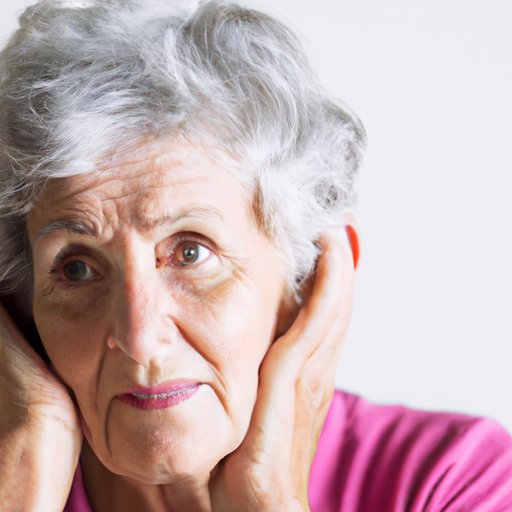
Do you know that many elderly people around the world have trouble hearing? It’s called hearing loss, and it’s a really common condition. The most common type of hearing loss in older people is called age-related hearing loss, and it happens because as people get older, their ears don’t work as well as they used to. There are also other reasons why elderly people might have trouble hearing, like problems with the parts of the ear or being around loud noises for a long time. Did you know that about 63% of adults over 70 in the United States have some level of hearing loss? But don’t worry, there are ways to help people with hearing loss. By figuring out what’s causing the problem and using things like special devices or even surgery, we can help them hear better. It’s really important to take care of their ears so that they don’t feel lonely, sad, or have trouble remembering things. If we help them early, they can feel better and have a happier life.
Prevalence of hearing loss in the elderly
Hearing loss in the elderly is a common condition that affects millions of people worldwide. The most common type of hearing loss in the elderly is age-related hearing loss, also known as ARHL or presbycusis. However, there are also other types of hearing loss, such as conductive and mixed losses.
The prevalence of hearing loss increases with age. In fact, it is estimated that roughly 63% of adults over 70 years old in the United States have some level of hearing loss. This means that as you get older, you are more likely to experience problems with your hearing.
This image is property of pixabay.com.
Causes of hearing loss in the elderly
The causes of hearing loss in the elderly are multifactorial, which means that there are many different factors that can contribute to the development of hearing loss. Some of the main causes include genetics, noise exposure, and age-related changes in the cochlea.
Genetics can play a role in the development of hearing loss. If your parents or other family members have hearing loss, you may be more likely to experience it as you get older.
Noise exposure is another common cause of hearing loss. If you have been exposed to loud noises throughout your life, such as working in a noisy environment or listening to loud music, it can damage the delicate structures in your ears and lead to hearing loss.
Age-related changes in the cochlea, which is the part of the ear that is responsible for converting sound into electrical signals that the brain can interpret, can also contribute to hearing loss in the elderly. Over time, the cochlea may become less sensitive to certain frequencies of sound, making it more difficult to hear certain sounds.
This image is property of pixabay.com.
Diagnosis of hearing loss in the elderly
To diagnose hearing loss in the elderly, a thorough history and physical exam is necessary. Your doctor will ask you questions about your symptoms, such as whether you have difficulty understanding conversations, if you often ask people to repeat themselves, or if you have trouble hearing in noisy environments. They will also examine your ears to look for any signs of damage or blockages.
Audiometric tests are also commonly used to assess hearing loss. These tests involve wearing headphones and listening to different tones or words at varying volumes. You will indicate when you can hear the sounds, and the results will help determine the extent and type of your hearing loss.

This image is property of pixabay.com.
Management options for hearing loss
The management options for hearing loss in the elderly depend on the underlying cause of the hearing loss. In some cases, surgery may be a viable option to correct the problem. For example, if you have conductive hearing loss caused by a blockage in your ear, removing the blockage surgically can improve your hearing.
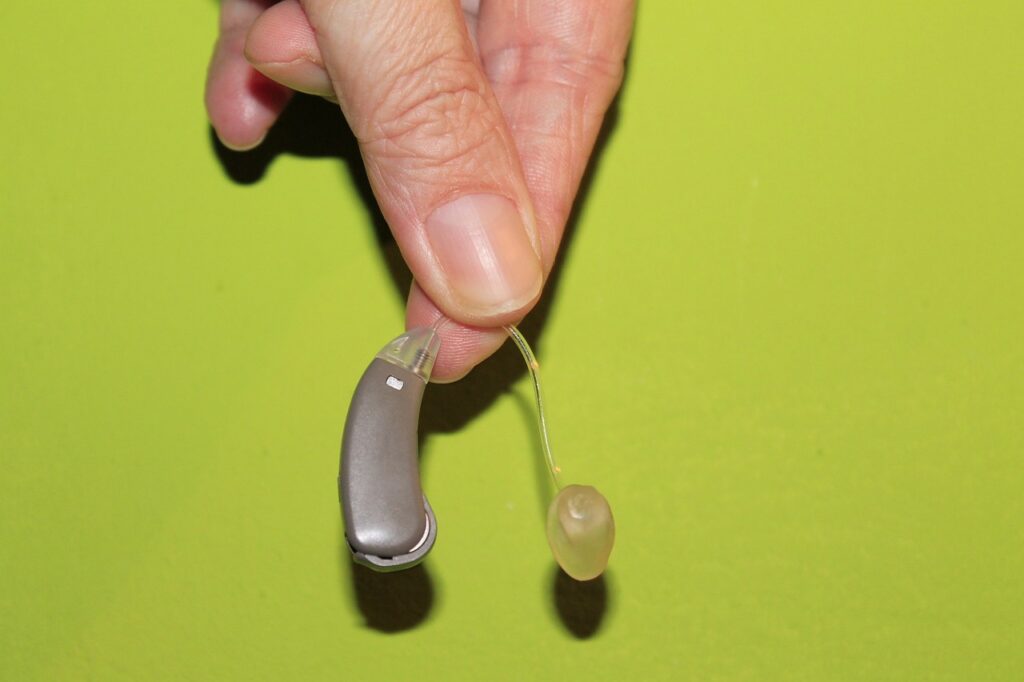
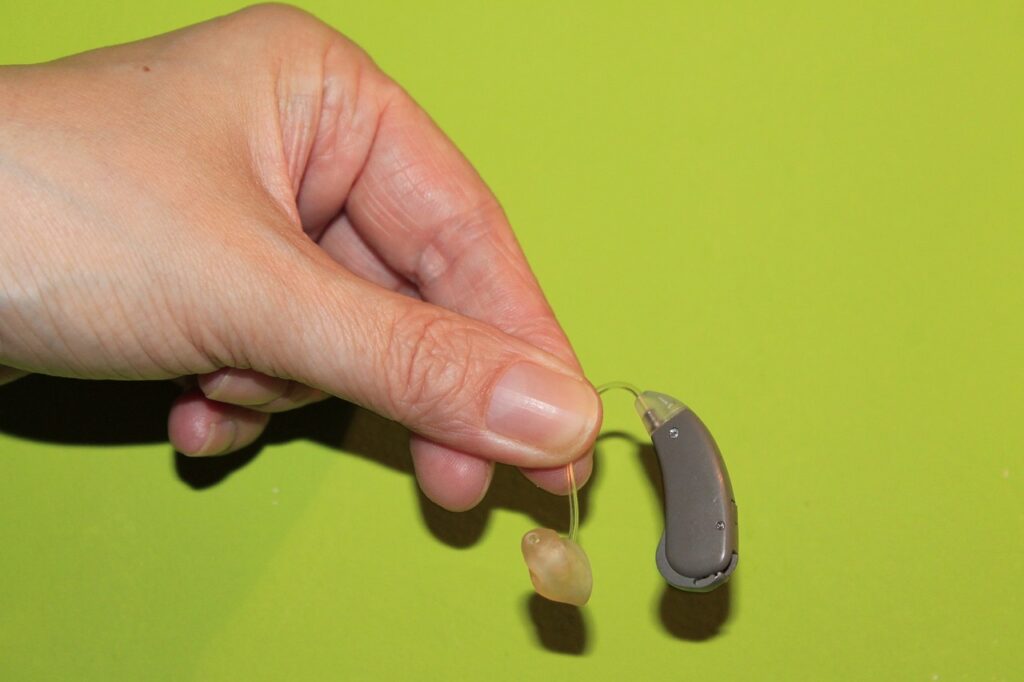
Hearing aids are a common and effective treatment option for many types of hearing loss. These devices are designed to amplify sound, making it easier for you to hear and understand conversations. Hearing aids come in various types and styles, and your audiologist can help you find the right one for your needs.
Amplification devices are another option for managing hearing loss. These devices are different from hearing aids and are often used in specific situations, such as watching television or talking on the phone. They work by amplifying the sound directly into your ear, making it easier to hear.
Impact of hearing loss on quality of life
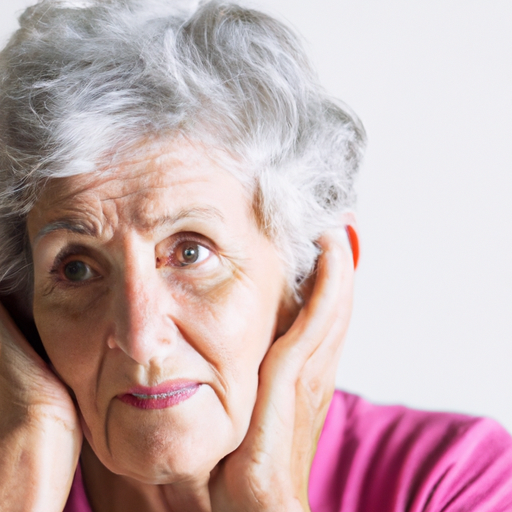
Hearing loss in the elderly can have a significant impact on your quality of life. It can lead to feelings of loneliness and isolation, as it becomes more difficult to communicate and engage with others. Hearing loss has also been associated with increased rates of depression, as the inability to participate fully in conversations and activities can be emotionally challenging.
In addition, untreated hearing loss in the elderly has been linked to cognitive decline. The brain relies on auditory input to function properly, and when hearing loss is present, the brain may struggle to process information effectively. This can potentially contribute to issues with memory, attention, and overall cognitive function.

Importance of early diagnosis and management
Early diagnosis and management of hearing loss in the elderly are crucial. Prompt intervention can lead to improved outcomes and overall well-being. By addressing hearing loss early on, you can prevent further deterioration of your hearing and potentially preserve your ability to communicate effectively.
With the appropriate treatment and management options, many individuals with hearing loss can experience significant improvements in their quality of life. They may be able to engage in social activities more confidently, communicate more effectively with their loved ones, and enjoy a better overall sense of well-being.
In conclusion, hearing loss is a prevalent condition in the elderly, with age-related hearing loss being the most common type. The causes of hearing loss in the elderly are multifactorial and can include genetics, noise exposure, and age-related changes in the cochlea. Diagnosis involves a thorough history and physical exam, as well as audiometric tests. Management options depend on the underlying cause and can include surgery, hearing aids, and amplification devices. The impact of hearing loss on quality of life is significant, with increased rates of loneliness, depression, and cognitive decline. Therefore, early diagnosis and management are crucial for improved outcomes and overall well-being.