
Hi there, my friends! My name is Jill and today, I’m going to tell you about a super cool topic. It’s called “Building A Sound Future: Hearing Loss Prevention In The Digital Age”. You know how we all love to listen to music on our phones and tablets, right? Well, did you know that it’s really important to take care of our ears too, so we can hear this music clearly? This article helps explain how we can look after our ears better, to make sure we can still hear our favorite songs when we are older, just like grandma and grandpa do. Interesting, isn’t it? This is so important, now more than ever, in this digital age where we use earphones and headphones a lot. Let’s find out more about it!

Understanding Hearing Loss
Hearing loss is something that a lot of people don’t understand. To put it simply, hearing loss means not being able to hear as well as normal.
Little known facts about hearing loss
Did you know that not everyone with hearing loss can’t hear anything at all? Some people can still hear a little bit. And while animals like dogs and cats can hear better than humans, they can also experience hearing loss.
Common causes of hearing loss
There are many things that can cause hearing loss. Some people are born with it, while others may lose their hearing because of an illness, loud noise, or because they are simply getting older.
Impact of hearing loss in daily life
Not being able to hear properly can affect your life in many ways. You may have difficulty understanding what people are saying, especially in noisy places. You might not hear important sounds, like the ringing of a bell or a car honking. This can make everyday tasks more challenging.
Digital Age and Hearing Loss
Now, with so many digital devices like phones and tablets, hearing loss is becoming a bigger problem.
Increased exposure to loud sounds
We’re listening to music and watching videos for longer and at louder volumes than ever before. This can cause our ears to get tired and eventually start to lose their hearing power.
Impact of earphones and headphones
Earphones and headphones, especially when used at high volumes for long periods of time, can also contribute to hearing loss. It’s like having a loud concert right in your ears!
The role of digital devices in noise pollution
Did you know that all the noise from our devices can add to the total noise pollution around us? And too much noise pollution can harm our ears and even our overall health.
Identifying the Signs of Hearing Loss
Not sure if you have hearing loss? Here are some signs to look out for.
Subtle signs of hearing impairment
Sometimes the signs of hearing loss can be very small. You might find that you’re always asking people to repeat themselves, or you can’t hear the TV unless the volume is turned up high.
Early onset hearing loss indicators
For some, hearing loss starts at a young age. Pay attention if you or a child is consistently struggling to understand speech, particularly in noisy environments or if speech sounds muffled.
Noteworthy behavioural changes linked to hearing loss
Sometimes, you may notice changes in behaviour. A person might start to avoid social situations or seem unusually tired, which could be due to the extra effort they’re putting into listening.
Medical Evaluation for Hearing Loss
If you spot any signs of hearing loss, get your hearing checked by a doctor or hearing specialist.
Importance of regular check-ups
Just like you go to the doctor for a regular body check-up, it’s important to have regular hearing check-ups too.
Diagnostic procedures for hearing loss
During a check-up, the doctor might conduct tests to see how well you or can hear different sounds.
Advanced audiological tests
In some cases, you may be referred for more detailed tests with an audiologist, a scientist who specializes in hearing.
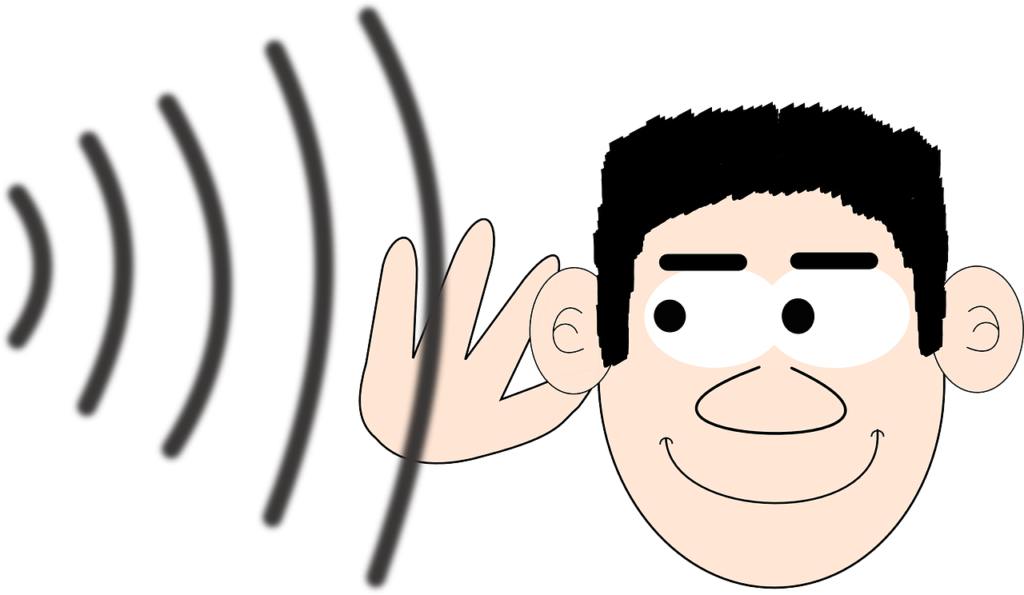
The Role of Prevention
Just as the saying goes, prevention is better than cure, and it applies to our hearing too.
Why prevention is better than cure
It’s always better to stop hearing loss before it happens, instead of trying to treat it afterwards. Safe listening can help you keep your hearing sharp.
Lifestyle modifications for prevention
Simple steps, such as listening to music at a safe volume, wearing earplugs in noisy places, and taking frequent breaks from loud noises can immensely help in protecting your ears.
Importance of regular screen time breaks
In this age of digital devices, it’s very important to have regular breaks from screen time, which often goes hand-in-hand with headphone use.
Technological Aids for Hearing
Did you know that science has many tools that can help people who have hearing loss hear better?
Understanding hearing aids
Hearing aids are tiny machines that fit in or around your ear and make sounds louder so you can hear them better.
Role of cochlear implants
A cochlear implant is a little bit like a super-powered hearing aid. Instead of making sounds louder, this special device turns sounds into electrical signals and sends them directly to your brain!
Innovation and future of hearing technology
There are many smart people out there working on new ways to help those with hearing loss. In the future, we might see even better hearing aids or other cool technologies to help people hear better.

Importance of Noise Control
Reducing the amount of noise around you is another great way to protect your hearing.
Workplace noise control measures
For grown-ups, one big source of noise can be the workplace. If you work in a noisy place, you should try to use tools or machines that make less noise, or use earplugs or earmuffs.
Prevention of noise pollution at home
At home, aim to keep your surroundings as quiet as possible. Avoid using loud appliances for extended periods of time and encourage others to respect ‘quiet zones’.
Government regulations against noise pollution
Our governments also have rules to limit how much noise pollution there is. It’s another way to keep our ears safe.
Educational Programs for Hearing Loss Prevention
There are many programs to help people learn about the dangers of loud noises.
Role of awareness campaigns
Campaigns at schools or in the community can help spread the message about the importance of taking care of our hearing.
School programs for hearing health
Some schools have special programs where kids can learn about how our ears work, why they’re important, and how to protect them.
Importance of community involvement
It’s important that everyone in the community plays a part. After all, if everyone turned down the volume a little, the world would be a quieter place!
Mental Health and Hearing Loss
Hearing loss affects more than just your ears – it can also affect your feelings and how you interact with others.
Psychological effects of hearing impairment
People with hearing loss sometimes might feel frustrated, lonely, or sad. It’s okay to have these feelings, but it’s important to talk about them.
Support systems for those with hearing loss
Having people around to support and understand you can make a big difference. This might be friends, family, or maybe a group for people with hearing loss.
Role of therapy and counseling
Speaking to a counselor or a psychologist can also be really helpful. They know a lot about feelings and can provide good advice.
Building a Sound Future
If we all work together, we can help do something about hearing loss.
Contribution of everyone to a noise-free future
Imagine a future where everyone keeps their volumes down and respects the silence. We can all play our part in reducing noise pollution.
Role of medical advancements
Also, doctors and scientists are working hard in finding new ways to help those with hearing loss hear better.
Stress on early detection and prompt treatment
Remember, it’s a good idea to get your hearing checked regularly. The sooner we identify any change in hearing, the better chance we have of addressing it.