

Have you ever wondered what counts as hearing loss? We’ve got you covered! As experienced hearing aid practitioner, I know all about hearing loss, and have the knowledge and expertise to answer all of your questions. Hearing loss can vary in degree, from mild to profound, and can affect individuals of all ages. It can be caused by a variety of factors, such as genetics, aging, exposure to loud noise, and certain medical conditions.
In our upcoming article, I’ll dive deeper into the different types of hearing loss and how they can impact your daily life. So, if you’re curious to learn more about this common condition, stay tuned and let me be your guide to understanding hearing loss.
What is Hearing Loss?
Hearing loss refers to a decreased ability to hear sounds in one or both ears. It can range from mild to profound, having varying impacts on an individual’s daily life. Hearing loss can occur at any age and can be caused by various factors. Understanding the different types of hearing loss, its causes, and its impact on daily life is essential in seeking appropriate treatment and support.
Different types of hearing loss
There are three main types of hearing loss: conductive, sensorineural, and mixed.
- Conductive hearing loss occurs when sounds are unable to pass from the outer or middle ear to the inner ear. This could be due to blockages, such as earwax buildup or fluid accumulation in the middle ear.
- Sensorineural hearing loss results from damage to the delicate hair cells in the inner ear or the auditory nerve that transmits sound signals to the brain. This type of hearing loss is often caused by aging, exposure to loud noises, certain medications, and medical conditions like genetics or infections.
- Mixed hearing loss is a combination of both conductive and sensorineural hearing loss, where issues exist in both the outer/middle and inner ear.
- Causes of hearing loss
There are several factors that can contribute to hearing loss. Some common causes include:
- Aging: As we age, our hearing abilities naturally decline, leading to a condition called presbycusis.
- Noise exposure: Prolonged exposure to loud noises, such as from machinery, music concerts, or firearms, can damage the delicate structures within the ear and lead to hearing loss.
- Genetics: Some individuals may inherit genetic mutations that predispose them to hearing loss.
- Certain medications: Some medications, particularly those used to treat cancer, infections, or heart conditions, can have side effects that harm the auditory system.
- Trauma or injury: Head injuries or accidents involving the ear can cause hearing loss.
- Infections: Severe or recurring ear infections can damage the structures within the ear and affect hearing.
Impact of hearing loss on daily life
Living with hearing loss can have a significant impact on an individual’s daily life. Communication may become challenging, which can lead to feelings of frustration, isolation, and stress. Simple activities like talking on the phone, watching TV, or participating in conversations with friends and family can become difficult or even impossible.
Hearing loss can also affect job performance, educational opportunities, and overall quality of life. It may lead to social and emotional challenges, as individuals may struggle to fully engage in social gatherings or rely on others for assistance.
Preventing Hearing Loss
While some causes of hearing loss, such as genetics or infection, cannot be prevented, there are steps that individuals can take to protect their hearing.
Avoiding loud noises
One of the most significant contributors to hearing loss is exposure to loud noises. It is essential to limit exposure to high decibel sounds, especially over extended periods. When exposed to loud noises, such as at concerts or in industrial settings, wearing earplugs or earmuffs can help protect the ears from damage.
Using hearing protection
In situations where exposure to loud noises is unavoidable, using hearing protection is crucial. Earplugs or earmuffs can significantly reduce the intensity of sounds entering the ears, preventing potential damage.
Healthy lifestyle choices
Maintaining a healthy lifestyle can contribute to overall well-being, including hearing health. Avoiding smoking, which can restrict blood flow to the ears, and managing conditions like diabetes and high blood pressure, can help reduce the risk of developing hearing loss.

Diagnosing Hearing Loss
If you suspect that you or a loved one may have hearing loss, getting a proper diagnosis is crucial. A healthcare professional, such as an audiologist or otolaryngologist, can conduct a hearing test to assess the extent and type of hearing loss.
Importance of a hearing test
A hearing test, also known as an audiogram, is a non-invasive assessment that measures an individual’s ability to hear various frequencies and volumes. It helps determine the type and severity of hearing loss and guides appropriate treatment options.
Regular hearing tests are recommended, especially for those at higher risk, including individuals with a family history of hearing loss, exposure to loud noises, or certain medical conditions.
Signs and symptoms of hearing loss
Recognizing the signs and symptoms of hearing loss is an important first step in seeking help. Some common signs include:
- Difficulty following conversations, especially in noisy environments.
- Frequently asking others to repeat themselves or speak louder.
- Struggling to hear high-pitched sounds like birds chirping or doorbells.
- Turning up the volume on electronic devices to excessive levels.
- Feeling left out or isolated during social gatherings or family events.
- Tinnitus, which is a ringing or buzzing sound in the ears.
Consulting a healthcare professional
If you or a loved one experience any signs or symptoms of hearing loss, it is crucial to consult a healthcare professional. They can conduct a comprehensive evaluation, provide a proper diagnosis, and recommend appropriate treatment options.
Treatment Options for Hearing Loss
Fortunately, there are several treatment options available for individuals with hearing loss. The choice of treatment depends on the type and severity of hearing loss, as well as individual preferences and lifestyle.
Hearing aids and their benefits
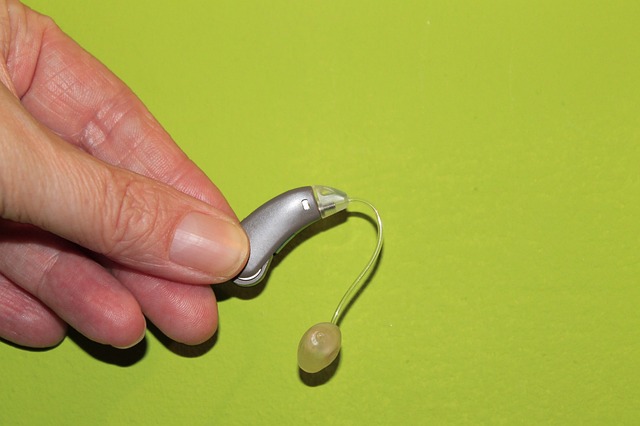
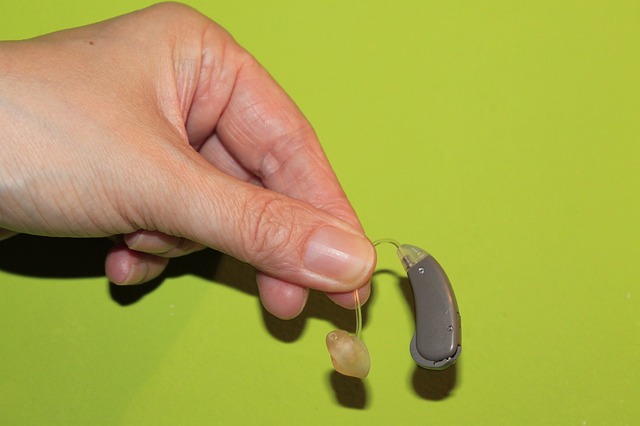
Hearing aids are small electronic devices worn behind or inside the ear that amplify sounds. They help individuals with hearing loss by making sounds louder and more audible. Modern hearing aids are discreet, comfortable, and come with various features, such as noise reduction and wireless connectivity.
Hearing aids can greatly improve communication and quality of life for those with hearing loss. They are designed to enhance speech clarity, reduce background noise, and improve overall hearing abilities. It is essential to consult an audiologist to select the most suitable hearing aids based on individual needs and preferences.
Cochlear implants
Cochlear implants are electronic devices surgically implanted into the inner ear. They are typically recommended for individuals with severe to profound sensorineural hearing loss who do not benefit significantly from hearing aids.
Cochlear implants work by bypassing the damaged parts of the inner ear and directly stimulating the auditory nerve, enabling individuals to perceive sound signals. They can provide a sensation of hearing, even for those with severe hearing loss.
Other assistive devices
Alongside hearing aids and cochlear implants, there are several other assistive devices available to support individuals with hearing loss. These include:
- FM systems: These devices help improve hearing in situations where there is significant background noise or distance between the speaker and the listener.
- Captioning devices: Captioning devices display text captions during TV shows, movies, or live events, making it easier for individuals with hearing loss to follow along.
- Telephone amplifiers: These devices amplify the sound on telephones, making it easier for individuals with hearing loss to communicate over the phone.
Support and Rehabilitation
Living with hearing loss does not mean facing it alone. There are numerous support and rehabilitation options available to help individuals improve their communication, adapt to their hearing loss, and lead fulfilling lives.
Educational resources for the hearing impaired
Various educational resources are available for individuals with hearing loss, including books, online courses, and websites. These resources provide valuable information about hearing loss, communication techniques, and assistive devices. They can empower individuals to take control of their hearing health and make informed decisions.
Speech therapy and communication techniques
Speech therapy can be beneficial for individuals with hearing loss, particularly children. It helps improve communication skills, including speech articulation, comprehension, and development of listening strategies. Speech therapists provide tailored exercises and techniques to enhance communication abilities and adapt to the challenges of hearing loss.
Several communication techniques can also aid individuals with hearing loss, such as lip reading, sign language, and using visual cues. These techniques can enable better understanding and effective communication with others.
Joining support groups
Support groups offer an opportunity for individuals with hearing loss and their families to connect with others facing similar challenges. These groups provide a supportive environment where individuals can share experiences, exchange tips, and seek emotional support. Connecting with others who understand the impact of hearing loss can be empowering and reduce feelings of isolation.
Dealing with Emotional Impact
Living with hearing loss can have emotional and psychological impacts. It is essential to address these challenges and seek appropriate support.
Coping with social isolation
Hearing loss can lead to social isolation, as individuals may find it challenging to participate in conversations and activities. This can result in feelings of loneliness and detachment. It is crucial to actively seek social connections, communicate openly about hearing loss with others, and use assistive devices or communication strategies to improve interactions.
Addressing psychological challenges
Living with hearing loss can be emotionally challenging. It may lead to feelings of frustration, anger, or sadness, as well as a loss of confidence and self-esteem. Seeking counseling or therapy can help individuals navigate these emotions, build resilience, and develop coping strategies.
Importance of emotional support
Emotional support from family, friends, or support groups is crucial for individuals with hearing loss. Having people who understand and offer encouragement can significantly impact an individual’s well-being and quality of life. Engaging in open conversations about feelings and concerns surrounding hearing loss is essential for building a strong support network.
Effects of Untreated Hearing Loss
Failing to address hearing loss can have significant consequences on an individual’s overall health and well-being.
Impact on cognitive abilities
Research suggests a strong link between untreated hearing loss and cognitive decline, including an increased risk of dementia and cognitive impairment. Strained listening, difficulty processing speech, and reduced auditory stimuli can lead to changes in brain function. Treating hearing loss can help reduce this cognitive strain and improve overall cognitive abilities.
Relationship strain and communication difficulties
Untreated hearing loss can strain relationships with family, friends, and colleagues. Communication difficulties can lead to misunderstandings, frustration, and feelings of exclusion. By seeking treatment and using appropriate communication strategies, individuals with hearing loss can improve their relationships and maintain strong connections.
Risk of depression and anxiety
Hearing loss has been associated with an increased risk of depression and anxiety. The social and emotional impact of hearing loss, coupled with difficulties in communication, can contribute to feelings of isolation and affect mental well-being. Seeking treatment, support, and counseling can help mitigate these risks and improve overall mental health.
Living with Hearing Loss
While hearing loss may present certain challenges, there are various strategies and technologies available to help individuals lead fulfilling lives.
Making environmental adjustments
Modifying the environment can significantly enhance accessibility for individuals with hearing loss. This can include ensuring adequate lighting, reducing background noise, and positioning oneself for better visual and auditory cues during conversations.
Communication strategies for improved understanding
Implementing effective communication strategies is key for individuals with hearing loss. Strategies such as facing the person you are speaking to, speaking clearly and at a moderate pace, and asking for repetition or clarification can greatly improve understanding.
Supportive devices and technologies
Advancements in technology have led to the development of devices and technologies that can support individuals with hearing loss. These include loud alarm clocks, vibrating alert systems, and specific smartphone applications designed to enhance communication and accessibility.
Advancements in Hearing Loss Management
Ongoing research and technological advancements bring hope for further improvements in hearing loss management.
Emerging technologies and research
Researchers are continually exploring new technologies and treatments to improve hearing loss outcomes. Developments in areas such as regenerative medicine, nanotechnology, and gene therapy hold promising potential for restoring and preserving hearing.
Understanding regenerative medicine
Regenerative medicine aims to repair or regrow damaged tissues, including the delicate cells within the ear responsible for hearing. Researchers are investigating various regenerative approaches, including stem cell therapy, scaffolding techniques, and bioengineered tissues. While still in the experimental stage, regenerative medicine offers hope for potential future treatments.
Gene therapy potential
Gene therapy has the potential to address hearing loss caused by genetic mutations. By targeting specific genes responsible for hearing, researchers are exploring ways to repair or replace the faulty genetic material. While gene therapy for hearing loss is still in its infancy, it offers exciting possibilities for the future of treatment.
Conclusion
Understanding hearing loss is essential for individuals with hearing impairment and their loved ones. Taking action by seeking professional help, exploring treatment options, and accessing support and rehabilitation services can significantly improve quality of life. By raising awareness and fostering a supportive and inclusive society, we can create an environment where individuals with hearing loss can thrive and be empowered to embrace their unique experiences. Let us prioritize hearing health and ensure that no one feels alone or unheard.