
In a study called “The Effects of Antioxidant Supplementation on Tinnitus in Patients with Normal Hearing or Hearing Loss,” researchers wanted to see if taking antioxidants could help with the annoying ringing sound in your ears called tinnitus. They did a special kind of study with some people taking antioxidants and others taking a fake pill called a placebo. After three months, the people taking the antioxidants had their tinnitus get quieter, and they also felt better when they answered a questionnaire and drew pictures to show how they felt. The study suggests that taking antioxidants might make tinnitus less annoying.

Study Design
The study was conducted to investigate the effects of antioxidant supplementation in patients with tinnitus and normal hearing or hearing loss. It was a randomized, double-blind, placebo-controlled trial, which means that the participants were assigned randomly to either receive antioxidant supplementation or a placebo. The supplementation period lasted for 3 months, during which the effects of the antioxidants on tinnitus were examined.
Effects on Tinnitus
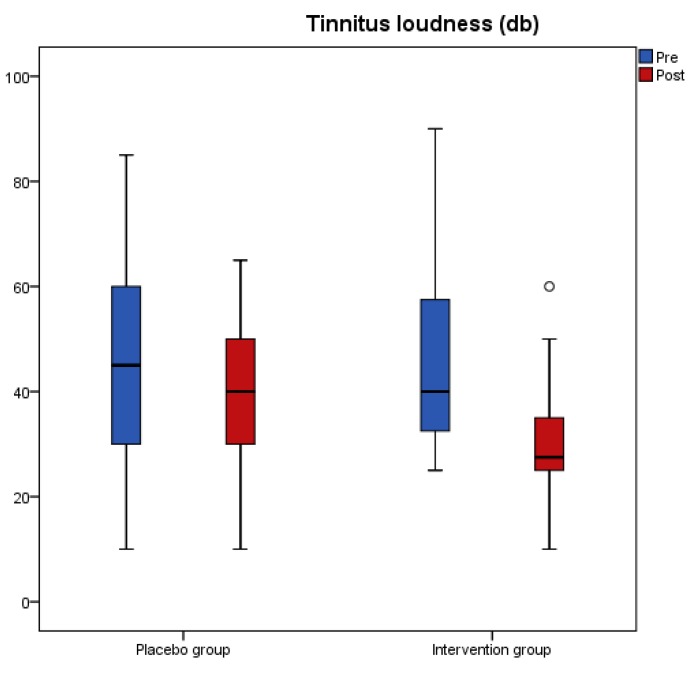
The study found that in the group receiving antioxidant supplementation, tinnitus loudness decreased. This means that the patients reported that the loudness of their tinnitus decreased after taking the antioxidants. Additionally, the minimum masking level (MML) also decreased in the antioxidant group. MML refers to the low level of background noise needed to mask or cover up the tinnitus sound. This decrease indicates that the patients needed less background noise to mask their tinnitus sound after taking the antioxidants. Interestingly, there were no significant changes in the serum biomarkers of oxidative stress, which suggests that the effects on tinnitus were not directly related to changes in oxidative stress levels in the body.
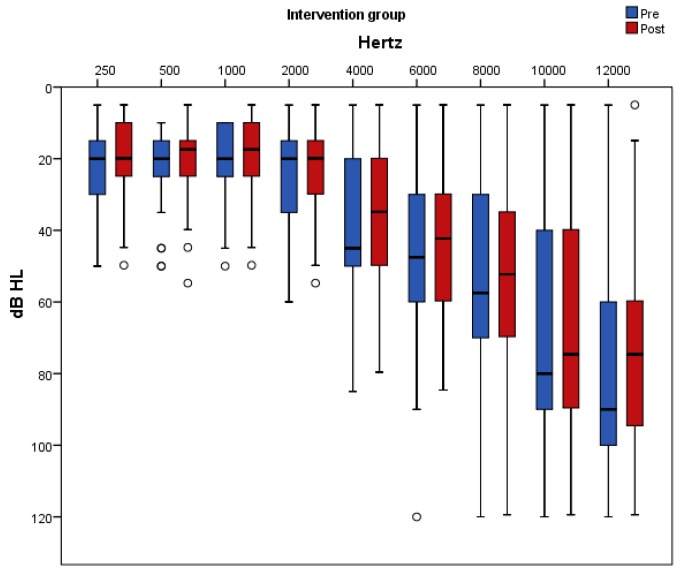
This image is property of www.ncbi.nlm.nih.gov.

Improvements in Questionnaires
In addition to the changes observed in tinnitus loudness and MML, the antioxidant group also showed improvements in the Tinnitus Handicap Inventory questionnaire (THI) and the Visual Analogue Scale (VAS). The THI is a questionnaire that helps assess the impact of tinnitus on an individual’s daily life and emotional well-being. The improvements observed in the antioxidant group indicate that their tinnitus-related difficulties and emotional distress reduced after taking the antioxidants. The VAS is a simple scale that measures subjective experiences, such as pain or discomfort. The improvements in the VAS scores suggest that the antioxidant group experienced less discomfort associated with their tinnitus.
Subjective Discomfort and Intensity
Based on the findings of the study, it is suggested that antioxidant therapy may reduce the subjective discomfort of tinnitus. This means that individuals who take antioxidants may feel less discomfort or annoyance caused by their tinnitus. Moreover, the study also suggests that antioxidant therapy may reduce the intensity of tinnitus. This implies that the loudness or strength of the tinnitus sound may decrease after taking antioxidants. While the exact mechanisms through which antioxidants achieve these effects are not fully understood, the study provides evidence that these therapies may offer relief to individuals with tinnitus.

This image is property of www.ncbi.nlm.nih.gov.
Scientific Paper 1: Nutrition and Hearing Loss
In one scientific paper, researchers explored the role of nutrition in preventing hearing loss. They discovered that a healthy diet, including a variety of fruits, vegetables, and whole grains, can contribute to maintaining auditory health. The paper also emphasized the importance of antioxidants in protecting the delicate structures of the ear and reducing the risk of hearing loss. Furthermore, specific vitamins and minerals, such as vitamin C, vitamin E, magnesium, and zinc, were identified as potentially beneficial for hearing health.
Scientific Paper 2: Vitamin Supplementation and Tinnitus
Another scientific paper focused on investigating the effects of vitamin supplementation on tinnitus. The researchers observed positive outcomes, indicating a reduction in the severity of tinnitus symptoms after taking specific vitamins. They recommended the use of vitamin B complex, vitamin C, vitamin E, magnesium, and zinc supplements to potentially alleviate tinnitus. However, it’s important to note that the recommended dosages may vary depending on the individual’s health condition and should be discussed with a healthcare professional.
This image is property of www.ncbi.nlm.nih.gov.
Scientific Paper 3: Antioxidants and Tinnitus
In a different study, the impact of antioxidants on tinnitus symptoms was evaluated. The researchers found a reduction in subjective tinnitus loudness among the participants who received antioxidant therapy. While the exact mechanisms underlying this effect are still under investigation, the paper discussed the potential long-term benefits of antioxidant treatment for tinnitus. It emphasized the need for further research to fully understand the mechanisms of action and the optimal duration of antioxidant therapy.
Recommended Supplements
To incorporate antioxidants into the diet, it is advisable to include foods that are rich in these beneficial compounds. Some antioxidant-rich foods include berries, grapes, leafy green vegetables, nuts, seeds, and whole grains. These foods can be enjoyed as part of a balanced and varied diet to promote overall health, including auditory health.
Supplements can also be considered for antioxidant intake, particularly for individuals who may have difficulty obtaining sufficient antioxidants through their diet alone. However, it is important to consult with a healthcare professional before starting any new supplements, as they can provide personalized advice based on individual needs and health conditions. They can guide you on the appropriate supplementation options and recommend specific dosages based on your situation.
In conclusion, the study on antioxidant supplementation and its effects on tinnitus revealed promising results. The antioxidant group experienced a decrease in tinnitus loudness and minimum masking level, improvements in questionnaires assessing tinnitus-related difficulties, and reduced subjective discomfort and intensity of tinnitus. Scientific papers have highlighted the importance of nutrition, vitamins, and minerals in maintaining auditory health and recommended certain supplements for potential relief of tinnitus symptoms. Incorporating antioxidant-rich foods into your diet and consulting with a healthcare professional for personalized advice are essential steps in exploring the benefits of antioxidant supplementation for tinnitus.
