
Did you know that many people, especially older adults, experience some degree of hearing loss? It can be really frustrating when you can’t hear things properly, like your favorite songs or the voices of your loved ones. But did you also know that there are certain nutrients and vitamins that might help keep your ears healthy? Things like magnesium, N-acetyl cysteine, lipoic acid, and vitamins A, C, and E could potentially protect your ears from damage. Scientists are still studying this, but it’s really exciting to think that something as simple as what you eat could make a difference in how well you hear. So, let’s dive into the world of nutrients and how they might help your hearing health!

Types of Hearing Loss
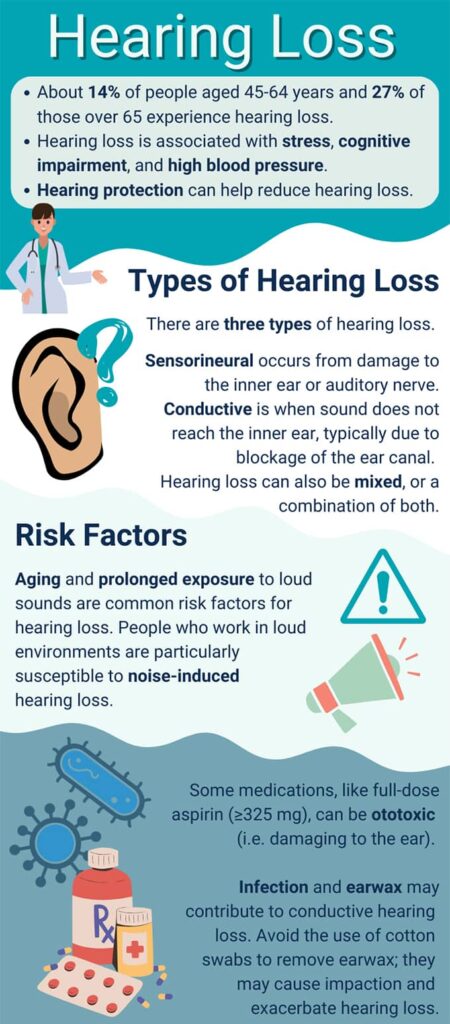
Hearing loss can be categorized into three types: sensorineural hearing loss, conductive hearing loss, and mixed hearing loss.
Sensorineural Hearing Loss
Sensorineural hearing loss is the most common type and is typically caused by damage to the inner ear or auditory nerve. This type of hearing loss may be due to factors such as aging, exposure to loud noises, genetic predisposition, or certain medications. Sensorineural hearing loss can make it difficult to hear sounds clearly and can affect both the volume and quality of sounds.
Conductive Hearing Loss
Conductive hearing loss occurs when sound waves do not properly reach the inner ear. This can be caused by blockages or obstructions in the outer or middle ear, such as earwax buildup, fluid accumulation, or infections. Conductive hearing loss can often be treated with medical interventions, such as removing the blockage or treating the underlying infection.
Mixed Hearing Loss
Mixed hearing loss refers to a combination of sensorineural and conductive hearing loss. This means that there may be damage to both the inner ear and some form of blockage or obstruction, resulting in a combination of hearing difficulties.
Prevalence of Hearing Loss
Hearing loss affects a significant portion of the population. Nearly 14% of people aged 45-64 and almost 27% of those aged 65 and over experience some form of hearing loss. Even young people are increasingly at risk of hearing loss due to the use of personal listening devices and listening to loud music.
Hearing Loss Statistics
Research shows that hearing loss is a common health issue worldwide. The prevalence of hearing loss varies based on various factors, including age, gender, and environmental factors. It is essential to raise awareness about hearing loss and its impact on individuals’ lives.
Age-Related Hearing Loss
Age-related hearing loss, also known as presbycusis, is a common form of hearing loss that occurs gradually with age. The tiny hair cells in the inner ear responsible for picking up sounds can become damaged or less flexible over time, leading to hearing loss. Presbycusis can make it challenging to hear high-pitched sounds or understand speech in noisy environments.
Risk Factors for Hearing Loss
Several factors can increase the risk of developing hearing loss. Exposure to loud noises for extended periods, such as working in noisy environments or listening to music at high volumes, can damage the hair cells in the inner ear. Certain medications, including some antibiotics and chemotherapy drugs, may also have a negative impact on hearing. Other risk factors include a family history of hearing loss, smoking, and certain medical conditions like diabetes.

This image is property of www.lifeextension.com.

The Link Between Nutrients and Hearing Health
Research suggests that certain nutrients play a crucial role in maintaining optimal hearing health. These nutrients can help reduce oxidative stress and protect against cell damage, which are factors associated with hearing loss.
Role of Nutrients in Hearing Health
Nutrients such as magnesium, N-acetyl cysteine, lipoic acid, and vitamins A, C, and E have been studied for their potential benefits in supporting hearing health. These nutrients are involved in various bodily processes, including protecting the delicate structures of the inner ear, promoting blood flow to the ear, and supporting the functioning of the auditory nerves.
Reducing Oxidative Stress
Oxidative stress is an imbalance between harmful free radicals and the body’s antioxidant defenses. The inner ear is particularly vulnerable to oxidative stress due to its high metabolic activity and exposure to various environmental factors. Nutrients with antioxidant properties, such as vitamins A, C, and E, can help reduce oxidative stress and protect against damage to the auditory system.
Protecting Against Cell Damage
Cell damage in the inner ear can contribute to hearing loss. Nutrients like magnesium, N-acetyl cysteine, and lipoic acid have been studied for their potential to protect against cell damage in the auditory system. These nutrients may help preserve the integrity of the hair cells and nerves involved in hearing.
Specific Nutrients for Hearing Health
Certain nutrients have shown promise in supporting hearing health and preventing or slowing down the progression of hearing loss.
Magnesium
Magnesium is a mineral that plays a vital role in maintaining overall health, including hearing health. Studies have shown that magnesium may help protect against noise-induced hearing loss and age-related hearing loss. It is believed to enhance blood flow to the inner ear and reduce damage caused by excessive noise or oxidative stress.
N-acetyl Cysteine
N-acetyl cysteine is an amino acid that acts as a precursor to glutathione, a powerful antioxidant in the body. Research suggests that N-acetyl cysteine may help protect against noise-induced hearing loss and reduce the risk of developing age-related hearing loss. It is believed to work by reducing oxidative stress and protecting the delicate structures of the inner ear.
Lipoic Acid
Lipoic acid is an antioxidant that has shown potential in supporting hearing health. Studies suggest that lipoic acid may protect against age-related hearing loss and reduce oxidative damage in the inner ear. This antioxidant may also help enhance the production of glutathione, further supporting the body’s antioxidant defenses.
Vitamins A, C, and E
Vitamins A, C, and E are essential for overall health and have been studied for their potential benefits in maintaining hearing health. These vitamins possess antioxidant properties, helping to protect against oxidative stress and cell damage in the inner ear. Adequate intake of these vitamins through a balanced diet or supplements may contribute to better hearing health.

This image is property of www.lifeextension.com.
Studies on Nutrients and Hearing Loss
Numerous scientific studies have explored the potential benefits of specific nutrients in preventing or managing hearing loss.
Study 1: Magnesium and Hearing Loss
A study conducted on individuals exposed to loud noise found that magnesium supplements helped reduce the risk of noise-induced hearing loss. The study suggested that magnesium may help protect the delicate hair cells in the inner ear from damage caused by loud noises.
Study 2: N-acetyl Cysteine and Hearing Loss
Research investigating the effects of N-acetyl cysteine on noise-induced hearing loss found that it may help prevent damage to the inner ear. The study suggested that N-acetyl cysteine’s antioxidant properties may play a role in reducing oxidative stress and protecting against noise-induced hearing loss.
Study 3: Lipoic Acid and Hearing Loss
A study exploring the effects of lipoic acid on age-related hearing loss found that it may help preserve auditory function in older individuals. The study suggested that lipoic acid’s antioxidant effects may help reduce oxidative damage and support the health of the inner ear.
Study 4: Vitamins A, C, and E and Hearing Loss
Research has shown that adequate intake of vitamins A, C, and E through diet or supplements may contribute to better hearing health. These vitamins have been associated with a reduced risk of age-related hearing loss and may help protect against oxidative stress and cell damage in the auditory system.
Treatment Options for Hearing Loss
Various treatment options are available for individuals with hearing loss, depending on the type and severity of their condition.
Hearing Aids
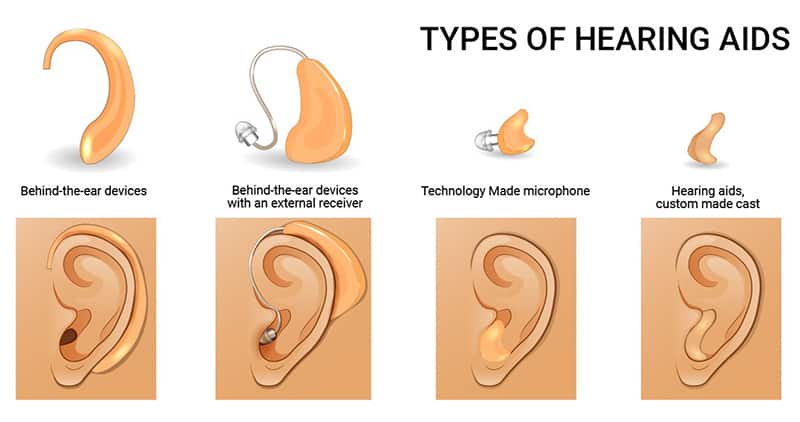
Hearing aids are common and effective devices used to amplify sounds and improve hearing in individuals with hearing loss. These devices are worn in or behind the ear and work by collecting and amplifying sounds before delivering them to the ear. Hearing aids can significantly improve communication and quality of life for individuals with hearing loss.
Emerging Approaches
Over the years, emerging approaches to treating hearing loss have gained attention in the scientific community. These approaches aim to address the root causes of hearing loss and potentially restore or regenerate damaged auditory structures. Some emerging approaches include stem cell therapy, gene therapy, and the use of pharmaceutical agents to target specific molecular pathways involved in hearing loss.
Gene Therapy
Gene therapy is a promising approach that involves using genetic material to correct or replace faulty genes associated with hearing loss. This innovative therapy aims to treat the underlying causes of hearing loss at the genetic level, potentially offering long-term benefits for individuals with certain genetic hearing disorders.
Regenerative Medicine
Regenerative medicine focuses on using various techniques, such as stem cell transplantation and tissue engineering, to repair or replace damaged tissues and organs. In the context of hearing loss, regenerative medicine aims to regenerate the hair cells in the inner ear responsible for detecting sound. This area of research shows promising potential for restoring hearing function in individuals with certain types of hearing loss.
This image is property of www.lifeextension.com.
Consequences of Untreated Hearing Loss
If left untreated, hearing loss can have significant consequences for individuals’ overall well-being and quality of life.
Decreased Quality of Life
Untreated hearing loss can lead to various challenges in daily life. It can affect communication and social interactions, making it challenging to participate in conversations or enjoy activities. This can lead to feelings of frustration, isolation, and a reduced quality of life.
Increased Healthcare Costs
Hearing loss, if left untreated, may result in additional healthcare costs. Individuals with hearing loss may require more frequent visits to healthcare professionals, including audiologists and specialists. These additional costs can add up over time, making it important to address hearing loss in a timely manner.
Social Isolation
Untreated hearing loss can contribute to social isolation and feelings of loneliness. Difficulty hearing and communicating with others can lead to decreased social engagement and participation in social activities. This can impact mental and emotional well-being, potentially leading to depression or anxiety.
Prevention of Hearing Loss
Taking proactive measures to prevent hearing loss is important for maintaining optimal hearing health.
Proper Diet and Lifestyle Changes
A healthy diet rich in nutrients is important for overall well-being, including hearing health. Consuming a balanced diet that includes sources of vitamins A, C, and E, as well as magnesium, can support the health of the auditory system. Additionally, maintaining a healthy lifestyle by exercising regularly, managing stress, and avoiding smoking can also contribute to better hearing health.
Avoiding Loud Noises
Exposure to loud noises, such as listening to music at high volumes or working in noisy environments, can damage the delicate structures of the inner ear. Limiting exposure to loud noises and using ear protection, such as earplugs or earmuffs, can help prevent noise-induced hearing loss.
Protecting the Ears
Taking steps to protect the ears from potential damage is essential for preventing hearing loss. This includes avoiding inserting sharp objects into the ears, cleaning the ears gently, and seeking medical attention for ear infections or other ear-related issues promptly. Additionally, individuals should be cautious when participating in activities with high noise levels, such as concerts or motor sports, and use ear protection as needed.
This image is property of www.lifeextension.com.
The Need for Further Research
While significant progress has been made in understanding hearing loss and its potential treatments, there is still a need for further research in this field.
Understanding Causes of Hearing Loss
Research is ongoing to better understand the underlying causes of hearing loss. This includes studying genetic factors, environmental influences, and the complex interactions that contribute to different types of hearing loss. By gaining a deeper understanding of the causes, scientists can develop more targeted therapies and interventions.
Developing Effective Treatments
Efforts are underway to develop more effective treatments for hearing loss. Researchers are exploring various approaches, such as regenerative medicine and gene therapy, to address the root causes of hearing loss and potentially restore or improve hearing function in affected individuals. Continued research and clinical trials are needed to evaluate the safety and efficacy of these emerging treatment options.
Suggested Nutritional Supplements
While a balanced diet should be the primary source of nutrients, some individuals may benefit from specific nutritional supplements to support hearing health. It is always important to consult with a healthcare professional before starting any new supplements. Here are three suggested nutritional supplements:
Supplement 1
This supplement contains magnesium, which has been studied for its potential benefits in protecting against noise-induced hearing loss. It may help support the health of the inner ear and reduce the risk of hearing damage due to loud noises.
Supplement 2
This supplement contains N-acetyl cysteine, which has antioxidant properties and may help reduce oxidative stress in the auditory system. It is believed to support hearing health and protect against age-related hearing loss.
Supplement 3
This supplement combines vitamins A, C, and E, which possess antioxidant properties and play essential roles in maintaining overall health. These vitamins may support the health of the auditory system and help reduce the risk of age-related hearing loss.
In conclusion, understanding the different types of hearing loss, taking steps to prevent hearing loss, and considering the potential benefits of specific nutrients can contribute to better hearing health. While treatment options are available for individuals with hearing loss, further research is needed to develop more effective treatments and interventions. By prioritizing hearing health and making informed choices, individuals can take proactive measures to protect their hearing and maintain a good quality of life.
