
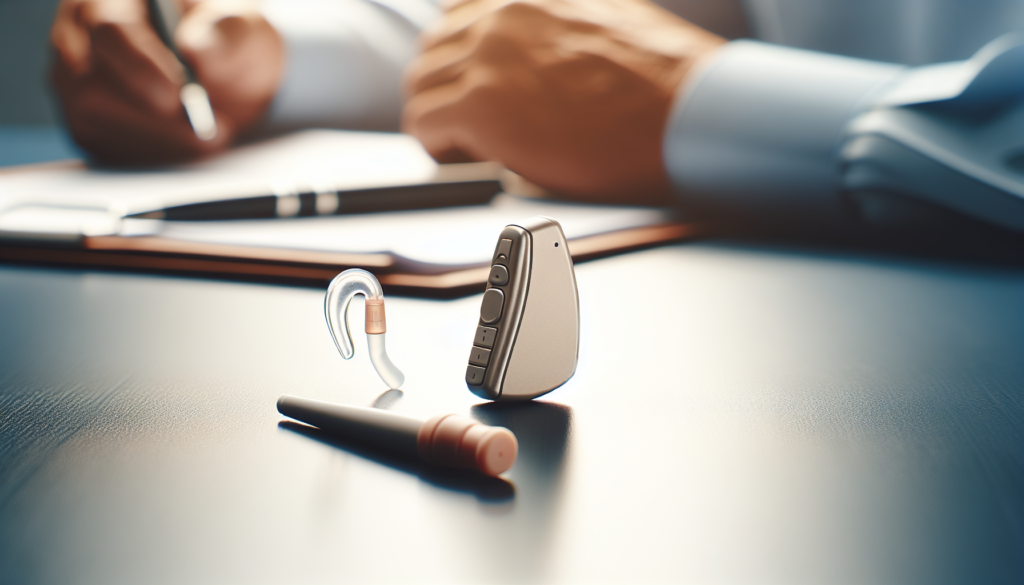
Are you considering getting new hearing aids? Adjusting to these devices can be a journey, but don’t worry, we’ve got you covered! In this article, we will guide you through the 10 best practices for adjusting to new hearing aids. With our empathetic approach, backed by factual information, you’ll feel confident and motivated to make the most out of your hearing aids. So let’s get started on your path to improved hearing and a better quality of life!

Understand the Benefits of Hearing Aids
Hearing aids can have a significant positive impact on communication, leading to an enhanced quality of life and overall well-being. By using hearing aids, you can improve your ability to hear and understand conversations, allowing for better interactions with the people around you. Whether you are struggling with hearing loss due to aging, noise exposure, or other factors, hearing aids can help restore clarity and bring back the joy of hearing.
Realize the Positive Impact on Communication
One of the primary benefits of hearing aids is their ability to improve communication. When you can hear clearly, you can actively participate in conversations without constantly asking others to repeat themselves. Hearing aids amplify sounds, making it easier to hear speech and distinguish different sounds. By ensuring that you catch every word, hearing aids help you stay engaged in conversations and contribute effectively.
Enhanced Quality of Life and Overall Well-being
In addition to better communication, using hearing aids can enhance your overall quality of life and well-being. When you can fully engage with the world around you through clear hearing, you may find yourself experiencing a renewed sense of independence and confidence. Hearing aids can also contribute to better mental health by reducing feelings of social isolation and improving emotional well-being. By addressing hearing loss with hearing aids, you can enjoy a more fulfilling and satisfying life.
Choose the Right Hearing Aid for Your Needs
To make the most out of your hearing aids, it is essential to choose the right one for your specific needs. Consulting with an audiologist or a hearing care professional can help you identify the right type and model of hearing aid that suits your particular hearing loss and lifestyle. These professionals can perform hearing tests and evaluate your hearing requirements to advise you on the best options available.
Consult with an Audiologist or Hearing Care Professional
An audiologist or a hearing care professional has the expertise to guide you through the process of selecting a hearing aid. They can provide comprehensive evaluations, recommend appropriate hearing aids, and help you understand the associated costs and insurance coverage. By consulting with a professional, you gain valuable insights and expert guidance to ensure that your hearing aid choice aligns with your specific needs.
Consider Your Lifestyle and Specific Hearing Requirements
When choosing a hearing aid, it’s important to consider your lifestyle and the specific situations in which you struggle with hearing. Different hearing aids have varying features suited for different environments and activities. If you lead an active lifestyle and frequently find yourself in noisy environments, a hearing aid with noise reduction and directional microphone features may be more suitable. On the other hand, if you spend a lot of time on the phone, a hearing aid with compatible telecoil technology may be ideal. By identifying your needs and preferences, you can select a hearing aid that complements your lifestyle.
Get Familiar with Your Hearing Aid
Once you have chosen your hearing aid, it is crucial to become familiar with its operation and functionality. Reading the user manual carefully is essential to understand the proper usage, care, and maintenance of your device. The manual will provide detailed instructions on how to put on and remove the hearing aid, adjust volume settings, change batteries, and clean the device. By acquainting yourself with these instructions, you can maximize the benefits of your hearing aid.
Read the User Manual Carefully
The user manual is an invaluable resource that provides step-by-step instructions on how to navigate your hearing aid’s features and settings. Take the time to read through each section thoroughly, paying attention to any specific tips or troubleshooting information. Understanding how to operate your hearing aid properly from the beginning will ensure that you are making the most of its capabilities right from the start.
Practice Basic Functions of the Device
To become comfortable with your hearing aid, practice using its basic functions. Put the hearing aid on and take it off repetitively to develop your muscle memory for easy handling. Practice adjusting volume settings to find the right level for different environments. Experiment with different hearing aid features, such as noise reduction, to understand how they affect your listening experience. By mastering these basic functions, you will gain confidence in using your hearing aid daily.
Start Slowly with Your Hearing Aid
Starting slowly with your hearing aid can help you ease into the experience and gradually acclimate to its benefits. Begin by wearing your hearing aid for shorter periods, allowing your brain and ears to adapt to the amplified sounds. As you become more comfortable, gradually increase the usage time. By gradually increasing the duration over several weeks, you give yourself ample time to adjust to the changes without overwhelming your sensory input.
Gradually Increase the Usage Time
In the beginning, try wearing your hearing aid for just a few hours each day. Pay attention to how your hearing improves during these periods and take note of any challenges you may encounter. As you feel more comfortable and confident, gradually increase the usage time by adding an hour or two each day. This incremental approach allows your brain to adjust to the amplified sounds more gradually, leading to a smoother transition.
Avoid Overwhelming Sensory Input
It’s important to avoid overwhelming your sensory input when you first start using a hearing aid. The sudden amplification of sounds can be overwhelming for some individuals, causing discomfort or fatigue. Take breaks if needed and reduce the volume or use specific features like noise reduction in challenging environments. By being mindful of your comfort levels and making adjustments as necessary, you can ensure a positive experience with your hearing aid.
Be Patient with Yourself
Adjusting to hearing aids is a unique process that varies for each individual. Be patient with yourself and give yourself time to adapt to the new sounds and sensations. It may take several weeks or even months for your brain to fully adjust to the amplified sounds and for you to feel completely comfortable. Recognize that this adjustment period is normal and remind yourself of the long-term benefits you will gain from persevering.
Adjustment Period May Vary for Individuals
Remember that there is no set timeline for adjusting to hearing aids. The duration of the adjustment period can vary depending on factors such as the severity of your hearing loss, your overall health, and your dedication to wearing your hearing aids consistently. It’s essential to remain positive and keep a realistic perspective, understanding that improvements in your hearing and overall well-being will occur gradually.
Give Yourself Time to Adapt
Adapting to hearing aids is not an overnight process. Commit to wearing your hearing aids consistently and embrace the learning curve that comes with it. Give yourself the opportunity to experience the full benefits of using hearing aids by patiently allowing your brain and ears to adapt to the new sounds you encounter. With time, the adjustment period will pass, and you will enjoy the rewards of improved hearing.
Seek Professional Assistance
Regular follow-up appointments with your audiologist or hearing care professional are essential for maintaining the optimal functioning of your hearing aids. These professionals can fine-tune and make necessary adjustments to ensure that your hearing aids continue to deliver the best performance possible. By regularly consulting with a professional, you can address any concerns, receive guidance, and take advantage of any advancements in hearing aid technology.
Regular Follow-up Appointments with Audiologist
Establishing a relationship with your audiologist or hearing care professional is vital for ongoing support and maintenance of your hearing aids. Schedule regular follow-up appointments to monitor your progress, discuss any challenges you may be facing, and receive professional guidance on optimizing your hearing aid experience. These appointments also offer an opportunity to address any questions or concerns you may have and stay up-to-date with any new developments in the field.
Fine-tuning and Adjustments for Optimal Performance
As your ears and brain continue to adjust to the hearing aid, you may find that certain settings or features need to be adjusted. Your audiologist or hearing care professional can fine-tune your hearing aids based on your feedback to optimize their performance. They can adjust the volume levels, hearing aid programming, and other settings to ensure that you are getting the best possible listening experience. Don’t hesitate to reach out to your professional for any adjustments or troubleshooting needs.
Practice Active Listening Techniques
Using hearing aids goes beyond just wearing them – actively practicing listening techniques can further enhance your communication abilities. Pay attention to your environment and be aware of any background noise that may interfere with understanding speech. Position yourself where you can see the speaker’s face clearly, as visual cues can supplement your hearing. Try to listen actively and focus on understanding rather than simply hearing. These techniques can help you make the most of your hearing aids in various situations.
Pay Attention to Environment and Background Noise
When wearing hearing aids, it’s important to be mindful of your listening environment. Background noise can present challenges in understanding speech, so try to position yourself in quieter areas whenever possible. If you are in a noisy setting, take advantage of any noise reduction features your hearing aids may have. Being aware of the noise levels and making small adjustments can significantly improve your ability to hear and communicate effectively.
Use Visual Cues and Context to Aid Understanding
Visual cues, such as lip movements and facial expressions, can provide valuable information to supplement your understanding when using hearing aids. Position yourself where you can see the speaker’s face clearly, allowing you to utilize visual cues that complement the sounds you hear. Additionally, paying attention to the context of the conversation can help fill in any gaps or uncertainties in what you may have heard. By combining both auditory and visual information, you can enhance your comprehension and improve your overall communication experience.
Communicate Effectively with Others
Informing your friends and family about your hearing aids can help them understand your needs and create a supportive environment. Letting others know about your hearing aids encourages clear communication, where people can speak in a way that is most helpful to you. Inform them about the importance of facing you directly, speaking clearly, and avoiding excessive background noise. Effective communication is a two-way process, and open dialogue about your hearing aids can foster better understanding and collaboration.
Inform Your Friends and Family about Your Hearing Aid
Sharing information about your hearing aids with your loved ones ensures that they are aware of your needs and can accommodate them. Explain the purpose of your hearing aids and how they assist you in your daily life. Emphasize the importance of effective communication and the role they can play in making it easier for you to understand and engage in conversations. Open communication fosters empathy and understanding, creating an environment where everyone feels comfortable and supported.
Ask for Support and Clear Communication
Do not hesitate to ask for support when needed and communicate your preferences clearly. Let those around you know if you are having difficulty hearing or if a specific situation is challenging for you. By openly expressing your needs, you empower others to be more considerate and accommodating. Moreover, be proactive in suggesting strategies and adjustments that could improve communication. Open and honest communication is key to creating an inclusive and supportive social environment.
Create a Suitable Listening Environment
Creating a suitable listening environment can significantly enhance your ability to hear and understand conversations. In both your home and work environments, take steps to reduce background noise and create a quieter space. Consider using sound-absorbing materials or rugs to minimize echoes and reverberations. If necessary, explore assistive listening devices, such as captioned telephones or personal amplification systems, to further improve your communication experience in specific situations.
Reduce Background Noise at Home and Work
At home, try to minimize any background noise that may interfere with your ability to hear clearly. Close windows and doors to reduce outside noise, and consider using curtains or blinds to muffle sound. When working, arrange your workspace in a way that minimizes distractions and optimizes your ability to hear. Use noise-cancelling headphones or earplugs if necessary. By creating a conducive listening environment, you can focus better and engage more effectively in conversation.
Utilize Assistive Listening Devices if Needed
Assistive listening devices can provide additional support in challenging listening situations. These devices are designed to supplement the benefits of hearing aids by further amplifying sound or reducing background noise. Captioned telephones, for example, display written captions of the conversation in real-time. Personal amplification systems, on the other hand, consist of a microphone worn by the speaker and a receiver worn by the listener. These devices can be particularly helpful in larger group settings or environments with excessive noise levels.
Establish Realistic Expectations
While hearing aids offer significant benefits, it is important to establish realistic expectations to ensure satisfaction with your hearing aid experience. Understand that hearing aids do not restore perfect hearing but rather improve your ability to hear and understand sounds. While they may not solve every hearing difficulty, they can significantly enhance your overall communication abilities. Be realistic about the limitations and focus on the improvements you can realistically achieve.

Hearing Aids Help, but They Don’t Restore Perfect Hearing
It’s important to remember that hearing aids assist in improving your hearing, but they cannot restore your hearing to its natural state. While they amplify sounds and improve your ability to discern speech, hearing aids cannot replicate the perfect hearing you may have had in the past. It’s crucial to approach the use of hearing aids with the understanding that they are aids, and they work alongside your existing hearing abilities to enhance your overall listening experience.
Recognize the Limitations and Improve Realistically
Recognizing the limitations of hearing aids can help you set realistic expectations for improvement. Some situations, such as noisy environments with multiple speakers, may still pose challenges even with the assistance of hearing aids. It is essential to continue implementing effective communication strategies, asking for repetition when needed, and utilizing visual cues. By understanding the limitations and continuously working on improving your communication skills, you can make the most of your hearing aids and enjoy better hearing overall.
By understanding the benefits of hearing aids, choosing the right device, becoming familiar with its operation, starting slowly, and seeking professional assistance, you can optimize your hearing aid experience. Practicing active listening techniques, effective communication, and creating suitable listening environments will further enhance your ability to hear and engage in conversations. Remember, it’s essential to have realistic expectations, embrace the adjustment period, and continue working on improving your communication skills for long-term success with your hearing aids. With the right mindset and support, you can enjoy the benefits of enhanced hearing and a more fulfilling life.
