
Do you know that hearing loss is a big problem for many people all around the world? It’s becoming even more common because of things like getting older or being exposed to loud noises. It’s really important to find out if you have hearing loss as soon as possible so that you can get the right treatment. There are different types of hearing loss, like when you’re older or you’ve had a lot of ear infections. Even if you just have a little bit of hearing loss, it can still make it hard for you to talk to people and enjoy things. In Germany, it’s estimated that about 19% of people have hearing loss and need help. There are different ways to treat hearing loss, like having surgery or using special devices in your ears. It’s all about making sure you can hear and live a good life!
Types of Hearing Loss
Permanent Types of Hearing Loss
Permanent hearing loss refers to a type of hearing loss that cannot be entirely reversed or restored. There are various causes of permanent hearing loss, including factors such as old age, chronic otitis media, and acoustic trauma.
Chronic Otitis Media
Chronic otitis media is a condition characterized by long-term inflammation of the middle ear. This inflammation can lead to the accumulation of fluid in the middle ear space, resulting in hearing loss. It is more commonly seen in children, but adults can also be affected.
Acoustic Trauma
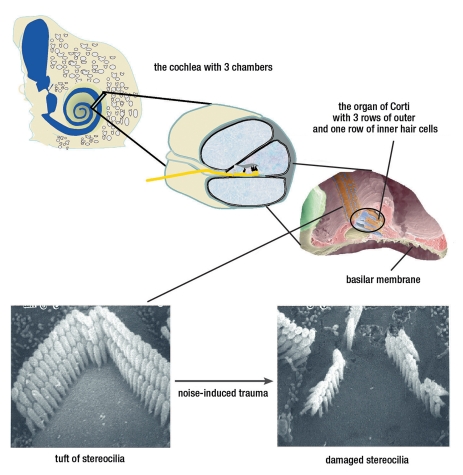
Acoustic trauma occurs when the ears are exposed to excessive noise. This can include exposure to loud music, construction noises, or explosions. Prolonged exposure to loud sounds can damage the delicate structures in the inner ear and cause permanent hearing loss.
Transient Hearing Loss in Childhood
Transient hearing loss is a temporary form of hearing loss that is often seen in children. It can be caused by factors such as ear infections, fluid build-up in the middle ear, or blockages in the ear canal. In most cases, this type of hearing loss can be resolved with appropriate medical treatment.
Impact of Hearing Loss on Communication
Effects on Verbal Communication
Hearing loss can significantly impact an individual’s ability to understand and participate in verbal communication. People with hearing loss may have difficulty hearing speech sounds, distinguishing between similar sounds, or understanding conversations in noisy environments. This can lead to miscommunication, frustration, and difficulties in social interactions.
Effects on Social Interaction
Hearing loss can also have a profound impact on an individual’s social interactions. People with hearing loss may find it challenging to engage in conversations, follow group discussions, or participate in social activities. This can result in feelings of isolation, exclusion, and a decreased quality of life.
Effects on Mental Health
Hearing loss can also have implications for an individual’s mental health. The difficulty in communication and social interactions that come with hearing loss can lead to increased stress, anxiety, and even depression. It is crucial to address hearing loss promptly to mitigate its potential impact on mental well-being.
This image is property of www.ncbi.nlm.nih.gov.
Epidemiology of Hearing Loss
Global Prevalence
Hearing loss is a significant global health issue that affects people of all ages and backgrounds. The World Health Organization (WHO) estimates that approximately 466 million people worldwide have disabling hearing loss. This number is expected to increase due to factors such as aging populations and exposure to excessive noise.
Prevalence in Germany
In Germany, it is estimated that around 19% of the population, or approximately 13-14 million people, are affected by hearing loss and require treatment. This highlights the importance of raising awareness and providing timely interventions to address this prevalent health concern.
Diagnosis and Treatment of Hearing Loss
Timely and Accurate Diagnosis
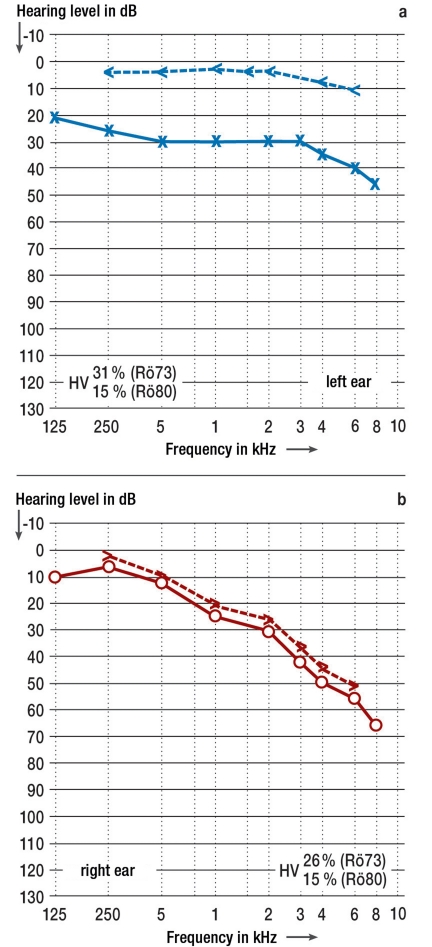
Timely and accurate diagnosis is crucial for effective treatment of hearing loss. A comprehensive evaluation by a hearing healthcare professional, such as an audiologist, can assess the severity and cause of the hearing loss. Diagnostic tests such as pure-tone audiometry, speech audiometry, and tympanometry may be conducted to determine the extent and type of hearing loss.
Middle-Ear Surgery
In cases where hearing loss is caused by conditions such as chronic otitis media or structural abnormalities in the middle ear, middle-ear surgery may be recommended. This surgical procedure aims to restore the function of the middle ear and improve hearing.
Implantable Hearing Aids
For individuals with moderate to severe hearing loss, implantable hearing aids may be a suitable option. These devices are surgically implanted and can provide improved sound amplification and speech clarity compared to traditional hearing aids.
Cochlear Implants
Cochlear implants are electronic devices that can be a viable option for individuals with severe to profound hearing loss. Unlike hearing aids, which amplify sound, cochlear implants bypass the damaged cochlea and directly stimulate the auditory nerve, allowing individuals to perceive sound.
Pharmacotherapy
In certain cases, pharmacotherapy may be recommended as a treatment for hearing loss. This includes the use of medications such as corticosteroids to reduce inflammation and improve hearing. However, it is important to note that not all types of hearing loss can be treated with medication.

This image is property of www.ncbi.nlm.nih.gov.
Cochlear Implants and their Indications
Expanding Indications
The indications for cochlear implants have expanded over the years. In addition to severe congenital deafness, cochlear implants are now also considered as a treatment option for age-related hearing loss. This has opened up new opportunities for older adults who may be experiencing significant hearing difficulties.
Severe Congenital Deafness
For individuals born with severe congenital deafness, cochlear implants can be life-changing. By providing access to sound and facilitating auditory development, cochlear implants enable these individuals to communicate and interact with the world in ways they may not have been able to before.
Age-Related Hearing Loss
Age-related hearing loss, also known as presbycusis, occurs gradually as a result of natural aging processes. Cochlear implants have shown promise in improving hearing and quality of life for older adults experiencing significant hearing loss. This underscores the importance of considering cochlear implants as a treatment option for age-related hearing loss.
Classification of Hearing Impairment
Severity
Hearing impairment can be classified based on its severity, which is typically measured in decibels (dB) of hearing loss. The classifications range from mild to profound, with mild hearing loss being a slight difficulty in hearing soft sounds and profound hearing loss being a near or complete inability to hear.
Anatomical Location
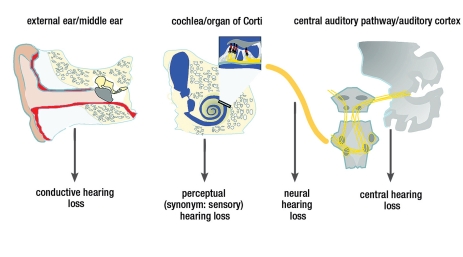
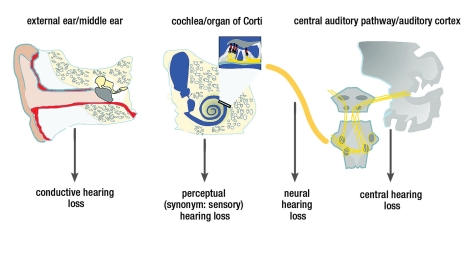
Another way to classify hearing impairment is based on the anatomical location of the hearing loss. This can include conductive hearing loss, which affects the outer or middle ear, sensorineural hearing loss, which affects the inner ear or auditory nerve, or mixed hearing loss, which involves a combination of conductive and sensorineural components.
Age
Age is another factor that is considered in the classification of hearing impairment. Hearing loss can be categorized as congenital, meaning it is present at birth or acquired later in life. Age-related hearing loss, as mentioned earlier, falls under the category of acquired hearing loss.
This image is property of www.ncbi.nlm.nih.gov.
Effects of Mild Hearing Loss
Communication Difficulties
Even mild hearing loss can have a significant impact on an individual’s ability to communicate effectively. It may become challenging to hear and understand conversations, especially in noisy environments. This can lead to frequent misunderstandings, asking for repetitions, and difficulties in following discussions.
Impact on Quality of Life
Mild hearing loss can also affect an individual’s overall quality of life. It may result in feelings of frustration, social isolation, and reduced participation in activities. Additionally, the strain caused by trying to understand speech can lead to increased mental and physical fatigue.
Global Initiatives for Hearing Health
World Health Organization’s Efforts
The World Health Organization (WHO) has recognized the importance of addressing hearing loss as a public health issue. They have initiated various efforts to raise awareness, provide guidelines for prevention and management, and improve access to hearing healthcare services globally. Their goal is to reduce the burden of hearing loss on individuals and societies worldwide.
Importance of Awareness and Early Intervention
Raising awareness about hearing health and the importance of early intervention is crucial in addressing hearing loss. Promoting regular hearing check-ups, encouraging the use of noise protection measures, and providing information about the available treatment options can help individuals take proactive steps towards preserving their hearing and seeking timely assistance if hearing loss is detected.
This image is property of www.ncbi.nlm.nih.gov.
Prevention and Management of Hearing Loss
Noise Protection and Avoidance
Exposure to excessive noise is a leading cause of hearing loss. Taking precautionary measures such as using earplugs or earmuffs in loud environments, lowering the volume of personal listening devices, and limiting exposure to loud sounds can help prevent or reduce the risk of hearing loss.
Regular Hearing Check-ups
Getting regular hearing check-ups is essential for early detection and timely intervention. Routine assessments can identify hearing loss in its early stages, allowing for appropriate measures to be taken to preserve and manage hearing health effectively.
Assistive Listening Devices
Assistive listening devices, such as hearing aids and cochlear implants, can play a significant role in managing hearing loss. These devices are designed to amplify sound and improve the clarity of speech, enabling individuals with hearing loss to communicate more effectively and participate fully in daily activities.
Conclusion
Timely intervention and management of hearing loss are vital to improving the quality of life for individuals affected by this condition. With the different types of hearing loss, their impacts on communication and mental well-being, and the available diagnostic and treatment options, it is crucial to raise awareness, promote early intervention, and provide access to appropriate hearing healthcare services. By taking proactive steps towards hearing health, individuals can mitigate the impact of hearing loss and enjoy a better quality of life.
