

This article is all about choosing the right hearing aid for you! Hearing aids are special devices that can help people who have trouble hearing. There are different types of hearing aids, like ones that go behind your ear, in your ear, or even in the canal. They can treat different kinds of hearing problems too, like when you can’t hear well in one ear or if you have trouble hearing certain sounds. It’s important to pick the right hearing aid for you, because it can make a big difference in your life. Some things to think about are how it looks, how well it works, how long the batteries last, and if it has any special features like Bluetooth. Don’t worry, there are special people called audiologists and ear doctors who can help you pick the perfect hearing aid just for you!
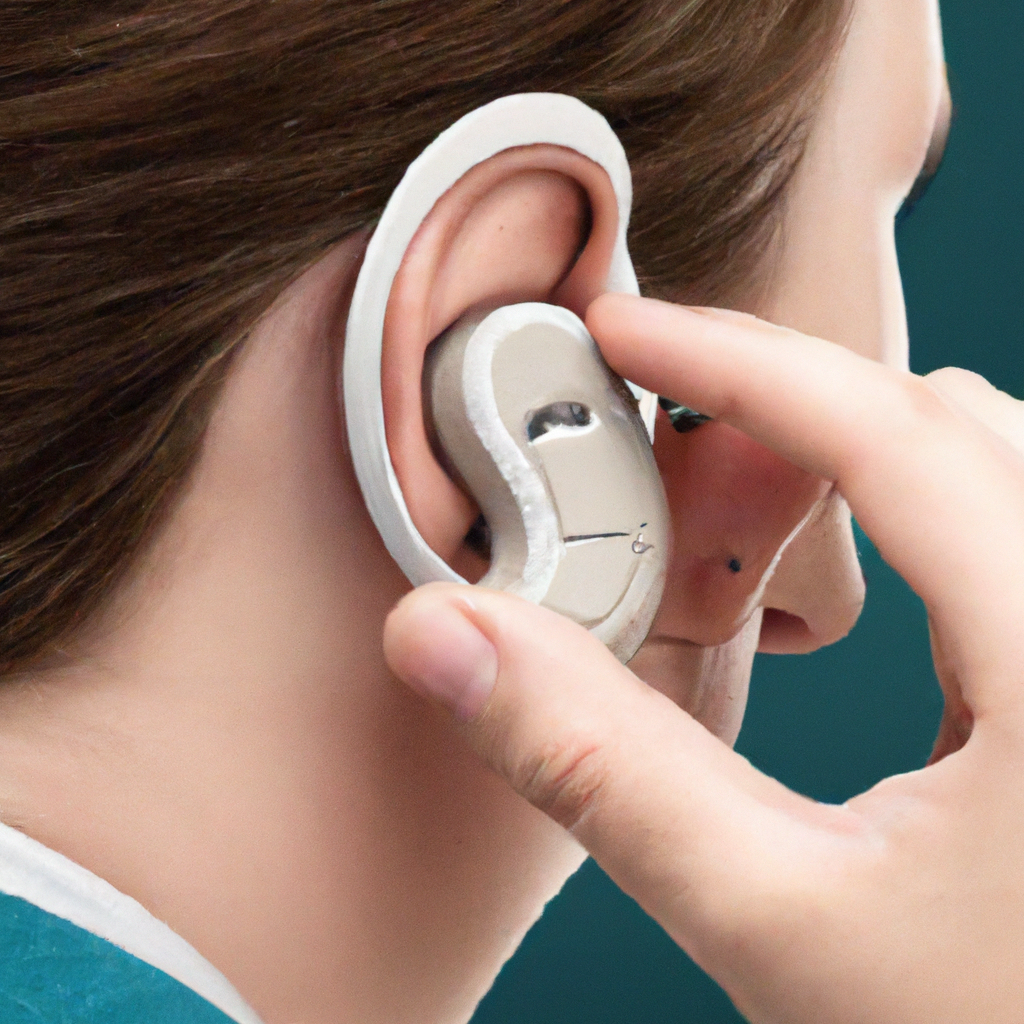
Types of Conventional Hearing Aids
When it comes to choosing a hearing aid, there are different types available. Let’s explore some of the most common ones:
Behind-the-Ear (BTE)
The behind-the-ear hearing aid is a popular choice. As the name suggests, it is worn behind the ear and consists of two parts. The main device sits behind the ear and amplifies sounds, while a tube connects it to a custom earmold or earpiece that fits inside the ear canal.
Receiver in the Canal (RIC)
The receiver in the canal hearing aid is similar to the behind-the-ear style, but instead of a tube connecting the device to the ear canal, a tiny wire holds the receiver (speaker) directly in the canal. This allows for a more discreet appearance while maintaining excellent sound quality.
In the Ear (ITE)
The in-the-ear hearing aid is custom-made to fit the shape of the wearer’s outer ear. It fills the bowl-shaped area of the ear and may be visible to others. ITE hearing aids are available in different sizes, including full shell and half shell options.
Other Types
There are also other types of conventional hearing aids, such as completely-in-the-canal (CIC), invisible-in-canal (IIC), and body-worn hearing aids. CIC and IIC hearing aids fit deep inside the ear canal, making them nearly invisible. Body-worn hearing aids are larger devices that are worn on the body and connected to the ear with a tube.
Factors to Consider in Selecting a Hearing Aid
When choosing a hearing aid, there are several factors to consider. It’s important to find a device that meets your specific needs and lifestyle. Let’s take a look at some of these factors:
Audiometric Deficit
Audiometric deficit refers to the specific type and severity of hearing loss. Different hearing aids are designed to address different types of hearing loss, so it’s essential to work with a hearing healthcare professional to determine the best option for your specific hearing needs.
Cosmesis
Cosmesis refers to the appearance of the hearing aid. Some people may prefer a hearing aid that is discreet and barely noticeable, while others may not mind a more visible device. The size and style of the hearing aid can affect cosmesis, so it’s essential to consider your personal preferences in this regard.
Patient Needs and Lifestyle
Consider your daily activities and lifestyle when selecting a hearing aid. For example, if you lead an active lifestyle, you may benefit from a hearing aid with features that can handle background noise or connect to other devices. It’s crucial to choose a hearing aid that suits your needs, whether you enjoy socializing, working, or participating in hobbies.
Treating Different Types of Hearing Impairments
Hearing aids can effectively treat various types of hearing impairments. Let’s discuss how they can help with different conditions:
Sensorineural Hearing Loss
Sensorineural hearing loss is the most common type of hearing loss, and it occurs when there is damage to the inner ear or the auditory nerve. Conventional hearing aids are often recommended for individuals with sensorineural hearing loss. These devices amplify sounds and help compensate for the damaged or missing hair cells in the inner ear.
Conductive Hearing Loss
Conductive hearing loss occurs when there is a blockage or damage in the outer or middle ear, preventing sound from reaching the inner ear. In some cases, medical or surgical intervention may be necessary to address the underlying cause of conductive hearing loss. However, hearing aids can also be beneficial in these cases by amplifying the sound and bypassing the blockage or damage.
Single-Sided Hearing Loss
Single-sided hearing loss, also known as unilateral hearing loss, affects only one ear. This condition can make it challenging to localize sounds and may lead to difficulties in understanding speech, especially in noisy environments. Hearing aids can help individuals with single-sided hearing loss by transmitting sound from the impaired ear to the unaffected ear, allowing for better sound perception and localization.
The Importance of Using a Hearing Aid
Using a hearing aid can significantly improve your quality of life, yet many people who would benefit from one do not use them. Let’s explore why it is important to use a hearing aid and the effects of hearing loss on mental health:
Low Usage Rate of Hearing Aids
Believe it or not, only about one-fifth of people who could benefit from a hearing aid actually use one. Many individuals may be unaware of the impact their hearing loss has on their daily lives or may be hesitant to seek help. It’s important to understand that hearing aids can make a tremendous difference in communication, social interactions, and overall well-being.
Effects of Hearing Loss on Mental Health
Hearing loss can contribute to social isolation, depression, and cognitive decline. When individuals have difficulty hearing, they may withdraw from social situations, leading to feelings of loneliness and isolation. This can have a significant impact on mental health and overall quality of life. By using a hearing aid, individuals with hearing loss can regain their confidence, stay engaged, and maintain healthy relationships.

Additional Factors to Consider
In addition to the type of hearing aid and the factors mentioned earlier, here are some other factors to consider when selecting a hearing aid:
Battery Life
Battery life is an important consideration as it determines how long your hearing aid can operate before needing a battery change or recharge. Depending on the type of hearing aid, battery life can range from several days to several weeks. It’s important to keep battery life in mind and plan accordingly to avoid unexpectedly running out of power.
Hearing Aid Cleaning
Regular cleaning and maintenance of your hearing aid are crucial for optimal performance and longevity. Cleaning kits are available for this purpose and usually include tools to remove earwax, brushes for cleaning small components, and disinfectant wipes. Proper cleaning habits can prevent earwax buildup, reduce the risk of infections, and extend the lifespan of your hearing aid.
Modern Modifications
Advancements in technology have led to modern modifications in hearing aids. Features such as Bluetooth connectivity, rechargeable batteries, and smartphone apps can enhance the functionality and convenience of your hearing aid. Bluetooth connectivity allows for wireless streaming of audio from compatible devices, rechargeable batteries eliminate the need for regular battery changes, and smartphone apps provide control and customization options.
Assistive Listening Devices
Assistive listening devices (ALDs) can work alongside your hearing aid to improve your hearing experience in specific situations. ALDs include devices like personal amplifiers, TV streamers, and telephone amplifiers. These devices can help amplify sound in challenging environments, such as noisy restaurants or during phone conversations.
Professionals Involved in the Selection and Fitting of Hearing Aids
Choosing and fitting a hearing aid involves the expertise of several healthcare professionals. Here are some of the professionals you may encounter:
Audiologists
Audiologists are the primary healthcare professionals who specialize in the evaluation and management of hearing and balance disorders. They are responsible for conducting hearing assessments, diagnosing hearing loss, and recommending appropriate hearing aids based on individual needs.
Audio-Vestibular Physicians
Audio-vestibular physicians are doctors trained in otolaryngology, specializing in diagnosing and managing disorders of the ear, including hearing loss. Working closely with audiologists, they can provide medical advice and potential surgical treatment options if necessary.
Ear, Nose, and Throat (ENT) Surgeons
ENT surgeons, also known as otolaryngologists, specialize in treating conditions related to the ear, nose, and throat. They may be involved in cases where medical or surgical intervention is required to address underlying causes of hearing loss, such as conductive hearing loss or certain types of sensorineural hearing loss.
Management of Hearing Aid Complications
In some cases, complications related to hearing aids may arise. In such situations, ENT surgeons can play a vital role in managing these complications. Whether it’s addressing issues with the hearing aid itself, ear infections, or other concerns, ENT surgeons have the expertise to provide appropriate care and solutions.
In conclusion, conventional hearing aids offer a variety of options to enhance hearing and improve quality of life for individuals with hearing impairments. By considering factors such as audiometric deficit, cosmesis, and individual needs and lifestyle, you can select a hearing aid that suits your specific requirements. Hearing aids not only provide better hearing but also help prevent the negative consequences of hearing loss on mental health. Additionally, factors like battery life, cleaning habits, modern modifications, and the use of assistive listening devices can further enhance your overall hearing experience. Throughout the selection and fitting process, healthcare professionals such as audiologists, audio-vestibular physicians, and ENT surgeons are there to guide and support you. So, if you or someone you know is experiencing hearing loss, don’t hesitate to seek professional help and explore the world of conventional hearing aids.