
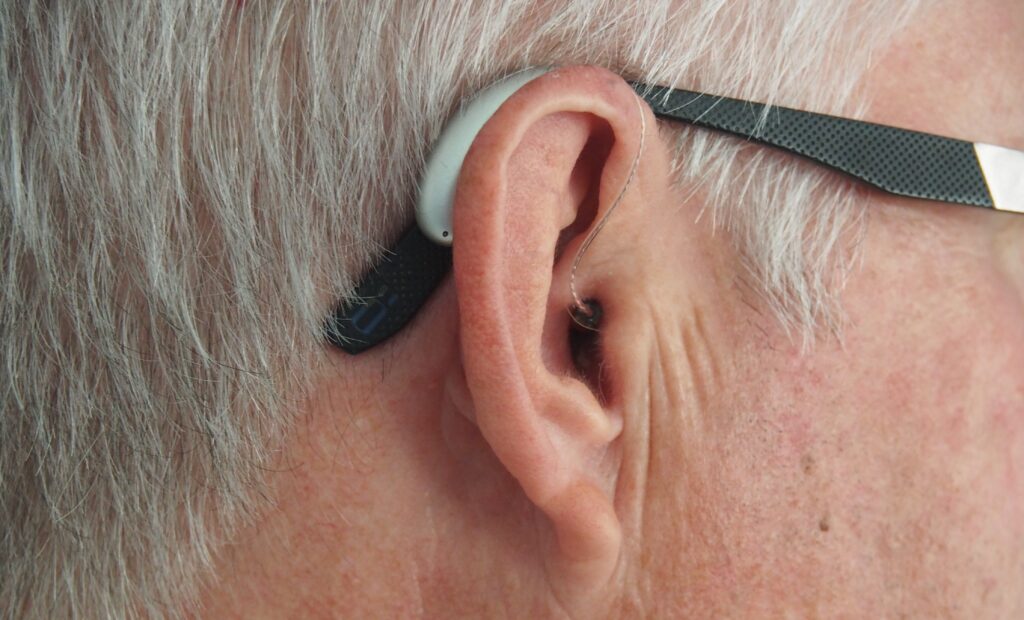
In “Understanding Hearing Loss: A Guide for Detection and Prevention,” we explore the expertise and insights of a hearing aid practitioner who has dedicated themselves to providing valuable information for individuals with hearing impairments. This comprehensive guide aims to address common questions and concerns surrounding hearing loss, offering practical tips on both detecting and preventing it. With a focus on promoting awareness and offering guidance, this informative resource aims to empower those in need by equipping them with the knowledge necessary to seek appropriate help and support. Whether you’re personally affected by hearing loss or seeking information for a loved one, this guide is a valuable tool in navigating the complex world of hearing health.
Understanding Hearing Loss: A Guide for Detection and Prevention
Hearing loss is a common condition that affects millions of people around the world. It can have a significant impact on our daily lives, making it difficult to communicate and engage with others. In this comprehensive guide, we will walk you through the different aspects of hearing loss, including its common causes, types, signs and symptoms, detection and diagnosis, importance of early detection, diagnostic tests, treatment options, choosing the right hearing aid, preventing hearing loss, and promoting hearing health in children. Whether you have concerns about your own hearing or are looking to support a loved one, this guide aims to provide you with the information you need to better understand hearing loss.
Common Causes of Hearing Loss
There are various factors that can contribute to hearing loss. Some of the most common causes include aging, exposure to loud noise, medication side effects, genetic factors, infections, and certain medical conditions. As we age, our hearing naturally declines, and this is known as age-related hearing loss or presbycusis. Prolonged exposure to loud noise, whether it is due to occupational reasons or recreational activities, can cause noise-induced hearing loss. It is important to be aware of these causes as prevention and early detection are key in preserving our hearing health.
Types of Hearing Loss
Hearing loss can be classified into three main types: conductive hearing loss, sensorineural hearing loss, and mixed hearing loss.
Conductive hearing loss occurs when there is a problem in the outer or middle ear that prevents sound from reaching the inner ear. This type of hearing loss is often caused by conditions such as ear infections, earwax buildup, perforated eardrums, or abnormalities in the ear structure.
Sensorineural hearing loss, on the other hand, is due to damage or dysfunction in the inner ear or auditory nerve. It is the most common type of hearing loss and can be caused by factors such as aging, exposure to loud noise, genetics, illnesses, or certain medications.
Mixed hearing loss is a combination of both conductive and sensorineural hearing loss. It involves problems in both the outer or middle ear and the inner ear or auditory nerve. Understanding the different types of hearing loss can help us better understand our own hearing abilities and seek the appropriate treatment and support.

Signs and Symptoms of Hearing Loss
Recognizing the signs and symptoms of hearing loss is crucial in identifying the condition early on. Some common signs include difficulty understanding speech, frequently asking others to repeat themselves, turning up the volume of the television or radio, withdrawal from conversations or social settings, and straining to hear in noisy environments. Additionally, ringing or buzzing sounds in the ears, known as tinnitus, can also be a symptom of hearing loss. If you or someone you know is experiencing any of these signs, it is important to consult with a healthcare professional for further evaluation and guidance.
Detection and Diagnosis of Hearing Loss
The first step in detecting hearing loss is through a comprehensive hearing evaluation conducted by a qualified audiologist. During this evaluation, various tests will be performed to assess your hearing abilities. These tests may include pure-tone audiometry, speech audiometry, middle ear testing, and otoacoustic emissions. Pure-tone audiometry measures the softest sounds you can hear at different frequencies, while speech audiometry assesses your ability to understand speech. Middle ear testing evaluates the function of the middle ear, and otoacoustic emissions measure the response of the inner ear to sound. Through these tests, the audiologist can determine the type and severity of your hearing loss and provide recommendations for further treatment or intervention.

Importance of Early Detection
Early detection of hearing loss is crucial in order to minimize its impact on our lives. When hearing loss goes undiagnosed and untreated, it can lead to social isolation, depression, cognitive decline, and a lower quality of life. By detecting hearing loss early, we can take proactive steps to address the condition and prevent further deterioration. Regular hearing screenings are recommended, especially as we age or if we have known risk factors for hearing loss. It is important to prioritize our hearing health and seek professional assistance if we suspect any changes in our hearing abilities.
Diagnostic Tests for Hearing Loss
There are several diagnostic tests available to determine the type and severity of hearing loss. These tests go beyond the initial screening and provide more detailed information about our hearing abilities. Some commonly used diagnostic tests include tympanometry, auditory brainstem response (ABR), and electrocochleography (ECochG). Tympanometry measures the movement of the eardrum in response to changes in air pressure. ABR evaluates the electrical activity in the auditory nerve and brainstem in response to sound. ECochG measures the electrical potentials generated by the cochlea in response to sound. These tests help clinicians gain a deeper understanding of our hearing abilities and guide them in developing appropriate treatment plans.

Treatment Options for Hearing Loss
The treatment options for hearing loss vary depending on the type and severity of the condition. In some cases, medical intervention may be necessary, such as removing earwax blockages or treating ear infections. However, the most common treatment option for sensorineural hearing loss is the use of hearing aids. Hearing aids are sophisticated devices that amplify sounds and improve our ability to hear and understand speech. They come in a variety of styles and features, allowing individuals to choose the option that best suits their needs and preferences. Other treatment options may include cochlear implants for more severe cases of hearing loss or assistive listening devices to enhance communication in specific situations.
Choosing the Right Hearing Aid
Choosing the right hearing aid is a personal decision that should be made in consultation with an audiologist or hearing care professional. Factors to consider when selecting a hearing aid include the degree of hearing loss, lifestyle and communication needs, budget, and cosmetic preferences. Hearing aids come in various styles, including behind-the-ear (BTE), in-the-ear (ITE), and in-the-canal (ITC), among others. The audiologist will perform a hearing evaluation and provide recommendations based on your specific needs. It is important to keep in mind that hearing aids are not a one-size-fits-all solution, and individual preferences and experiences play a significant role in determining the best fit for each person.
Preventing Hearing Loss
While some causes of hearing loss, such as aging and genetic factors, cannot be prevented, there are steps we can take to protect our hearing in various situations. One common cause of preventable hearing loss is exposure to loud noise. Whether it is at work, during hobbies, or at music concerts, wearing hearing protection such as earplugs or earmuffs can help reduce the risk of noise-induced hearing loss. It is also important to set volume limits when using headphones or listening to music in order to minimize damage to our ears. Regular hearing screenings and taking breaks from noisy environments can also contribute to preventing hearing loss and preserving our hearing health.
Promoting Hearing Health in Children
Hearing health is crucial for children’s development, as it affects their speech, language, and overall cognitive abilities. Regular hearing screenings should be conducted during infancy and childhood to detect any signs of hearing loss early on. Additionally, parents and caregivers can promote hearing health by providing a safe and quiet environment for infants and young children, avoiding exposure to loud noises, and promptly addressing any ear infections or related issues. Educating ourselves and our children about the importance of hearing protection and safe listening practices can also help instill good habits and prevent hearing loss in the future.
In conclusion, understanding hearing loss is key to its detection, prevention, and treatment. By knowing the common causes, types, signs, and symptoms of hearing loss, as well as the importance of early detection, diagnostic tests, treatment options, choosing the right hearing aid, preventing hearing loss, and promoting hearing health in children, we can take proactive steps towards maintaining our hearing abilities and ensuring a better quality of life. Hearing loss is a manageable condition, and with the right support and interventions, we can continue to actively engage in the world around us.