

Are you struggling with hearing loss and looking for ways to improve it? In this article, we will discuss various methods and strategies that can help enhance your hearing abilities. Whether it’s through the use of hearing aids, assistive listening devices, or simple lifestyle changes, we will explore the options available to you. By the end of this article, you will have a better understanding of what you can do to improve your hearing loss and enhance your overall quality of life.
Ways to Improve Hearing Loss
Are you experiencing difficulty in hearing? Do you find it challenging to communicate with others or feel socially isolated due to your hearing impairment? If so, you are not alone. Hearing loss is a common condition that affects millions of people worldwide. Fortunately, there are several ways to improve hearing loss and enhance your overall quality of life and well-being. In this article, we will explore the causes and effects of hearing loss, the importance of maintaining good hearing, signs and symptoms to look out for, diagnosis methods, treatment options, lifestyle changes that can help, and support resources available for individuals with hearing impairments.
Causes of Hearing Loss
There are various causes of hearing loss that can range from age-related factors to genetic predispositions and illnesses. Understanding the underlying causes of hearing loss is essential in finding the most suitable approach to address and improve this condition. The following are some common causes of hearing loss:
Age-related hearing loss
As we age, it is natural for our hearing abilities to decline. Age-related hearing loss, also known as presbycusis, is a gradual and irreversible condition that affects many older adults. The sensory cells in the inner ear become less effective in transmitting sound signals to the brain, leading to difficulties in hearing and understanding speech.
Noise-induced hearing loss
Exposure to loud and prolonged sounds can damage the delicate structures within the ear, leading to noise-induced hearing loss. This type of hearing loss can occur from occupational exposure to loud machinery or equipment, recreational activities such as listening to loud music without proper protection, or even from a single traumatic noise event.
Genetic factors
Some individuals may be genetically predisposed to hearing loss. Certain genetic mutations can affect the development and function of the inner ear, leading to hearing impairment from birth or early childhood.
Illness or infection
Certain illnesses or infections can also contribute to hearing loss. Chronic ear infections, otosclerosis (abnormal bone growth in the middle ear), and autoimmune disorders are examples of conditions that can affect the structures of the ear and lead to hearing loss.
Effects of Hearing Loss
Hearing loss can have a significant impact on an individual’s life, affecting communication, social interactions, emotional well-being, and cognitive function. Understanding the effects of hearing loss can help individuals recognize the importance of improving their hearing. The following are some common effects of hearing loss:
Communication difficulties
Hearing loss can make it challenging to understand speech, especially in noisy environments. It may lead to misunderstandings, frequent asking for repetition, and frustration for both the person with hearing loss and those trying to communicate with them.
Social isolation
Due to communication difficulties, many individuals with hearing loss may begin to withdraw from social activities. This can lead to feelings of loneliness, isolation, and a decreased quality of life.
Emotional impact
Hearing loss can have emotional consequences, such as increased stress, anxiety, and even depression. Struggling to hear and participate in conversations can be emotionally exhausting and may lead to feelings of inadequacy or frustration.
Decreased cognitive function
Studies have shown a link between hearing loss and cognitive decline. The brain relies on auditory input to process information, and when hearing is impaired, it can put additional strain on cognitive resources. This can lead to difficulties in memory, attention, and overall cognitive function.
Importance of Hearing
Maintaining good hearing is crucial for overall well-being and a high quality of life. Hearing plays a vital role in our daily interactions, allowing us to communicate effectively, enjoy music and other sounds, and stay connected to our surroundings. The following are some reasons why hearing is important:
Enhances quality of life
Good hearing is essential for fully experiencing and enjoying life. Hearing enables us to engage in conversations, listen to music, appreciate nature sounds, and participate in various activities that bring us joy and fulfillment.
Maintains social connections
Clear communication is the foundation of healthy relationships. Being able to hear and understand others helps maintain meaningful connections with family, friends, and colleagues. It allows us to fully engage in conversations, share experiences, and express ourselves.
Improves overall well-being
Hearing loss can negatively impact mental health and overall well-being. By improving hearing, individuals can reduce feelings of isolation, boost self-confidence, and enhance their overall emotional and psychological state.
Signs and Symptoms of Hearing Loss
Signs and symptoms of hearing loss may vary depending on the cause and severity of the condition. It is important to be aware of these indicators as early detection can lead to timely intervention. The following are some common signs and symptoms of hearing loss:
Difficulty understanding speech
If you find it challenging to understand speech, especially in situations with background noise, it may be a sign of hearing loss. You might frequently ask others to repeat themselves or misunderstand what is being said.
Frequent asking for repetition
You may find yourself frequently asking others to repeat what they have said. This can occur in both quiet and noisy environments, indicating possible hearing loss.
Struggling in noisy environments
Difficulty following conversations in noisy environments, such as restaurants or crowded spaces, can be an indication of hearing loss. Background noise can make it harder to distinguish speech and focus on desired sounds.
Ringing or buzzing in the ears
Experiencing a persistent ringing, buzzing, or hissing sound in your ears, known as tinnitus, is another common symptom associated with hearing loss. If you frequently experience this sensation, it is advisable to seek professional evaluation.

Diagnosis of Hearing Loss
If you suspect you have hearing loss, it is essential to seek a professional diagnosis from an audiologist or hearing healthcare specialist. They will perform a series of tests and assessments to evaluate the extent and type of hearing loss. The following are the common methods used for diagnosing hearing loss:
Audiometry tests
Audiometry tests measure your ability to hear sounds of various frequencies and volumes. The results are plotted on an audiogram, which helps determine the type and degree of hearing loss.
Physical examination
A physical examination of the ear may be conducted to detect any visible abnormalities or signs of infection, injury, or blockage.
Medical history review
Your medical history, including any previous ear-related conditions, medications, or exposure to loud noises, will be reviewed to identify potential causes or contributing factors to your hearing loss.
Consultation with an audiologist
An audiologist will discuss your symptoms, concerns, and test results with you. They will provide expert guidance and recommendations for appropriate treatment options based on your individual needs and preferences.
Treatment Options for Hearing Loss
While some types of hearing loss may be irreversible, there are several treatment options available to help individuals with hearing loss improve their ability to hear and communicate effectively. The following are common treatment options:
Hearing aids
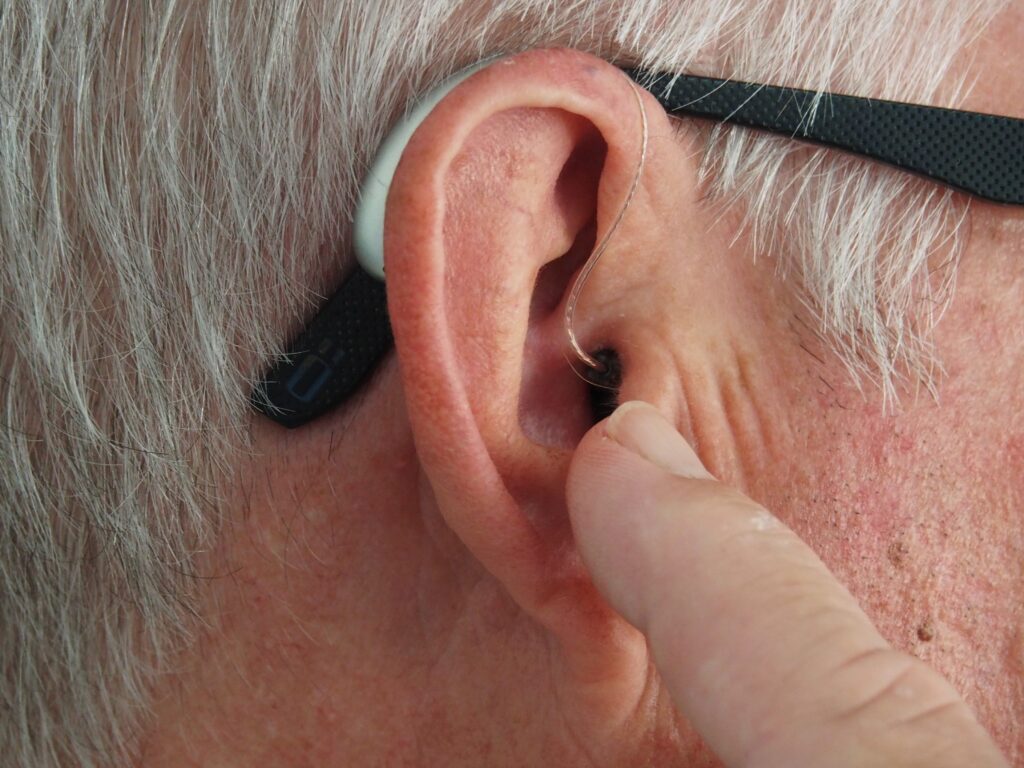
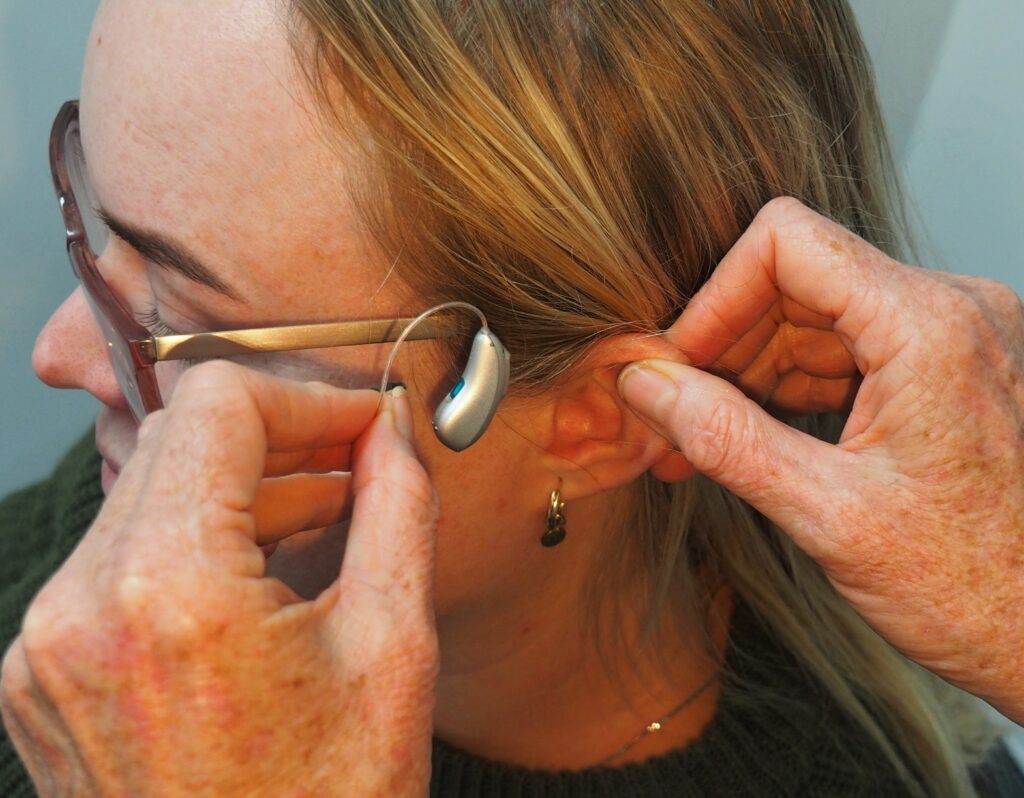
Hearing aids are devices worn in or behind the ear that amplify sound, making it easier for individuals with hearing loss to hear and understand speech and other sounds. They come in various styles and can be customized to suit individual hearing needs.
Cochlear implants
Cochlear implants are electronic devices surgically implanted into the ear. They bypass the damaged parts of the inner ear and directly stimulate the auditory nerve, allowing individuals with severe to profound hearing loss to perceive sound.
Assistive listening devices
Assistive listening devices can enhance hearing in specific situations. Examples include TV listening systems, personal amplifiers, and telephone amplifiers. These devices transmit sound directly into the ear, reducing background noise and improving speech understanding.
Communication strategies
Learning effective communication strategies can also help individuals with hearing loss. This includes techniques such as facing the person you are speaking to, asking for repetition or clarification when needed, and using visual cues to supplement oral communication.
Lifestyle Changes to Improve Hearing Loss
In addition to treatment options, certain lifestyle changes can help improve hearing loss and promote overall ear health. Incorporating the following habits into your daily life can have a positive impact on your hearing:
Avoiding loud noises
Exposure to loud noises can contribute to hearing loss. Limiting your exposure to loud environments, using hearing protection (such as earplugs or earmuffs) when necessary, and keeping the volume at a comfortable level when listening to music or using headphones can help protect your hearing.
Quitting smoking
Smoking has been linked to several health conditions, including hearing loss. Quitting smoking not only benefits your overall health but can also have a positive impact on your hearing abilities.
Managing stress levels
Stress can have adverse effects on various aspects of health, including hearing. Finding healthy ways to manage stress, such as regular exercise, meditation, or engaging in hobbies, can positively influence overall well-being, including hearing health.
Maintaining a healthy diet
A balanced diet rich in nutrients, vitamins, and antioxidants supports overall health, including ear health. Including foods like fruits, vegetables, whole grains, and omega-3 fatty acids can promote good circulation and reduce the risk of developing hearing loss.
Exercises and Activities to Enhance Hearing
In addition to lifestyle changes, certain exercises and activities can help enhance hearing abilities and auditory processing. Incorporating the following practices into your routine can help improve your overall hearing experience:
Listening to music
Listening to music can help stimulate the auditory system and improve listening skills. Paying attention to different instruments, melody, and lyrics can enhance your ability to catch nuances in sound.
Meditation and relaxation techniques
Practicing meditation and relaxation techniques can help reduce stress and improve overall well-being, including hearing health. These practices can contribute to improved focus and concentration, which are essential for effective listening.
Auditory training exercises
Auditory training exercises involve activities designed to improve listening and speech comprehension skills. These exercises can range from simple online games and apps to more structured programs facilitated by audiologists or hearing healthcare professionals.
Yoga and breathing exercises
Yoga and breathing exercises can help improve blood circulation and oxygen flow, which are important for the health of the auditory system. Engaging in yoga and breathing exercises regularly can promote overall ear health.
Support and Resources for Hearing Impaired Individuals
Living with hearing loss can be challenging, but there are numerous support resources available to help individuals with hearing impairments. Connect with others who share similar experiences, find guidance, and access communication assistance through the following avenues:
Hearing loss support groups
Joining a support group specific to hearing loss can provide a sense of community and a platform to share experiences and challenges. It can also offer practical advice on coping strategies, techniques, and available resources.
Online forums and communities
The internet has opened up possibilities for connecting with others globally. Online forums and communities dedicated to hearing loss provide a virtual space for individuals to ask questions, seek advice, and connect with others facing similar challenges.
Accessibility services
Many organizations and institutions offer accessibility services for individuals with hearing impairments. These services may include sign language interpreters, captioning, or assistive listening devices. Be sure to inquire about available options in your community or workplace.
Communication assistance programs
There are various programs and services that provide communication assistance for individuals with hearing impairments. These may include free or subsidized hearing aids, text telephone (TTY) services, or resources for learning sign language.
Conclusion
Taking steps to improve hearing loss can greatly enhance your overall quality of life and well-being. By understanding the causes and effects of hearing loss, recognizing the signs and symptoms, and seeking professional diagnosis and treatment, you can reclaim your ability to hear and communicate effectively. Incorporating lifestyle changes, engaging in auditory exercises, and accessing support resources can further support your journey towards better hearing health. Remember, you are not alone, and there are numerous options available to help you improve your hearing and live life to the fullest.